
Heat Pump Repair in Colorado
Homes in Colorado are newer than in 40 of the other 49 states.
Tell us about the job
Takes about a minute. No obligation.
- 17°Fwinter overnight low where people live
- 9 monthsof heat, September through May
- 83°Fsummer afternoon high where people live
- 1 monthof cooling, in July
Nothing here wears out a heat pump faster Most calls trace back to an ordinary fix
- Heat needed most in Lake County, least in Baca County
- Winter nights average 17°F where people live
- Summer afternoons average 83°F where people live
- Heat runs September through May
- Cooling runs in July
- 2,634 winter storms from 2015 to 2024


Half of Colorado's homes were built in 1988 or later

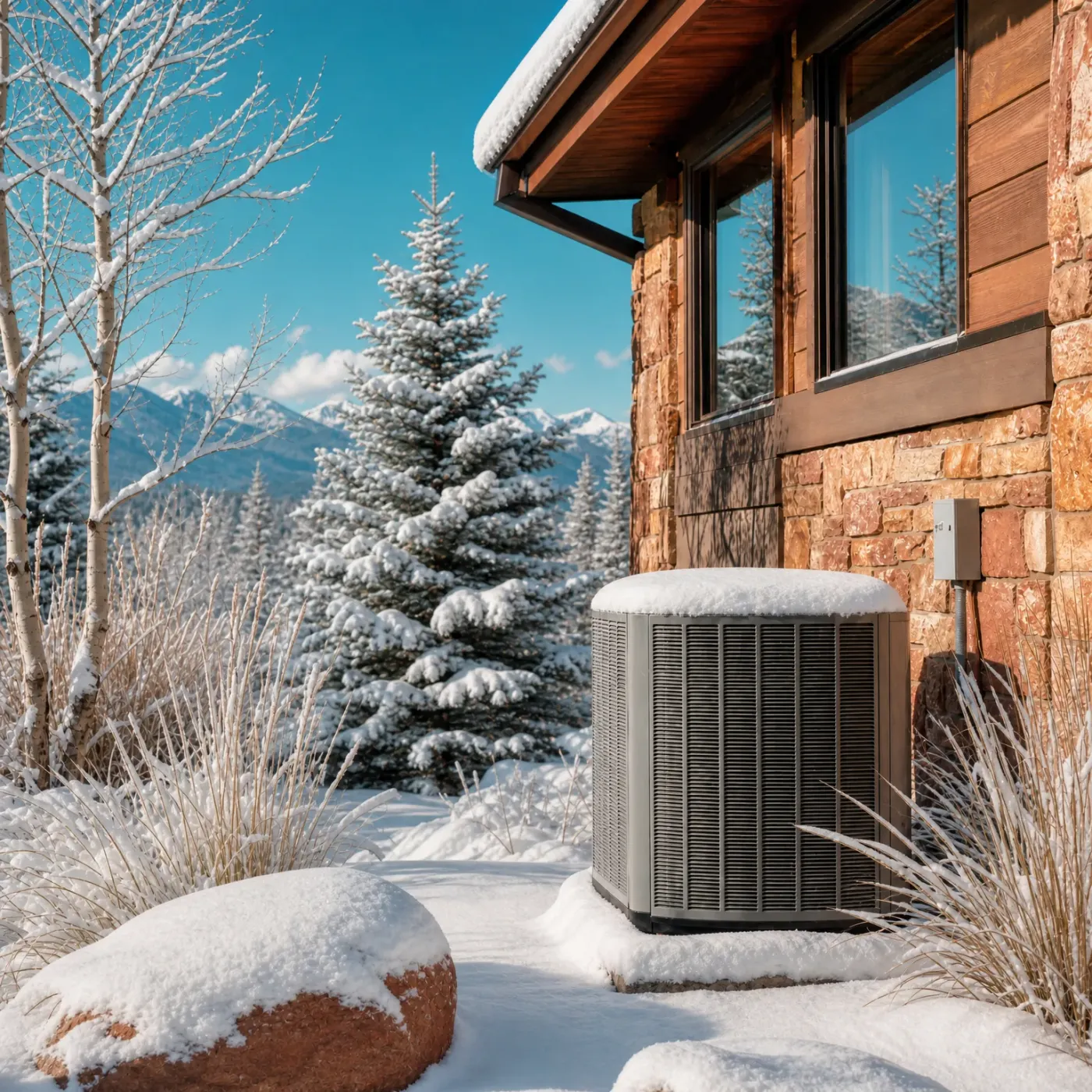
Heat here runs September through May, nine months of the year, more than in most of the country. July is the only month cooling runs at all. That split matters for a heat pump, since it carries the heating load almost all year and only switches over for a few weeks in summer. A unit that struggles will usually show it first in September, when it switches back to heating and has to work right away in cooler mornings.
If your heat pump is short cycling, blowing cool air when it should be warm, or not keeping up once the weather turns in September, that points to something specific. A failing defrost control, a low refrigerant charge, or a reversing valve stuck in one position are common causes. None of these get better by waiting. The sooner a contractor looks at it, the less likely a small problem turns into a bigger repair once the system is leaning on it every day.
What a cold night asks of the system
Colorado's winter nights average 17°F, colder than most of the country sees. A heat pump still pulls heat from air that cold, but it runs longer to do it, and defrost cycles kick in more often. That's ordinary operation, not strain. Where it shows a real problem is when the unit runs constantly on a night like that and still can't keep the house at temperature. That usually traces back to one part, a defrost control that's not cycling right or a charge that's low, not the cold itself. A contractor can tell which in one visit.
1 month of cooling, in July
9 months of heat, September through May
What does a heat pump in Colorado face?
How hot do summer afternoons get?
83°Faverage afternoon high where people live
Alaska66°F
Arizona101°F
How cold do winter nights get?
17°Faverage overnight low where people live
North Dakota4°F
Hawaii65°F
How many months does the heat run?
9 monthsof heating a year
Hawaii0 months
Alaska12 months
What does electricity cost?
14.92¢per kWh (kilowatt hours, the unit on an electric bill), what homes paid in 2024
North Dakota11.51¢
Hawaii42.86¢
How often do storms hit?
455severe weather events per county from 2015 to 2024
Alaska5
Wyoming1,057
How many homes lost power for a day or more?
13%of homes in 2024
Arizona7%
Maine54%
A unit running wrong still runs, and still costs
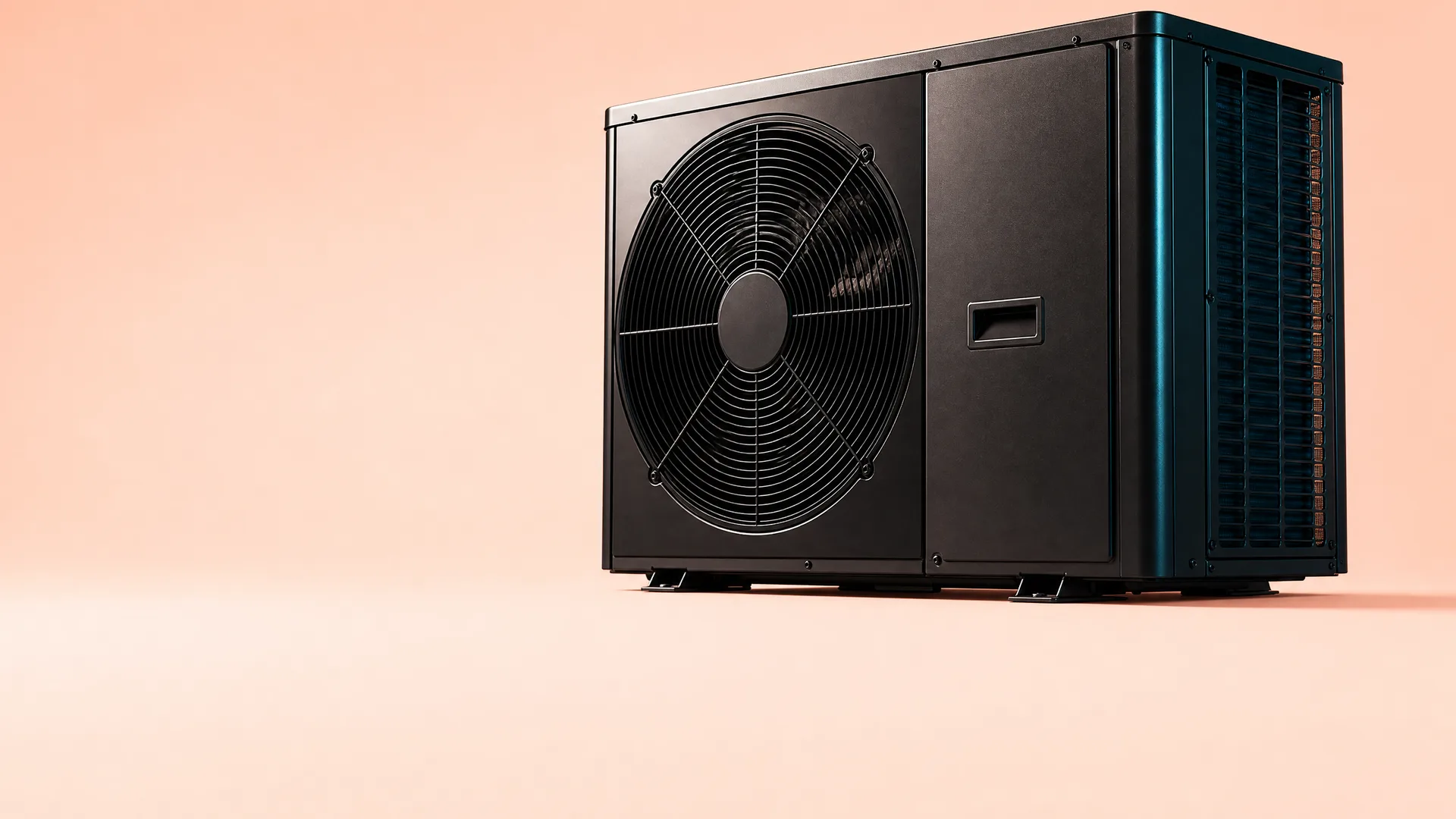
A heat pump running on a bad part still runs, it just works harder to get there. Electricity here costs 14.92 cents per kilowatt-hour, more than in 26 other states. A stuck reversing valve or a weak defrost control doesn't shut the system down or trip a breaker. It just makes the unit run longer to put out the same heat, and that shows up on the power bill before it ever shows up as a breakdown.
What actually fails
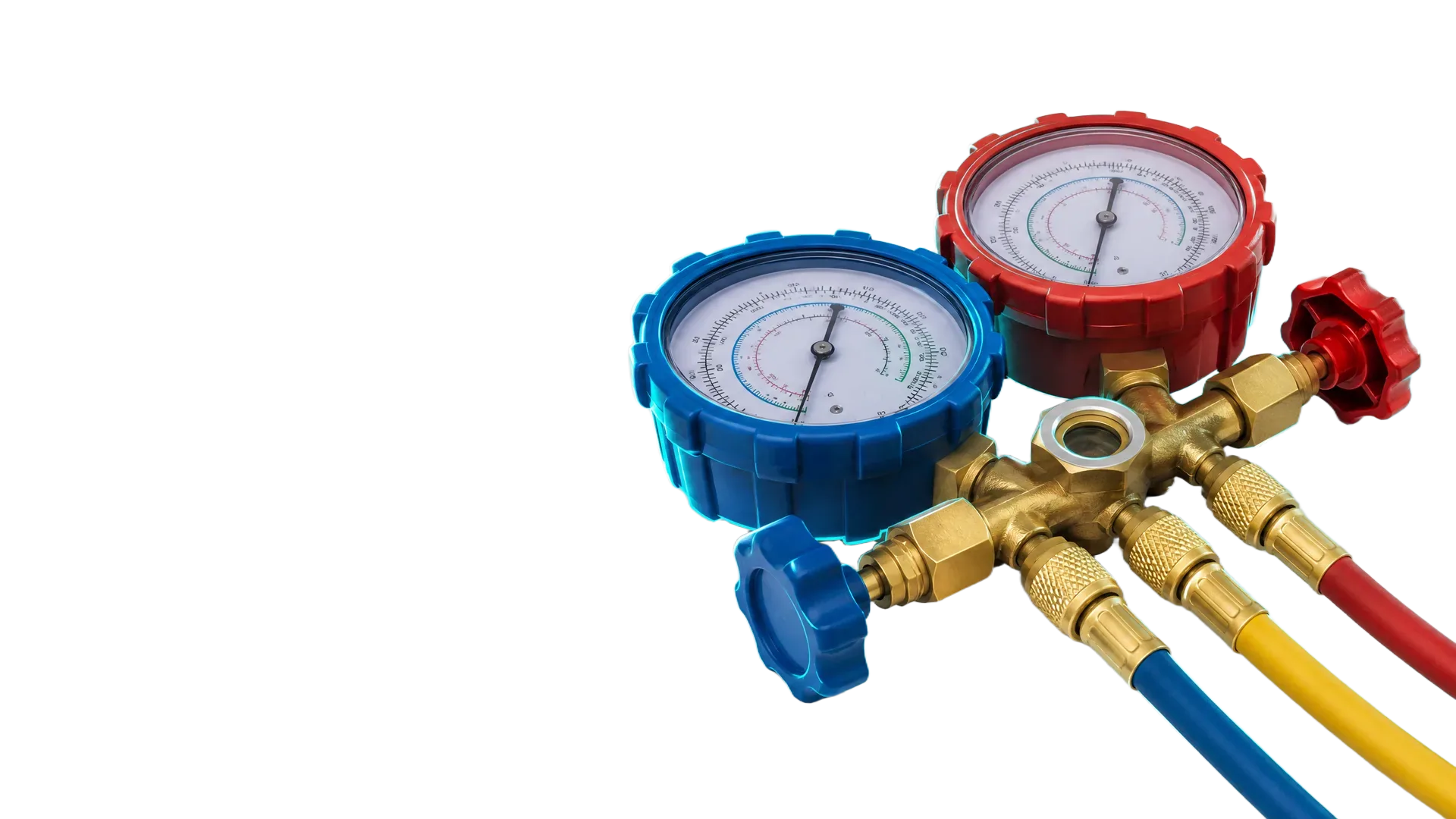
A reversing valve is usually what's behind a heat pump stuck in one mode. It's the part that switches the system between heating and cooling, and when the coil inside it wears or the valve body sticks, the unit gets stuck on one side. Sometimes it won't switch at all. Sometimes it switches and slips partway back. The defrost control fails in a different way. It's supposed to sense when frost builds up on the outdoor coil and run a brief defrost cycle to clear it, then switch back. When the sensor or the control board goes bad, the system either skips defrost and ices over, or runs defrost too often and can't keep up with the heating load. A dirty or worn contactor is another common failure point, since it's what switches power to the compressor, and a pitted contactor can cause the unit to short cycle or fail to start at all. Low refrigerant charge, usually from a slow leak at a fitting or coil, shows up as reduced heat output and ice forming where it shouldn't. None of these parts fail because the unit is old for its own sake. They fail because they're the parts doing the most work, switching, sensing, starting, every single cycle.
What the weather does to the unit outside
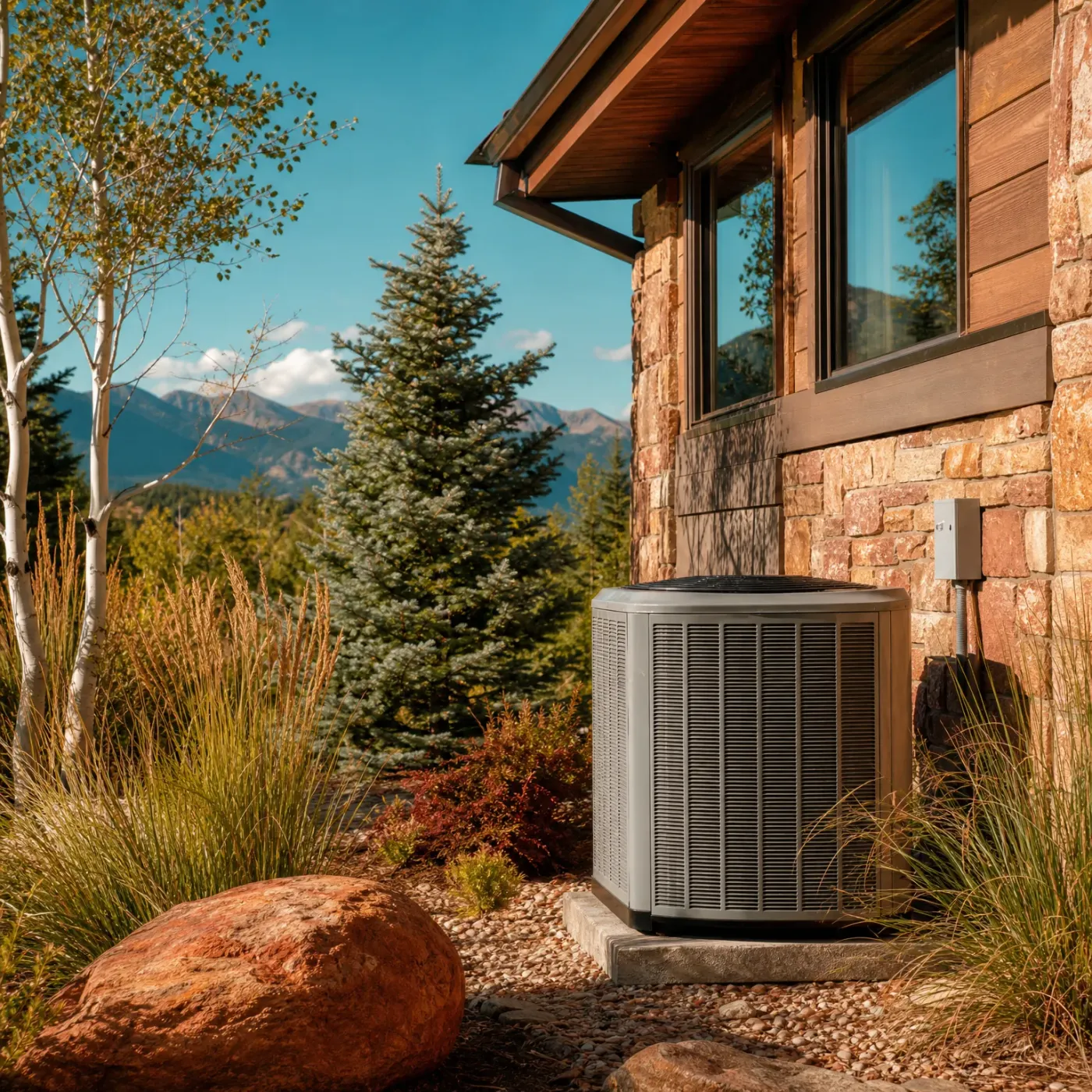
Colorado sees more severe weather than nearly every other state, and El Paso County carries the heaviest storm record in it. Hail is part of that picture, with 4,421 events recorded here between 2015 and 2024. An outdoor heat pump unit sits outside year round, and hail or wind-blown debris can bend the fins on its coil or crack the fan blade without stopping it from running. A unit that takes a hit like that doesn't always quit right away. It can keep running while losing efficiency, or develop a refrigerant leak at a dented coil months later. Power cuts matter too. A heat pump that doesn't restart cleanly after an outage is worth a check rather than a guess.
Hail and wind hit Colorado hard, and a heat pump can take damage without quitting right away.
Tell us about the job
Takes about a minute. No obligation.
Fill out the form and a licensed Colorado contractor will reach out to look at your heat pump.