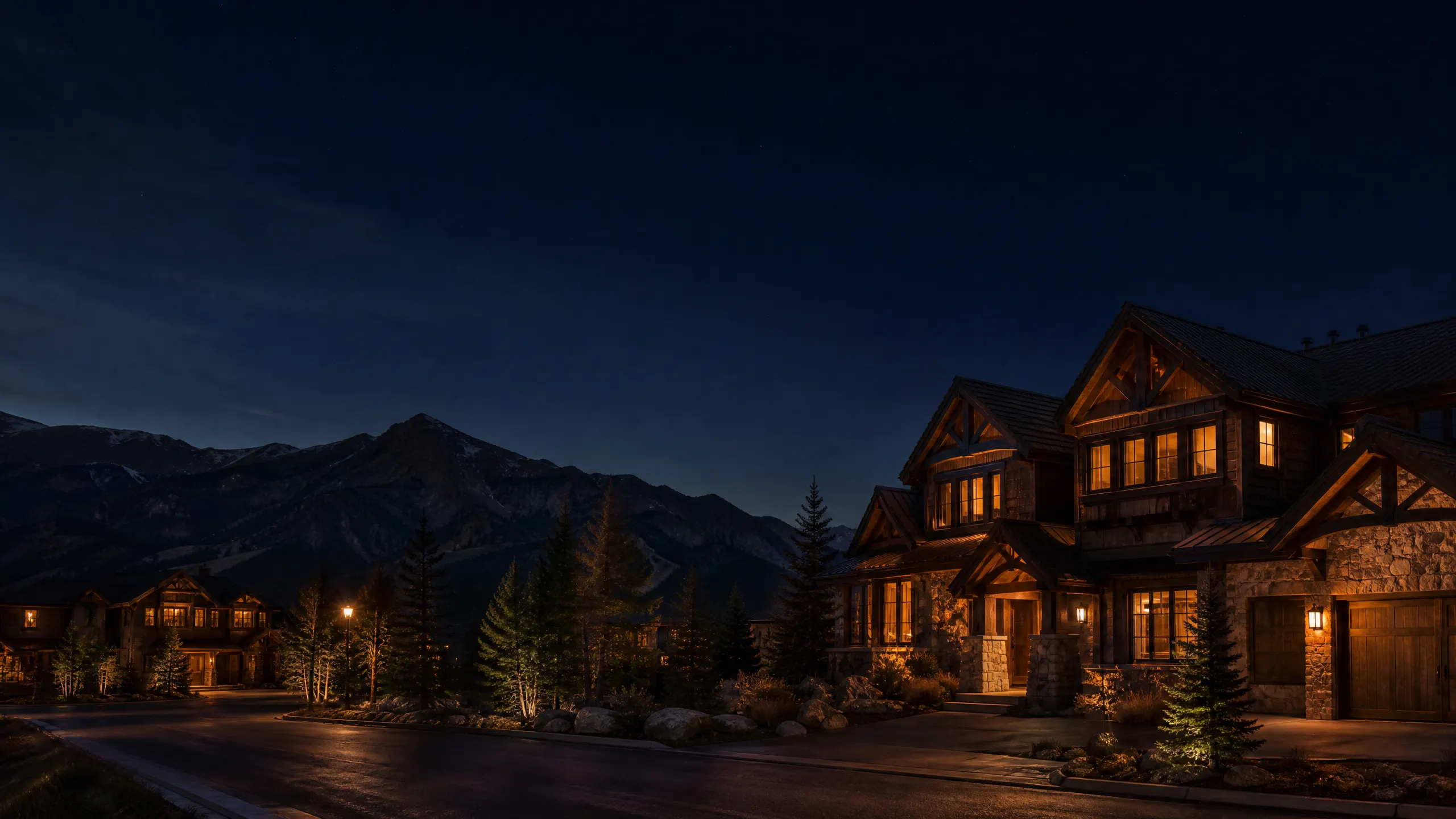







A multi-story timber-frame and stone house glows with warm interior and exterior lighting on a dark residential street, with mountain peaks and pine trees visible in the background.

Heat Pump Repair in Cortez, CO

Tell us about the job

Takes about a minute. No obligation.

RepairHeat PumpMontezuma County, CO
Step 1 of 2

What ZIP code is the job in?

A heat pump in Cortez spends the winter working against cold, not against storm damage. Overnight lows average 19°F through December, January and February, and the system has to run through that steadily, night after night. What it doesn't face much of is the kind of weather that physically damages equipment. Winter storms are the common event here, but hail and damaging wind, the two things that actually dent a cabinet or snap a fan blade, are rare. So a heat pump that's giving you trouble now has probably just gotten old, or something inside it failed, not that it's been beaten down by the elements. That's usually a good reason to fix it rather than replace it.

8 months
October through May, your system heats
2 months
July through August, it cools
19°F
the average winter night it heats against
84°F
the average summer afternoon it cools against
Isometric line illustration of a cutaway house showing interior rooms with furniture, ceiling ductwork connected to an indoor air handler, and a line running outside to an outdoor condenser unit.
Your system heats October through May and cools July through August.

NOAA nClimDiv, 1991–2020 normals

Half the homes in Montezuma County were built in 1986 or later.

A heat pump that came with a newer house still has years of work left in it.

A broken heat pump still costs you something every month it runs this way

Power costs 14.92 cents a kWh statewide
22 damaging wind events from 2015 to 2024
3 hail events from 2015 to 2024
September is when a weak heat pump shows itHeat runs October through May here. The first cold nights are when a bad part finally gives out.

If your heat pump came with the house and the house is newer, that's worth finding out before you decide anything. Check the paperwork, or look for an install date on the unit itself. A system still within its working life is usually a single part failing, not the whole unit giving out, and that points to repair first. The one case worth a second look is a mobile home, since the equipment there doesn't always match the age of the house. Those make up a real share of homes in the county, so it's worth a quick check either way.

Fix the part, not the whole unit

Get a worn part diagnosed before it fails on the first cold night. A heat pump that hasn't been beaten up by weather is usually one failed part away from running fine again, not a system that needs replacing.

Find a contractor
A man in a cap, dark shirt and tan work pants, seen from behind, climbs porch steps toward a red front door while carrying a canvas tool bag filled with screwdrivers.
A gray heat pump outdoor unit mounted on a concrete pad next to the stone-accented exterior wall of a house.

What to check before you call anyone

Start with the thermostat. Make sure it's set to heat and the target temperature is above room temperature. A blank screen usually means dead batteries. Outside, look at the unit for ice or snow built up on the coils. That ice blocks the system from pulling heat out of the air, and clearing it off is safe to do by hand. While you're out there, check that nothing is piled against the unit or blocking airflow around it. Inside, pull the air filter and hold it up to a light. If light doesn't pass through, it needs replacing. A clogged filter chokes airflow the whole system depends on, and it's the most common reason a heat pump struggles. Check that supply and return vents are open and not blocked by furniture. Last, check the breaker panel. A tripped breaker is worth resetting once. If it trips again right away, stop there. That's an electrical problem, not an overload, and it's a job for a tech. None of this means opening the unit or touching the refrigerant lines. If the system still won't heat after these checks, the problem is inside it.

A failing part puts load on the parts around it

When the reversing valve sticks or a capacitor weakens, the compressor has to work harder to make up for it. Run a heat pump in that state for weeks and the compressor takes the damage instead of the part that started the problem. What would have been a simple fix turns into a compressor replacement.
Ice is a sign the system is already struggling

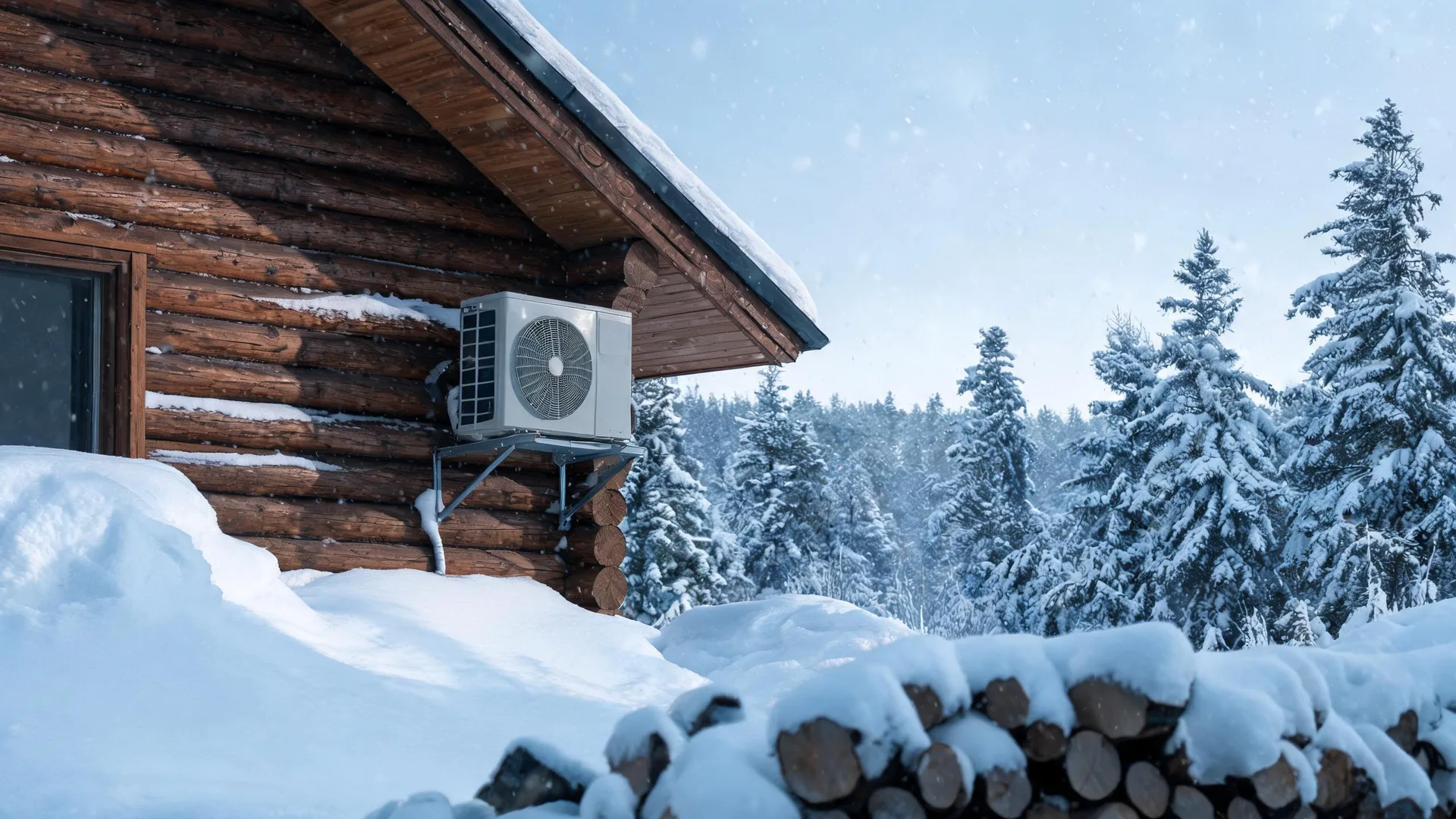
A little frost on the outdoor coil during a defrost cycle is normal. Ice that stays and builds up means the system isn't defrosting the way it should, and it keeps the unit from pulling heat out of the air at all. Left alone, that ice thickens, airflow drops further, and the compressor keeps trying to run against a coil that can't do its job.

Most of the signs show up as something the thermostat can't fix. Warm air stops coming out of the vents, or what comes out is barely above room temperature. The outdoor unit runs constantly, cycling less than it should, like it's straining to keep up. Sometimes it short cycles instead, turning on and off every few minutes without ever settling into a run. A hissing or bubbling sound near the outdoor unit usually points to refrigerant escaping, and that's not something that fixes itself. A grinding or screeching from the unit when it starts up points to a motor bearing going bad. If the system blows cold air on a heat call, or warm air on a cool call, the reversing valve is a likely place to start. None of these get better by waiting.

Once a tech has named the failed part, the decision usually comes down to what else on the unit is original. A heat pump that's needed one repair in its working life is a different case than one that's had a run of them, a capacitor last year and a contactor this year. Each repair on its own is worth doing. A pattern of them is the unit telling you it's running out of parts to fail. The compressor is the other line worth watching. Every other part protects it, and if it's the compressor itself that's gone, that's a cost close to replacing the whole system, not a repair to it. A tech who's seen the unit's history can tell you which case you're in.