
AC Repair in Colorado
Homes in Colorado are newer than in 40 of the other 49 states.
Tell us about the job
Takes about a minute. No obligation.
- 83°Fsummer afternoon high where people live
- 1 monthof cooling, in July
- 14.92¢ per kWhwhat homes paid for power in 2024 (kWh means kilowatt hours, the unit on an electric bill)
- 4,421hail events from 2015 to 2024
Colorado summers barely tax an AC July is the only month it works
- Hottest summers in Bent County, mildest in San Juan County
- Summer afternoons average 83°F where people live
- Cooling runs in July
- 4,421 hail events from 2015 to 2024
- 3,347 damaging wind events from 2015 to 2024
- 13% of homes lost power a day or more in 2024


Colorado storms can damage an AC that still runs fine

Warm air coming out of the vents is the clearest sign something is wrong. It usually means the compressor has quit or the refrigerant charge is low, and neither one fixes itself. If the air is only a little cool instead of properly cold, check the outdoor unit. A fan that isn't spinning or a coil caked with debris will do this too, and both get worse the longer they run.
Listen for anything new. A hard clunk when the system starts, a hiss that wasn't there before, or a grinding sound from the outdoor unit all point to a part wearing out, not dirt or dust. Short cycling, where the AC shuts off a few minutes after starting, is another one worth paying attention to. It strains the compressor every time it happens, and it's usually a sign of a failing capacitor or a thermostat sensor gone bad.
Most AC problems in Colorado show up in July
Colorado's AC gets one month of real work, July, and that's when a weak part finally gets tested. A capacitor that was marginal in June will often give out in the first hot week. Same with a contactor that's been arcing quietly or a fan motor that's been running rough. None of that shows up while the system sits idle. It shows up the first time it has to run hard, which here means July. Getting it looked at before then, in June, catches the part that's already failing before it fails on the one month that matters.
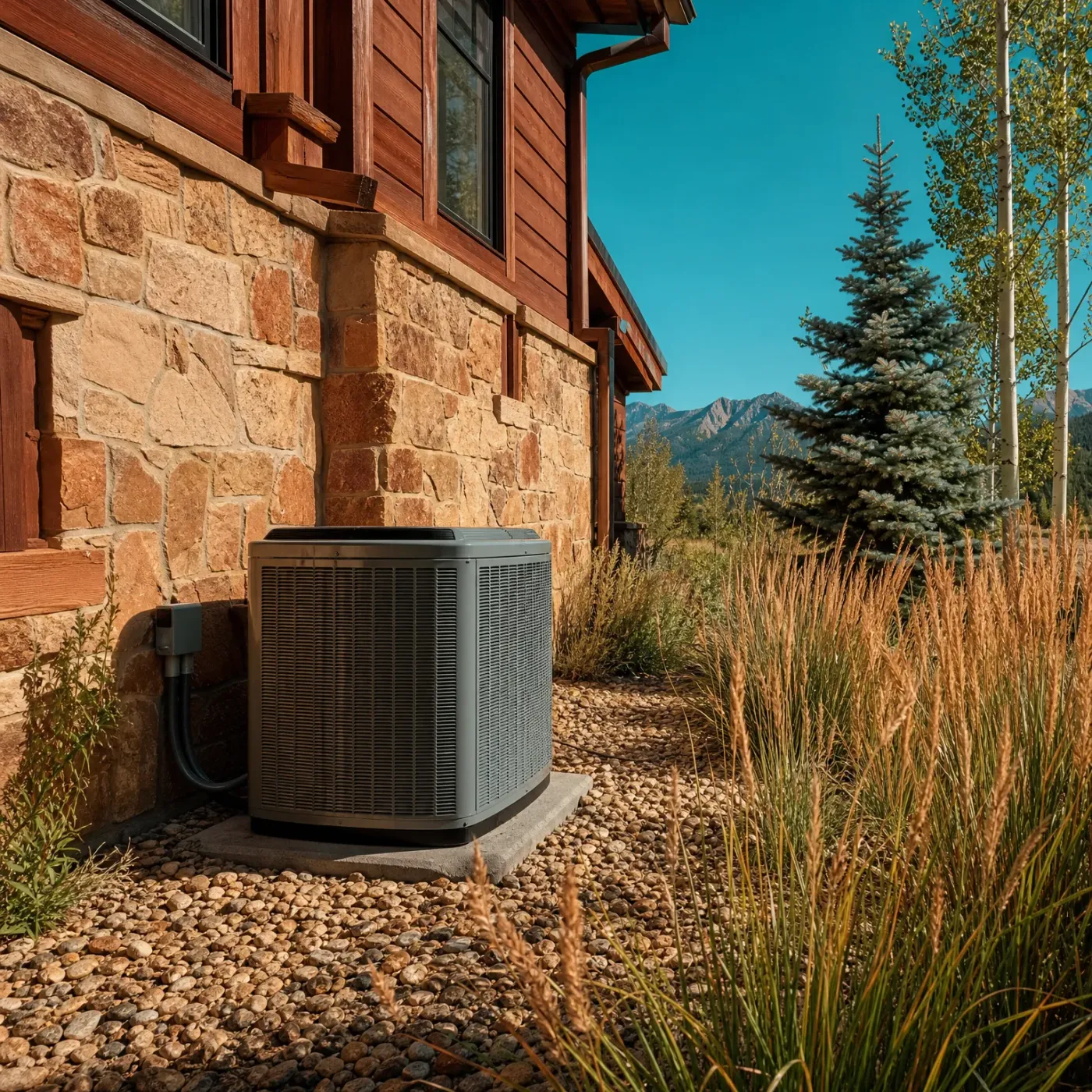
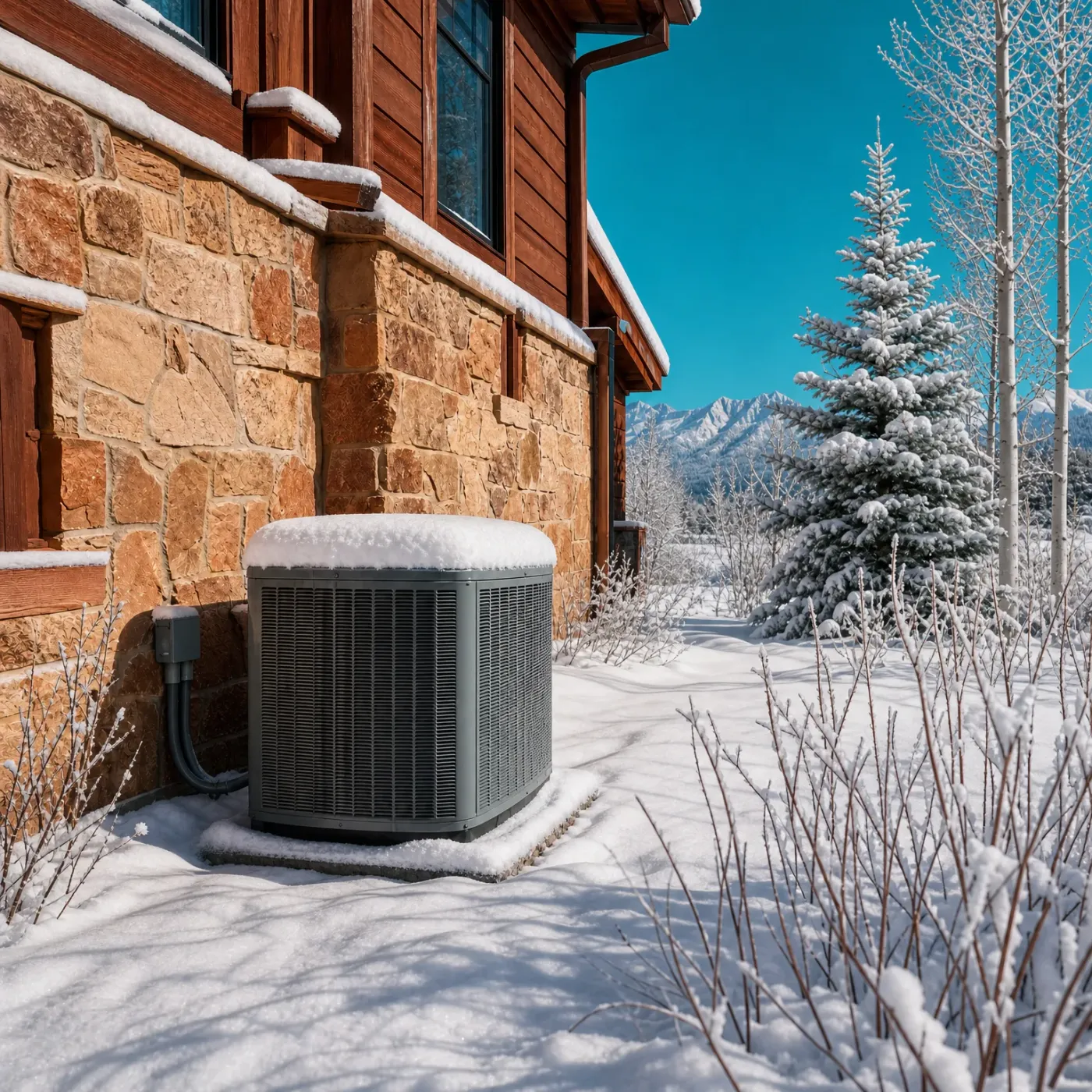
1 month of cooling, in July
9 months of heat, September through May
What does an AC in Colorado face?
How hot do summer afternoons get?
83°Faverage afternoon high where people live
Alaska66°F
Arizona101°F
How many months does the cooling run?
1 monthof cooling a year
Alaska0 months
Hawaii12 months
What does electricity cost?
14.92¢per kWh, what homes paid in 2024
North Dakota11.51¢
Hawaii42.86¢
How often do storms hit?
455severe weather events per county from 2015 to 2024
Alaska5
Wyoming1,057
How many homes lost power for a day or more?
13%of homes in 2024
Arizona7%
Maine54%
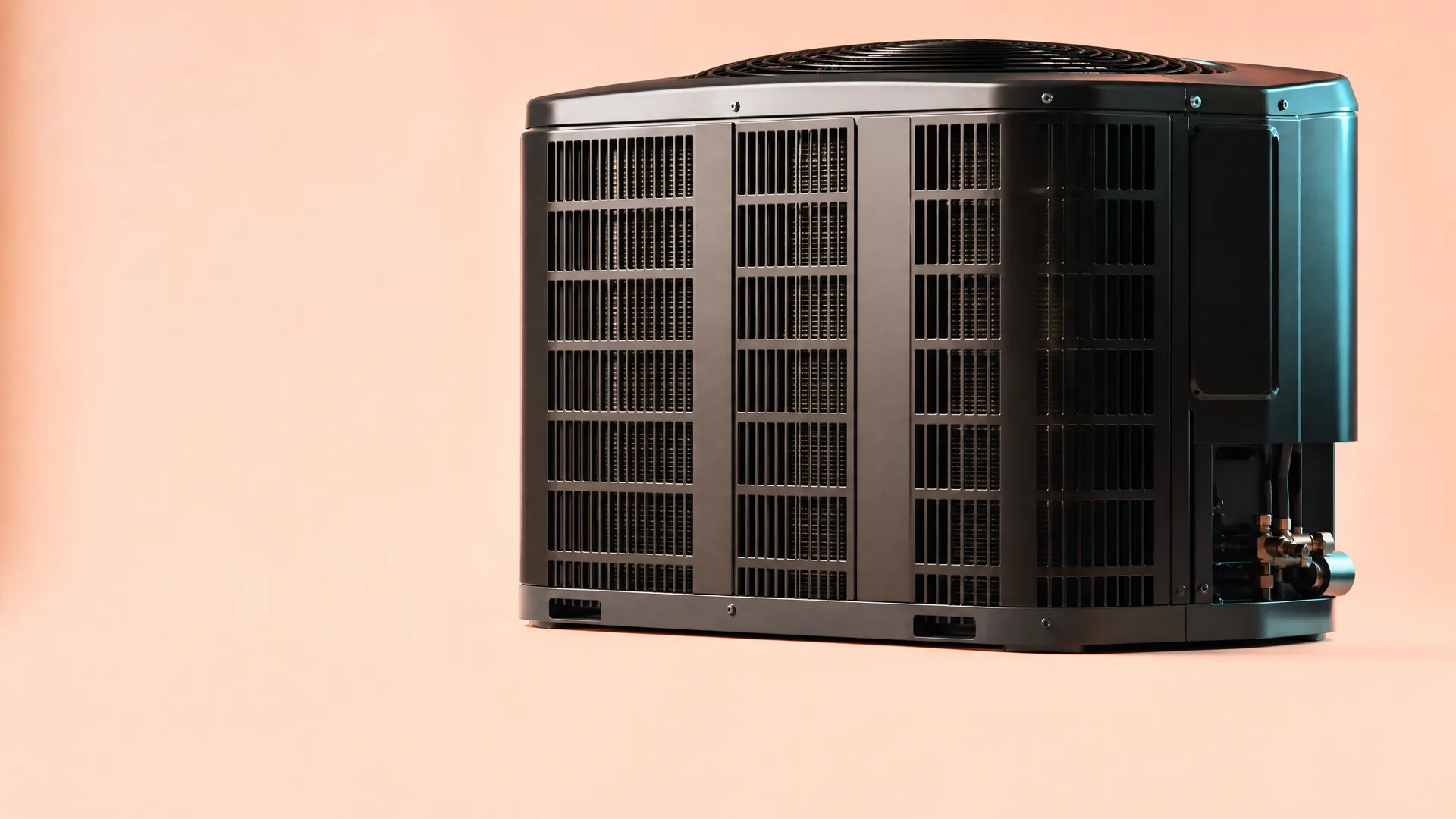
A system that hasn't been tested much, not a system that's worn out
July is the only real test this machine faces, and most of the time it passes. An AC that's run fine for years in Colorado hasn't been pushed hard enough to expose a weak part until that one month arrives. That's different from a unit that's actually failing. A compressor that's quit or a coil iced over isn't a sign the machine is worn out from the climate. It's a sign something specific broke, and in a system that otherwise has an easy year, that's almost always worth fixing rather than replacing.
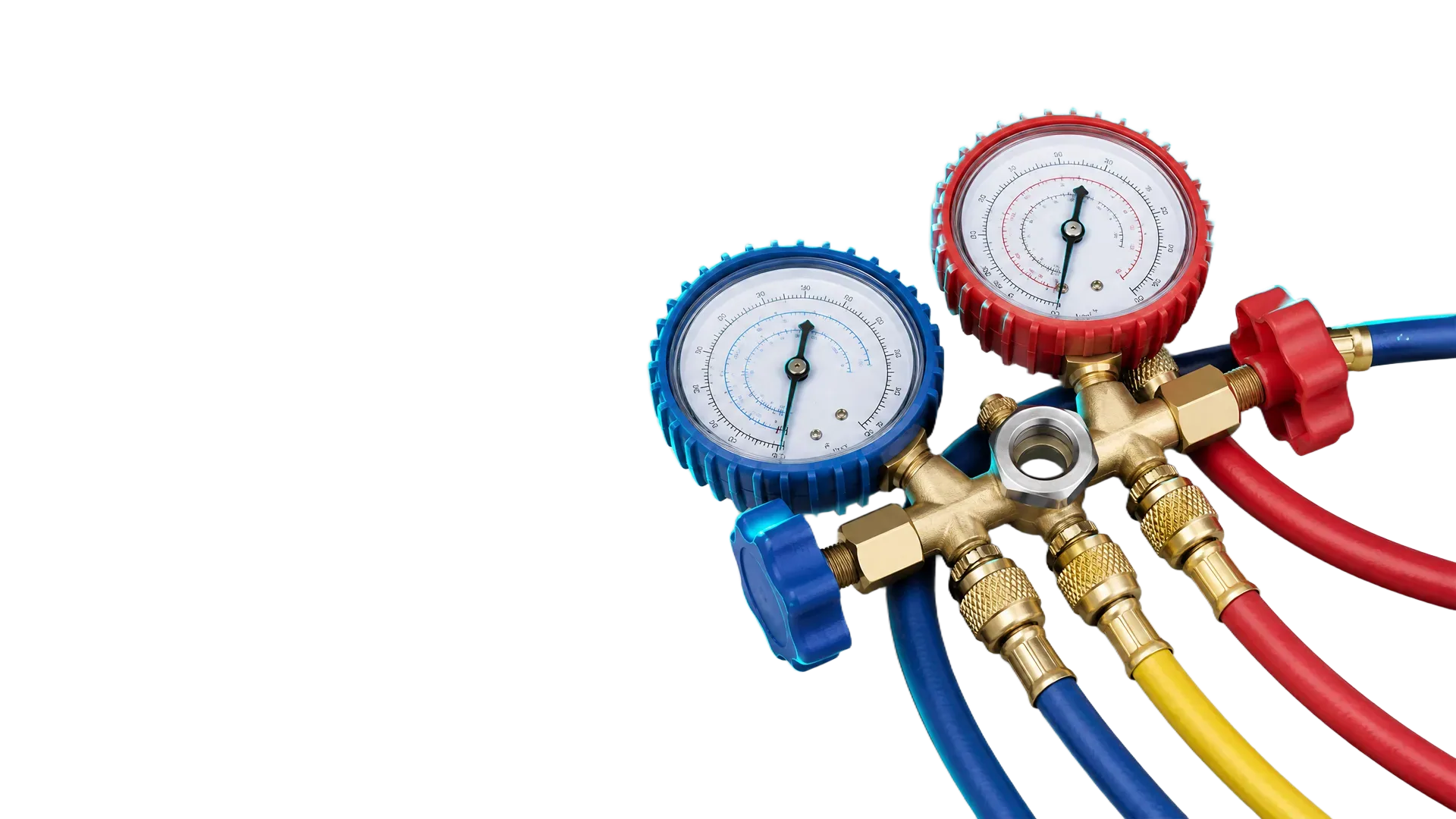
A part that's struggling now is a part that's failing later
A compressor that's struggling still tries to do its job every time the thermostat calls for cool, and that's the problem. Low refrigerant makes it run hotter than it's built for. A failing capacitor makes it push harder to start each cycle. Neither gets better with use. The compressor either limps along, drawing more current and building more heat each time it kicks on, or it trips a safety switch and shuts itself down before it burns out completely. A dirty coil works the same way on the other end. Airflow drops, so the system runs longer to hit the same temperature, and the compressor behind it works harder the whole time. None of this fixes itself by running more. It's the opposite. The part that's already struggling keeps absorbing damage every cycle until it quits outright, usually at the worst possible time, and usually taking longer to repair than if it had been caught early.
How old it is, and how often it's broken
Age matters more than any single symptom. A compressor or coil failure on a system still well within its expected lifespan is almost always worth repairing, since the rest of the unit has plenty of life left and a single part replacement solves the problem. The same failure on a system already past that point is a different decision, because the next part to go is rarely far behind, and repairs start getting paid for one at a time instead of once. How often the system has needed a repair lately matters more than its age by itself. A unit that's needed a new capacitor, then a contactor, then a fan motor across back to back summers is telling you something a single breakdown doesn't. It's using up its remaining life in pieces instead of all at once, and that pattern tends to continue rather than stop.
Colorado summers barely stress an AC, so a broken one is usually worth fixing.
Tell us about the job
Takes about a minute. No obligation.
Fill out the form once, and a licensed contractor calls to schedule a look.