
AC Installation in Colorado
Homes in Colorado are newer than in 40 of the other 49 states.
Tell us about the job
Takes about a minute. No obligation.
- 83°Fsummer afternoon high where people live
- 1 monthof cooling, in July
- 14.92¢ per kWhwhat homes paid for power in 2024 (kWh means kilowatt hours, the unit on an electric bill)
- 4,421hail events from 2015 to 2024
Your AC catches a break here Cooling runs one month a year, July
- Hottest summers in Bent County, mildest in San Juan County
- Summer afternoons average 83°F where people live
- Cooling runs in July
- 4,421 hail events from 2015 to 2024
- 3,347 damaging wind events from 2015 to 2024
- 13% of homes lost power a day or more in 2024


- A properly sized unit cools the house evenly instead of leaving some rooms warm and others cold
- New refrigerant lines get checked for leaks before the system ever runs a full cycle
- Correct airflow and thermostat setup pull humidity down, so the house feels cooler at a higher setting
- A new disconnect and fresh line set mean less strain on the compressor from day one
- The old unit and its refrigerant get removed to code, not left sitting for you to deal with

Colorado households run cooling in July and nothing else. Afternoon highs average 83 across June, July and August, cooler than 29 of the other 49 states see. A system here is not fighting months of heat all summer. It gets built, gets used hard for a few weeks, and sits idle the rest of the year.
The bigger risk to a new system here is not the heat. Colorado recorded more hail from 2015 to 2024 than every other state where its people live, and damaging wind hit the state thousands of times in that same stretch. An outdoor unit needs to hold up to that. A disconnect and line set installed correctly matter as much as the tonnage on the nameplate.
Get it installed in June
June is the month to get this done. July is the only month cooling runs here, and once the first hot week hits, installers fill up fast. Book in June and you get your pick of dates instead of whoever can still fit you in. The work itself does not change because the calendar is tight. The lines still need to be tested for leaks, the airflow still needs to be set up right, the disconnect still needs to be wired in clean. Getting it done before July just means it is done once, and ready when the heat shows up.
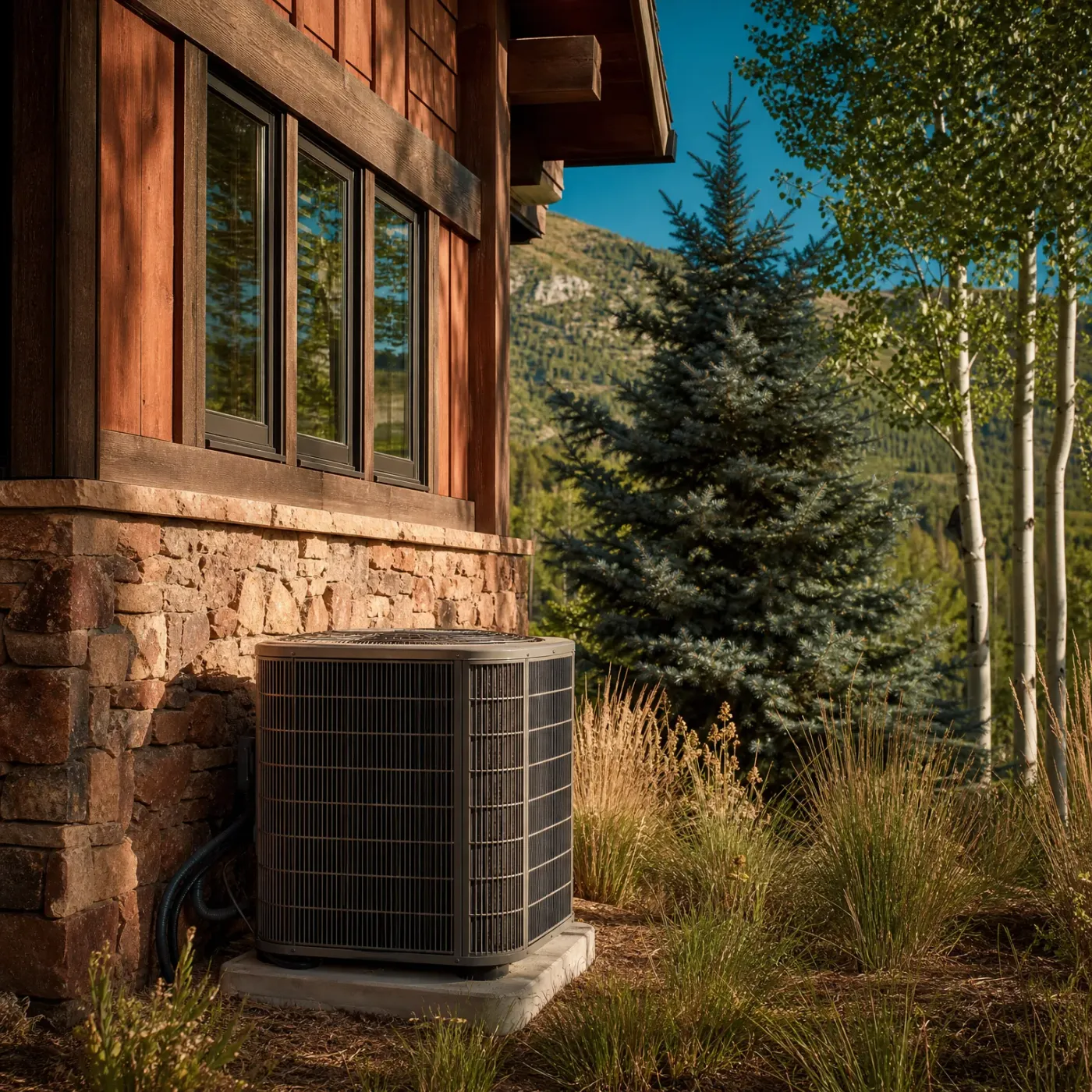
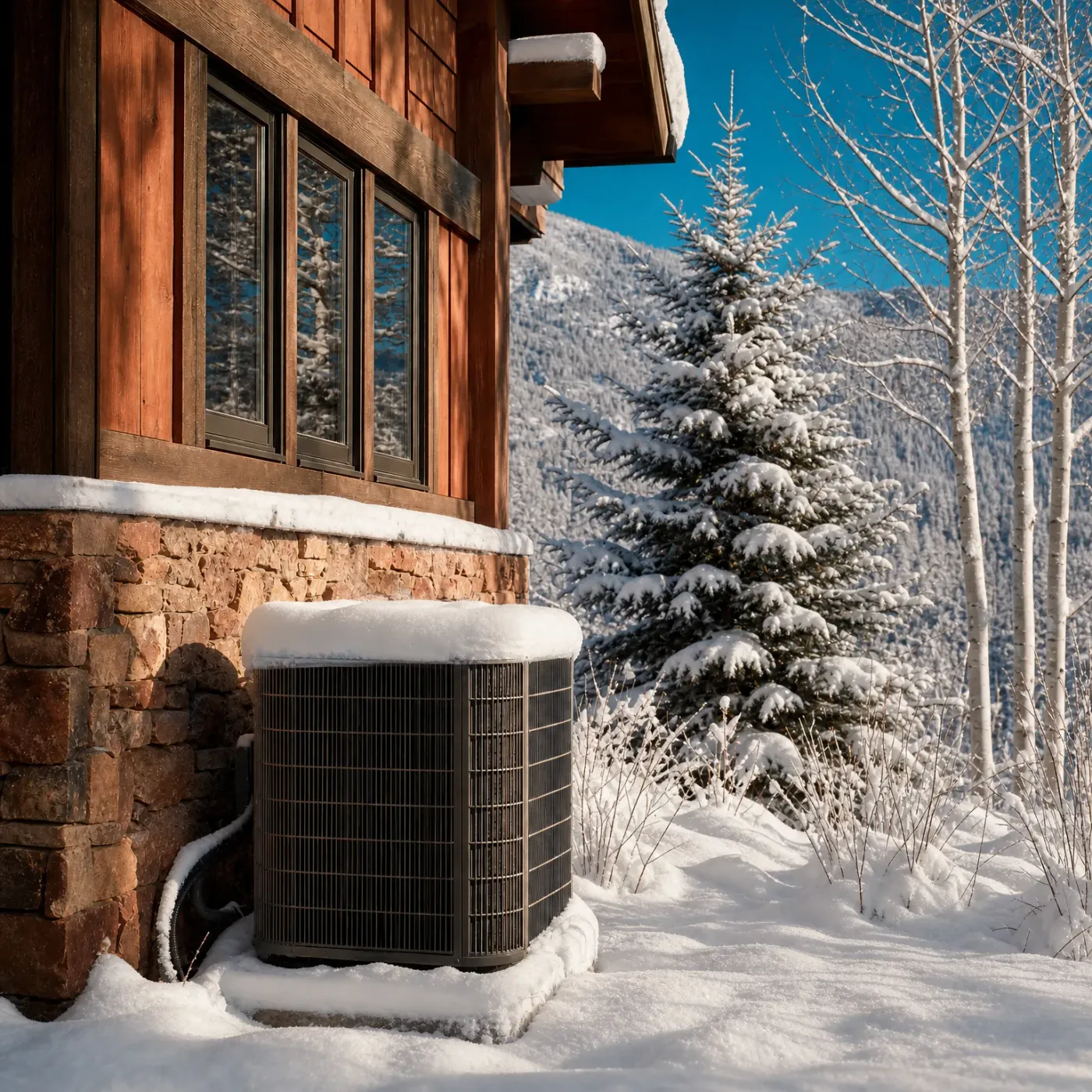
1 month of cooling, in July
9 months of heat, September through May
What does an AC in Colorado face?
How hot do summer afternoons get?
83°Faverage afternoon high where people live
Alaska66°F
Arizona101°F
How many months does the cooling run?
1 monthof cooling a year
Alaska0 months
Hawaii12 months
What does electricity cost?
14.92¢per kWh, what homes paid in 2024
North Dakota11.51¢
Hawaii42.86¢
How often do storms hit?
455severe weather events per county from 2015 to 2024
Alaska5
Wyoming1,057
How many homes lost power for a day or more?
13%of homes in 2024
Arizona7%
Maine54%
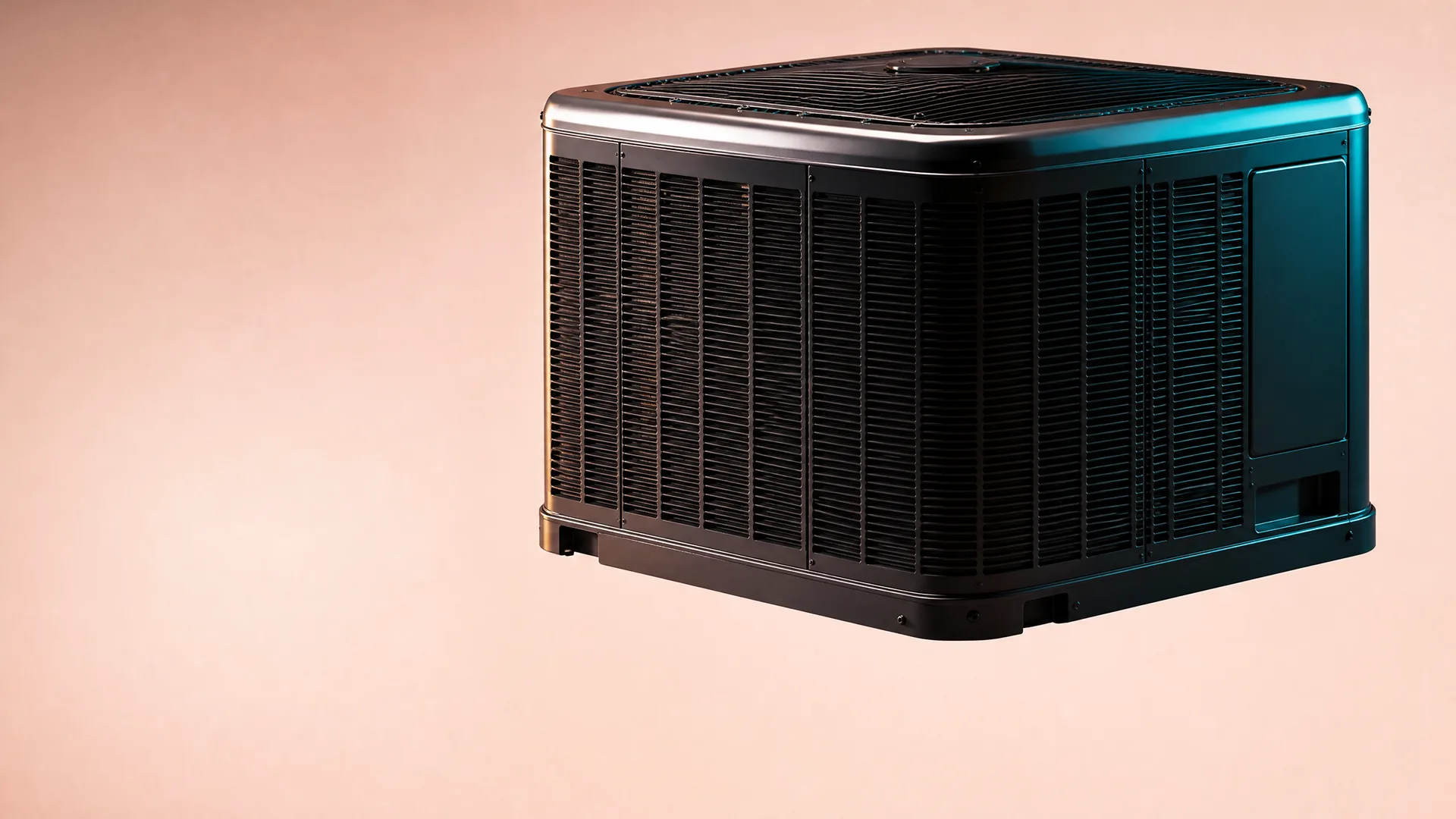
Running it here costs less than most places
Electricity here runs 14.92 cents a kilowatt-hour, cheaper than in most states. A Colorado home using AC pulls about 4.5 million Btu (British thermal units, a measure of heat) a year doing the job, and that is the whole cooling bill since one month carries almost all of it. A higher SEER2 (seasonal energy efficiency ratio under the 2023 test, an AC's cooling efficiency over a season) unit still uses less power than a lower one, but with a season this short and power this cheap, it takes longer to earn back the difference in what you paid for it. What matters more here is whether the unit holds up through the hail and wind this state gets, and whether it was sized and set up right from the start.
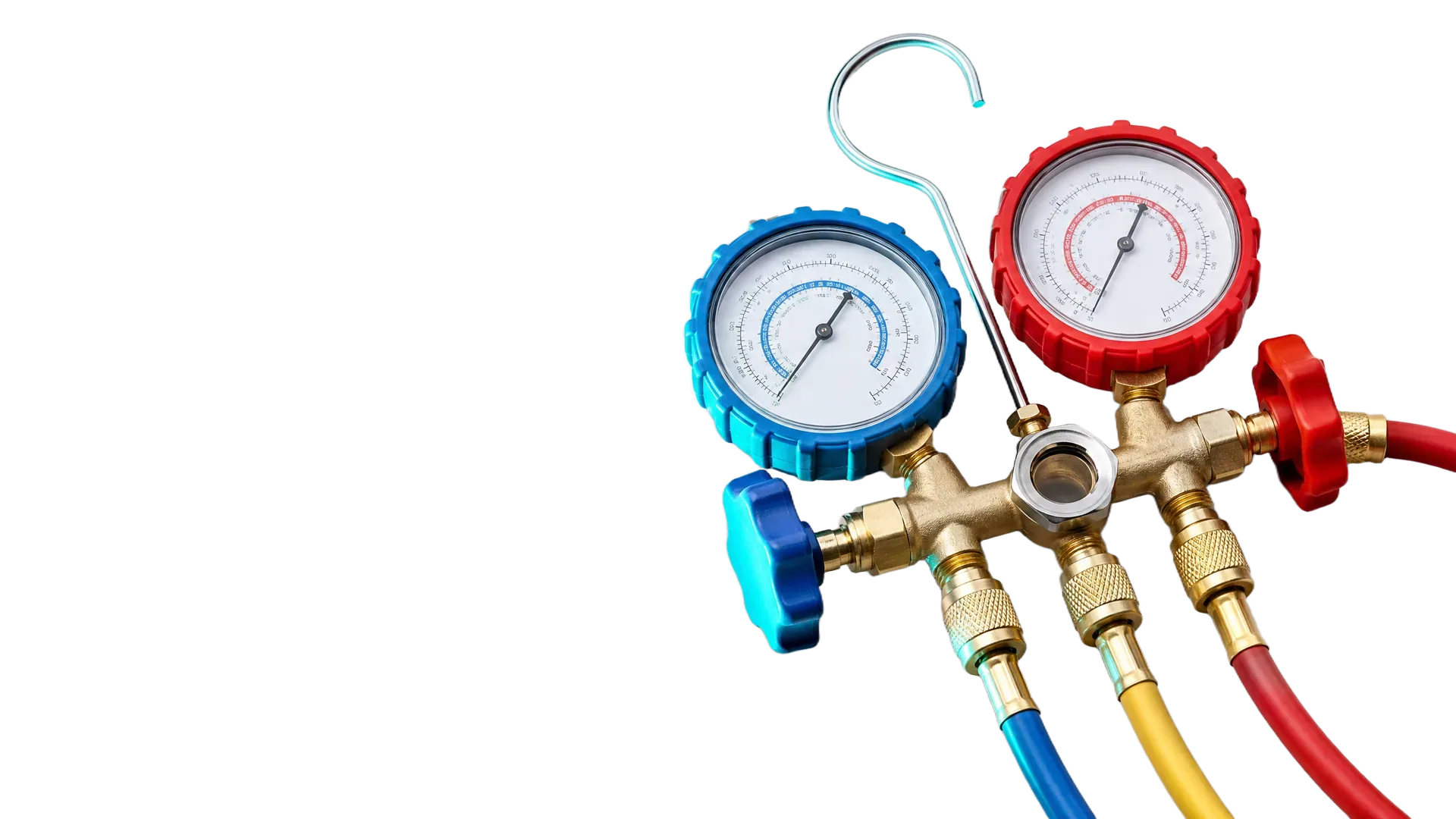
What happens on install day
Installation starts with a load calculation, not a guess based on the old unit's size. A tech measures the house, checks the windows and insulation, and figures out what size system actually matches it. Once the new unit is set outside, the lines get connected and pressure tested before any refrigerant goes in, so a leak shows up on a gauge instead of months later as a system that won't cool. Indoors, the coil and the air handler or furnace need to pair up correctly, and the ductwork gets checked for leaks or restrictions that would undercut even a perfectly sized unit. The electrical work, the disconnect box and the breaker, gets sized to the new equipment rather than reused by habit. Before anyone leaves, the system runs a full cycle while the tech checks refrigerant charge, airflow at the vents, and the temperature split between the air going in and the air coming out. That test run is what tells you the installation was done right, not just that the unit turns on.
What's already heating this house
Gas heats 66.4% of homes in Colorado, more than any other fuel. Electricity is a distant second at 25.6%, and propane covers another 4.9%. A gas furnace pairs with the AC coil in the same air handler, so if gas is already running the heat here, the cooling install is working with equipment that is already set up for it. The coil goes in above or beside the furnace, ties into the existing ductwork, and the new outdoor unit connects in. Swapping like for like keeps the installation straightforward because the rest of the system around it does not need to change.
Pick a system built for Bent County's 91 degree afternoons or San Juan's mild 63, not a statewide guess.
Tell us about the job
Takes about a minute. No obligation.
Fill out the form and a licensed Colorado installer sizes the system to your part of the state.