
Mini Split Installation in Colorado
Homes in Colorado are newer than in 40 of the other 49 states.
Tell us about the job
Takes about a minute. No obligation.
- 83°Fsummer afternoon high where people live
- 1 monthof cooling, in July
- 17°Fwinter overnight low where people live
- 9 monthsof heat, September through May
Electricity here runs cheaper than most so payback comes slower than the ad promises
- Hottest summers in Bent County, mildest in San Juan County
- Summer afternoons average 83°F where people live
- Winter nights average 17°F where people live
- Cooling runs in July
- 3,347 damaging wind events from 2015 to 2024
- 13% of homes lost power a day or more in 2024

- Each room gets its own thermostat, so you quit heating or cooling rooms nobody's in
- The indoor head mounts high on a wall or ceiling, no ductwork run behind it
- Sized right, the unit holds steady temperature instead of swinging hot and cold
- The line set between outdoor unit and indoor head is sealed and insulated to hold its charge
- Most systems heat and cool, so one unit replaces a space heater in winter too

Bent County averages 91°F on summer afternoons, June through August. A mini split out there needs to hold that output day after day, not just handle an occasional hot spell. The contractor sizing it should ask what your afternoons actually run, not just measure square footage.
San Juan County averages 63°F on summer afternoons. A mini split there is doing light cooling most days, some weeks maybe none. That changes what size unit makes sense and how much of the year it's earning its keep. What's right for a house in Bent County is oversized for one up here.
Cooling barely works here, weather is what gets tested
Cooling runs one month here, July. The rest of the year this system is heating or sitting idle. Colorado's summer afternoons average 83°F, cooler than most of the country sees, so the compressor isn't working hard even in that one month. What wears on a mini split here is the weather outside, not the cooling load. Colorado has recorded more hail than every other state where people live, and damaging wind hits often too. The outdoor unit sits exposed to both year round. That's worth asking your contractor about, a cabinet and coil built to take a hit, rather than paying more for a higher efficiency rating you'd barely use.
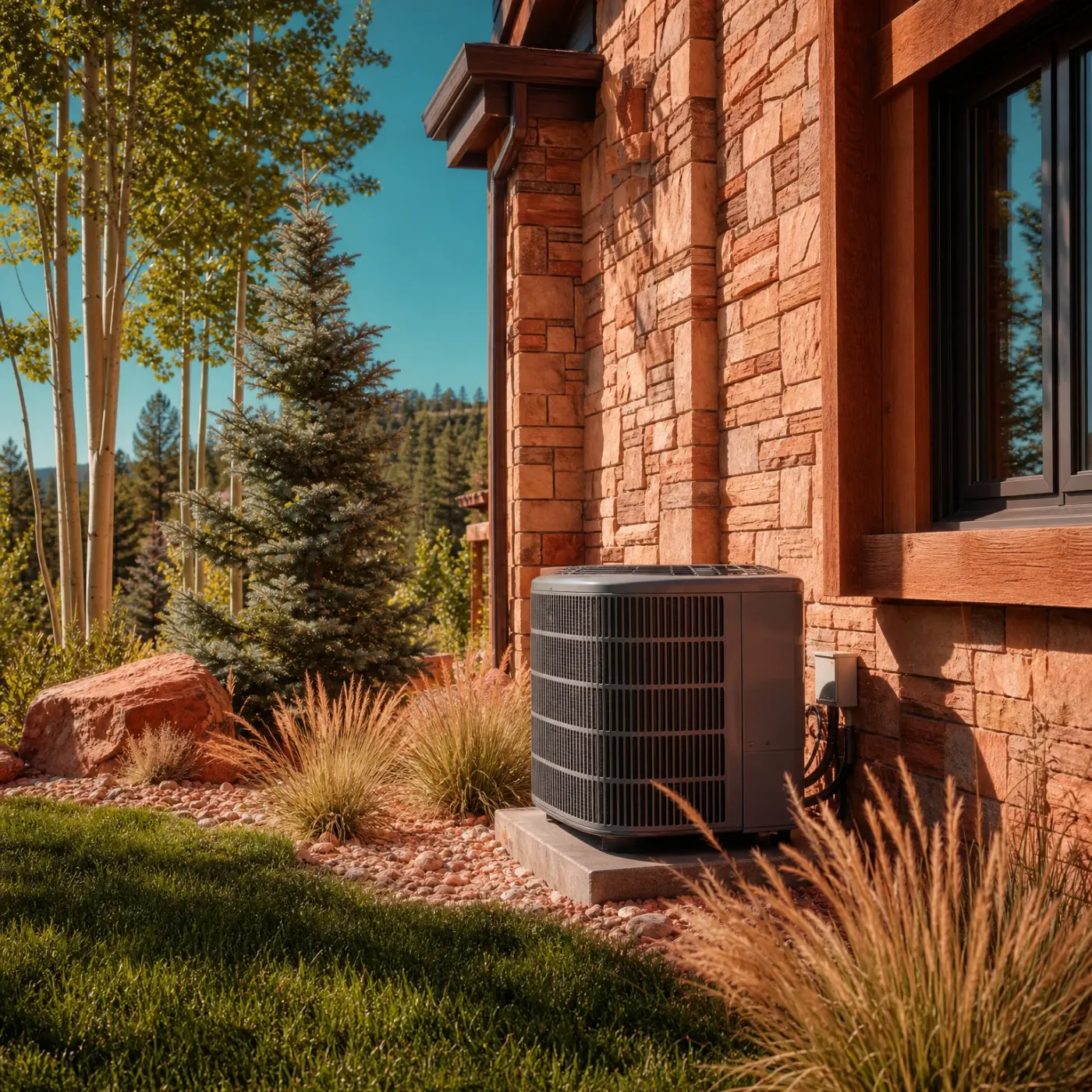
1 month of cooling, in July
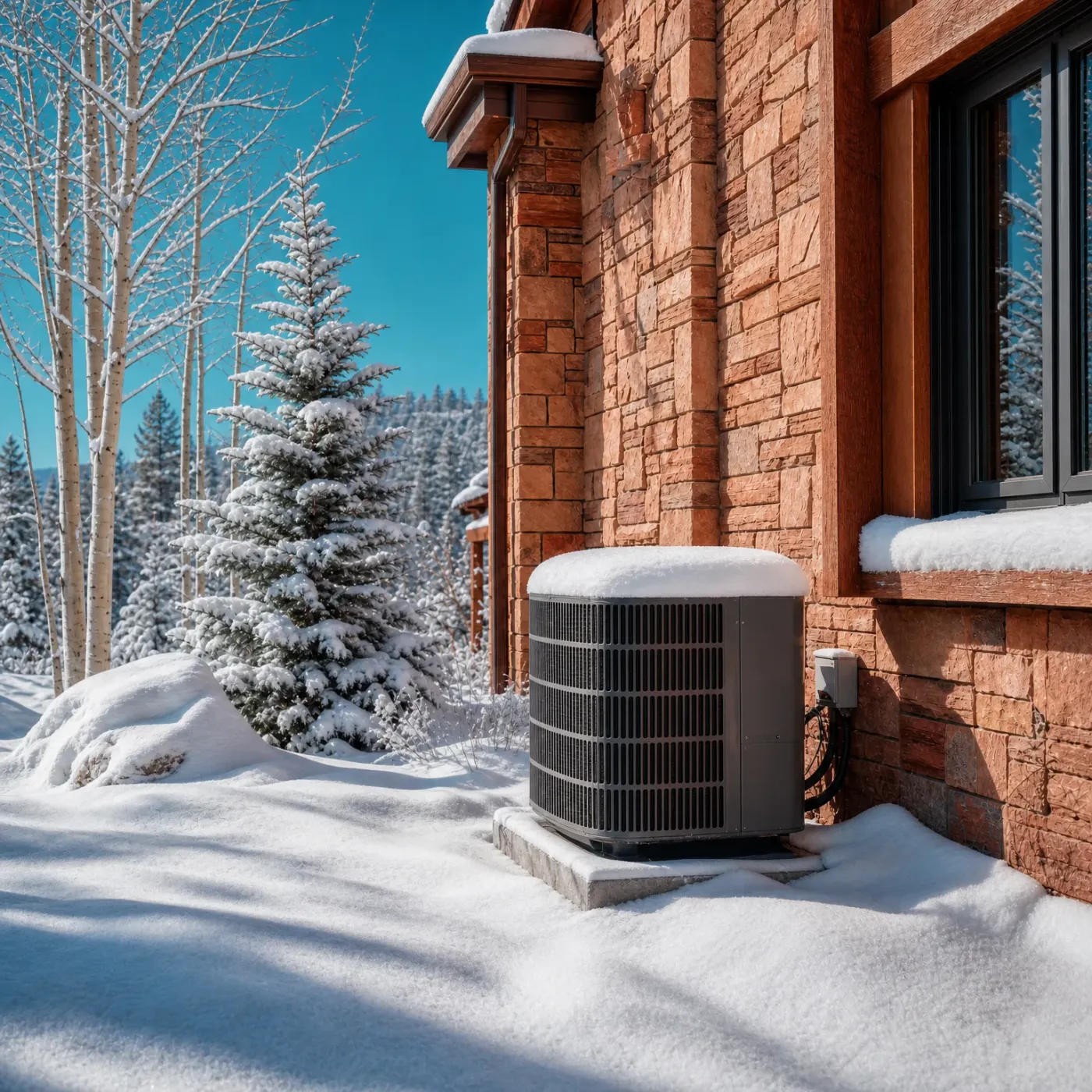
9 months of heat, September through May
What does a mini split in Colorado face?
How hot do summer afternoons get?
83°Faverage afternoon high where people live
Alaska66°F
Arizona101°F
How cold do winter nights get?
17°Faverage overnight low where people live
North Dakota4°F
Hawaii65°F
How many months does the cooling run?
1 monthof cooling a year
Alaska0 months
Hawaii12 months
What does electricity cost?
14.92¢per kWh (kilowatt hours, the unit on an electric bill), what homes paid in 2024
North Dakota11.51¢
Hawaii42.86¢
How often do storms hit?
455severe weather events per county from 2015 to 2024
Alaska5
Wyoming1,057
How many homes lost power for a day or more?
13%of homes in 2024
Arizona7%
Maine54%
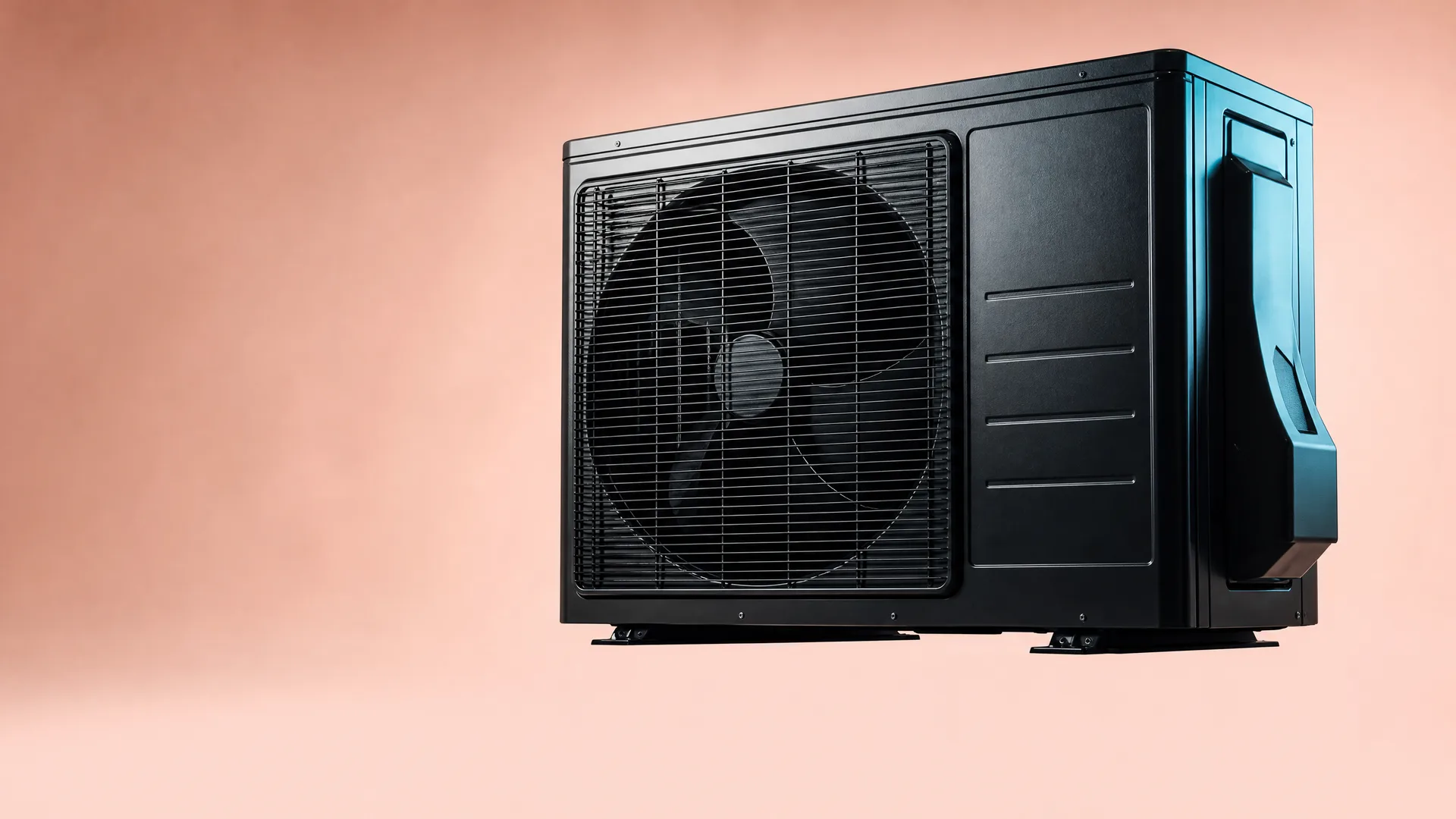
Cheap power here means the install matters more than the efficiency rating
Electricity here runs 14.92 cents a kilowatt-hour. That puts Colorado cheaper than 26 other states. A mini split still costs less to run than baseboard heat or a window unit, but the premium for the highest efficiency tier takes longer to earn back on a power bill this size. Put that money into the installation instead. A correctly sized line set. A mounting job that keeps the outdoor unit clear of snow load and debris. A contractor who checks refrigerant charge before closing it up. Those decisions affect whether the system holds up through a Colorado winter. The efficiency rating on the label does not.
The rating on the label is a lab number, not a promise
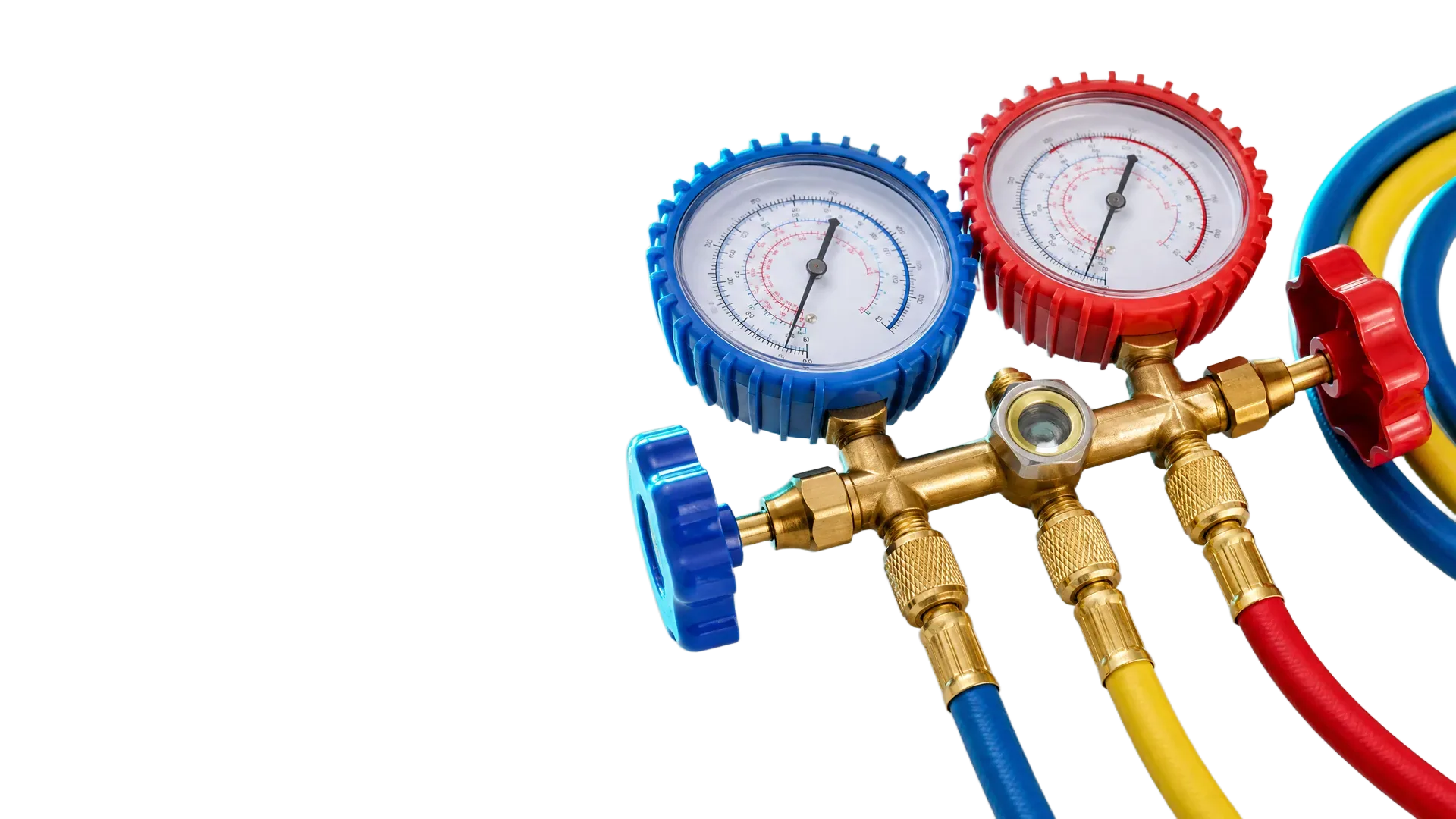
The rating on a mini-split's label comes from lab testing. A set indoor temperature, a set outdoor temperature, the unit run at a steady state. That number tells you how efficiently the system turns electricity into heat or cooling under those exact conditions. It doesn't tell you how the unit performs on the coldest night of the year or the hottest afternoon, because that's not what gets tested. A higher rating means less electricity for the same output, but only when the system is sized right and installed well. An oversized unit cycles on and off instead of running steady, and it never hits the number on the label. A line set with a slow leak or a refrigerant charge that's off won't hit it either. The rating is a ceiling. What the contractor does during installation decides how close the system gets to it.
Gas heats most homes here, so a mini split usually isn't working alone
Utility gas heats 66.4% of homes in Colorado, more than any other fuel. Electricity heats 25.6%, and bottled or LP gas heats most of the rest. A mini split fits into either setup. In a gas-heated home it usually takes over cooling and the mild months, with the furnace still handling the coldest stretch of winter. In a home that already heats with electricity, a mini split can replace baseboard heat or an old electric furnace outright. Worth asking your contractor which role yours is filling, because that changes how it should be sized.
Cooling only has to carry July here, so install before summer and it's ready on your schedule.
Tell us about the job
Takes about a minute. No obligation.
Share what's heating or cooling your home now and a licensed Colorado installer will size the replacement to it.