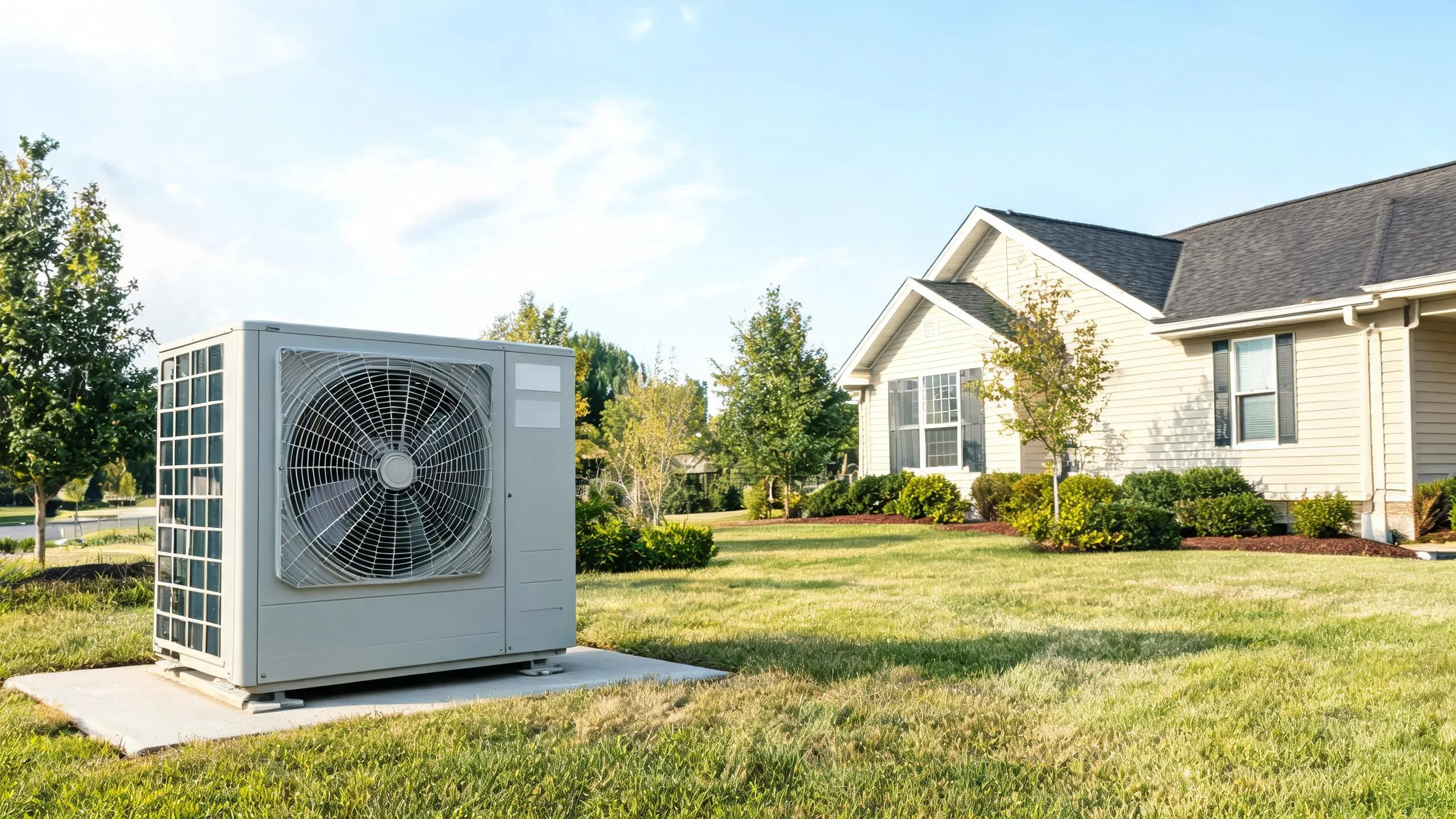






A grey heat pump outdoor unit mounted on a concrete pad in a suburban backyard, with a single-storey house visible behind it.

Heat Pump Repair in Boulder, CO

Tell us about the job

Takes about a minute. No obligation.

RepairHeat PumpBoulder County, CO
Step 1 of 2

What ZIP code is the job in?

Winter nights in Boulder settle into the teens, and that's the stretch when a struggling heat pump shows itself. It has to work harder to pull heat from cold outside air, so a system that's low on refrigerant or losing its defrost cycle falls behind fast. Hail and wind are common enough here, but they rarely touch the parts that actually fail. More often it's a worn contactor, a bad defrost board, or a unit that was never sized right for the house. A technician checking yours will look at the same things they'd check anywhere else. The fix is usually straightforward once the real cause is found.

10 months
September through June, your system heats
17°F
the average winter night it heats against
78°F
the average summer afternoon it cools against
Isometric cutaway illustration of a small house showing interior ductwork and an air handler connected by lines to an outdoor condenser unit on a pad beside the building.

Heat runs here from September through June.

August is when to get a weak heat pump looked at, before the first cold night finds the bad part.

Electricity here runs 14.92 cents a kilowatt-hour, so a heat pump working harder than it should costs you more every month it runs

Power costs 14.92 cents a kWh statewide
120 damaging wind events from 2015 to 2024
125 hail events from 2015 to 2024

Boulder County gets its share of rough weather. Wind has hit 120 times in the last ten years, hail 125 times, and a tornado touched down once. None of that is what usually takes down a heat pump. The outdoor unit sits outside year round and is built to take wind and hail without much trouble. Winter storms are more frequent, and what they threaten is the power, not the unit itself. A heat pump that cuts out mid-cycle during a cold snap can lose its defrost cycle or come back on with ice already on the coil. That's a different problem than storm damage, and it's one a technician can trace and fix without replacing the unit.

A newer system is usually worth repairing

Half the homes in Boulder County were built in 1986 or later. If your house falls on that side, the heat pump in it has had less time to wear down, and whatever it's doing now is more likely a part failing than a system reaching the end of its life.

Find a contractor
A man in a gray long-sleeve shirt, olive pants, cap and boots walks up porch steps toward a red front door, carrying a canvas tool bag beside a potted plant in a terracotta pot.
A residential heat pump outdoor unit mounted on a concrete pad next to a house with gray vinyl siding.

A newer system is worth calling someone about, not replacing

If your heat pump came with a house built in the last few decades, say it with a repair in mind, not a replacement. Call out the symptom and let the technician trace it back to the part. Most repairs on a system that age settle the problem for good.

What you'll actually notice first

A heat pump in trouble usually shows up as warm air that isn't warm enough, or the system running long stretches without the house ever feeling caught up. Some units switch between heating and cooling on their own. Ice building up on the outdoor coil and staying there is another sign worth calling in. Short cycling, where the unit kicks on and off every few minutes, points to a different problem than one that just runs and runs without keeping up.
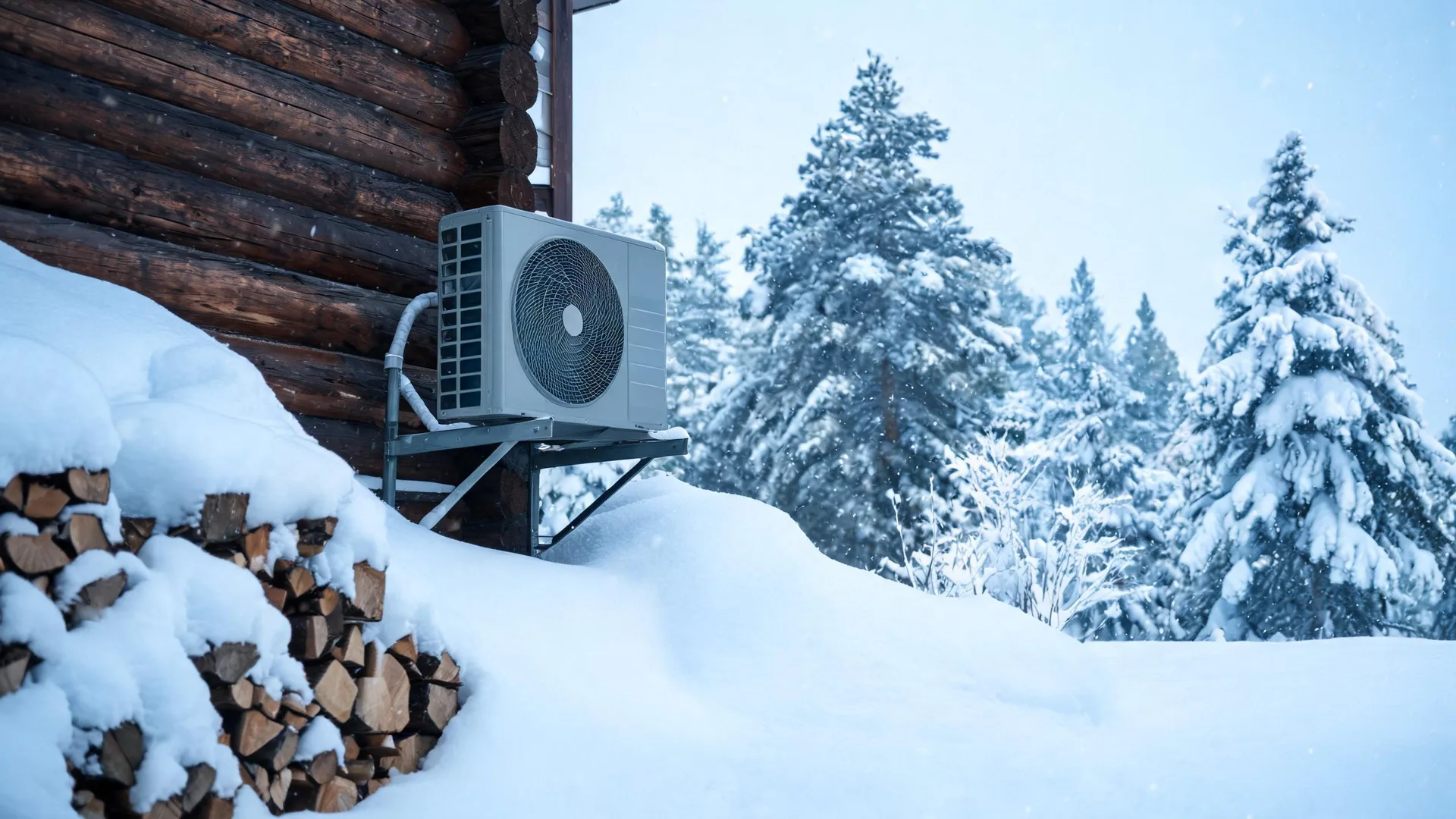
Why the symptom matters more than the guess

A reversing valve stuck in one position can feel like a thermostat problem from inside the house. A failing defrost board can look like a refrigerant leak. The symptom alone doesn't say which part is behind it, so the useful thing a homeowner can do is describe exactly what the system is doing, when it started, and what it sounds or feels like, and let the technician trace it from there instead of guessing at a cause.

Before calling anyone, check the thermostat first. Make sure it's set to heat and the set point is actually above room temperature, since a setting bumped by accident looks exactly like a system failure. Go outside and look at the unit. If the outdoor coil is caked in ice or snow is packed into the base, that's worth noting but don't chip at it or hose it off. Check the indoor filter and swap it if it's gray or clogged, since restricted airflow can mimic a much bigger problem. Walk through the breaker panel and confirm nothing's tripped. None of this tells you which part failed, but it rules out the simple stuff before a technician has to.

A heat pump that's otherwise sound is almost always worth repairing. The compressor is the expensive part, and most failures happen elsewhere, in the parts that start it, control it, or reverse it between heating and cooling. A bad capacitor, a stuck reversing valve, a failed defrost board, these get replaced on their own without touching the compressor or the rest of the system. What changes the math is the compressor itself failing, or a refrigerant leak in the coil that's hard to reach and hard to seal. Either of those is a bigger job, and on an older unit it's often the point where a technician will tell you straight that replacement makes more sense than chasing the same system's next failure. Age matters here less than which part broke.