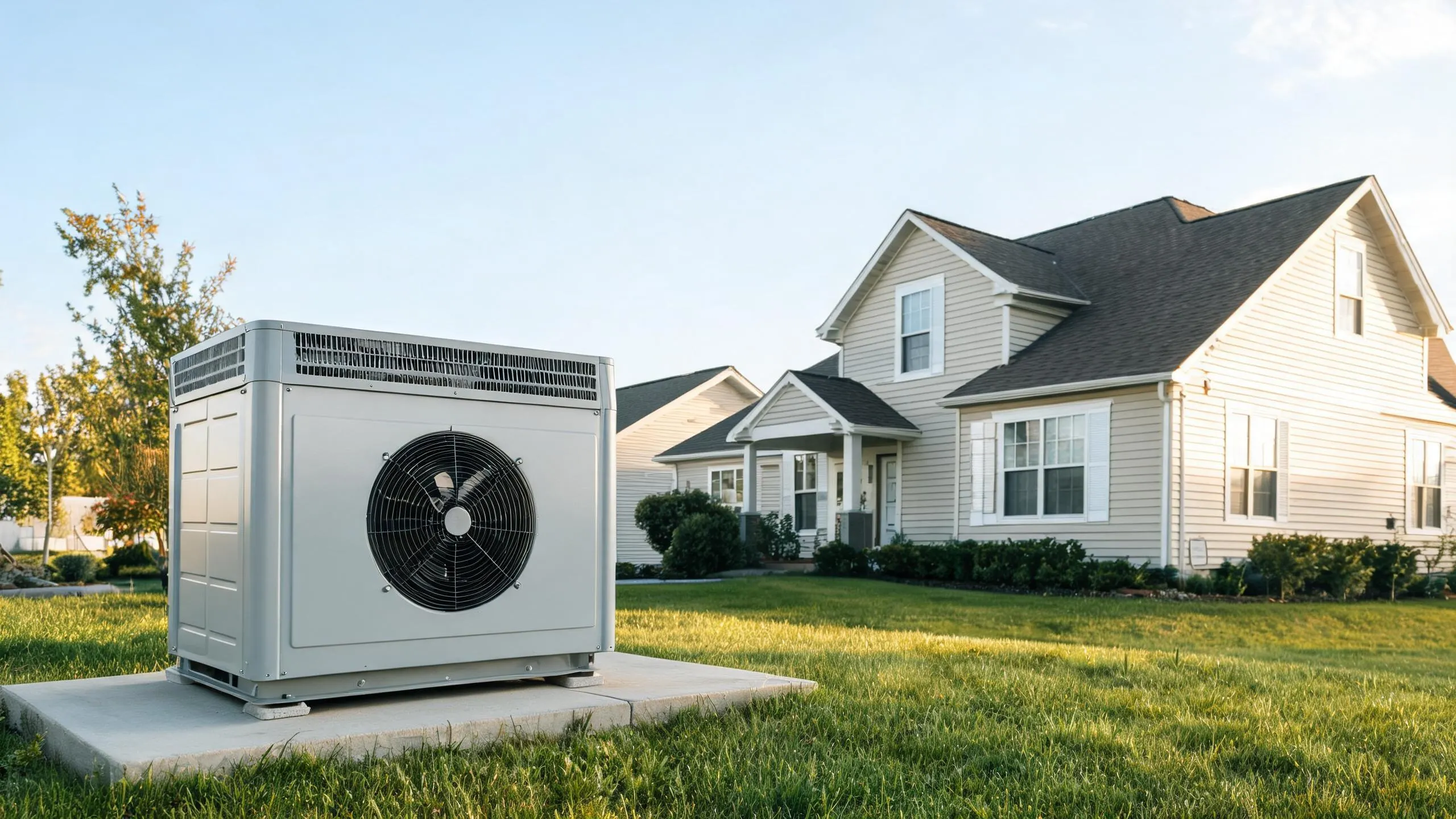





An outdoor heat pump unit mounted on a concrete pad in the front yard of a gray suburban house.

Heat Pump Repair in Trinidad, CO

Tell us about the job

Takes about a minute. No obligation.

RepairHeat PumpLas Animas County, CO
Step 1 of 2

What ZIP code is the job in?

Winter nights here average 20 degrees, cold enough that a heat pump has to work for every bit of heat it pulls from the outside air. If yours is short-cycling, running nonstop, or blowing air that never feels quite warm, that's the cold doing what cold does to this kind of system. It isn't a sign something unusual is wrong with your unit. Trinidad doesn't put any extra strain on a heat pump that other places don't see. A tech will likely check the same things they'd check anywhere else. The refrigerant charge. The defrost cycle. Whether the outdoor coil has iced over. Cold weather just means small problems show up sooner than they would in a milder month.

8 months
October through May, your system heats
3 months
June through August, it cools
20°F
the average winter night it heats against
86°F
the average summer afternoon it cools against
Isometric grayscale illustration of a cutaway house showing interior rooms, ceiling ductwork connected to an indoor air handler, and an outdoor condenser unit beside the exterior wall.
Your system heats October through May and cools June through August.

NOAA nClimDiv, 1991–2020 normals

Heat pumps here sit idle from May to October before the heat starts up again.

A weak part that made it through summer often fails in the first cold weeks of October.

Colorado's power rates make a struggling heat pump worth fixing fast

Power costs 14.92 cents a kWh statewide
151 damaging wind events from 2015 to 2024
65 hail events from 2015 to 2024

Half the homes in Las Animas County were built in 1972 or earlier. If your heat pump came with a house that old, it may not be the original unit, but there's a good chance it's at least older itself, closer to the end of its working life than the start. A repair on a unit that age is worth doing if it gets you through the season, but it's worth asking the tech how much more you're likely to get out of it before you pay for anything big. A unit installed new in a recent remodel is a different conversation entirely. The age of the house doesn't tell you the age of the heat pump, only that it's worth checking.

Get the usual fix

Nothing about this area is especially hard on it. It's most likely the usual problem with the usual fix.

Find a contractor
A gray outdoor HVAC unit mounted on a concrete pad beside a house with gray lap siding and a stone foundation.

What a tech actually checks when they come out

A diagnostic starts outside, at the unit itself. A tech checks the refrigerant charge first, since too little or too much throws off everything downstream. They'll check the defrost cycle, making sure the system switches into it and back out on schedule instead of getting stuck. The outdoor coil gets a look too, since a coil caked in ice or packed with dirt and debris can't pull heat from the air the way it needs to. Inside, they'll check the air handler, the blower motor, and whatever's feeding it power, since a failing capacitor or a loose electrical connection can look like a much bigger problem from the thermostat. Most of this comes down to testing one part at a time until something reads wrong. That's what takes the time, not guessing.

The outdoor unit running constantly isn't your imagination

A heat pump that never shuts off, even when the house has reached the set temperature, is losing a fight somewhere. Low refrigerant charge, a failing compressor, or a reversing valve stuck between modes will all do this. The system can usually keep the house close to comfortable while it struggles, so the first sign isn't a cold house, it's a unit that won't rest.
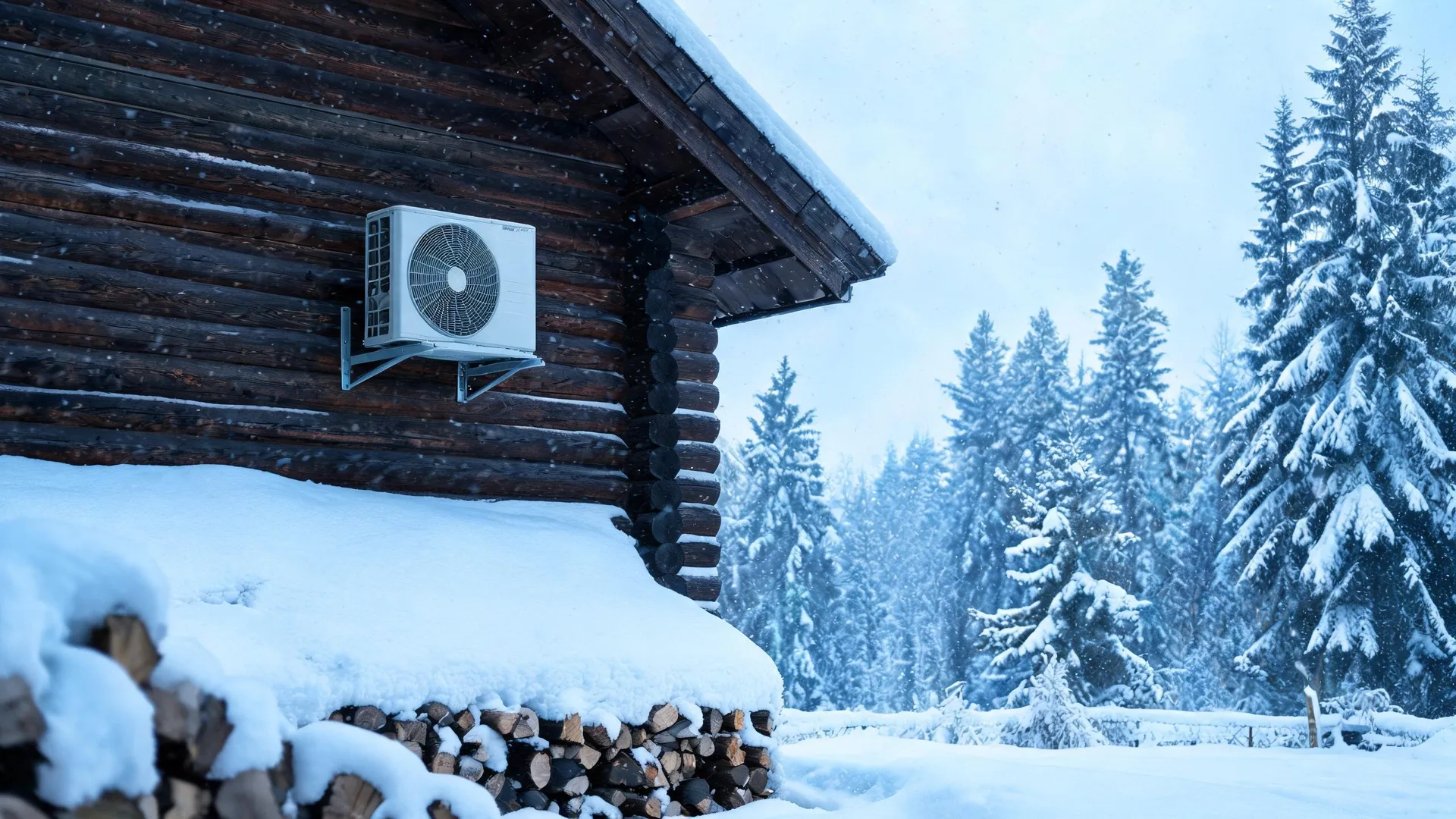
Air that's blowing but not warm means something upstream is off

Heat pumps move heat rather than generate it the way a furnace does, so the air from the vents is naturally cooler than what you'd feel from gas heat. But if it feels closer to room temperature than to warm, or outright cool, that points to the compressor not pulling its weight, a dirty outdoor coil, or the system stuck in defrost longer than it should be. Worth having a tech check it before you assume that's just how heat pumps feel.

Before anyone comes out, there are a few things worth checking yourself. Go outside and look at the unit. If it's caked in ice beyond a thin layer of frost, that's worth noting, though a heat pump will run a defrost cycle on its own and some frost is normal. Check the breaker it's on. A unit that trips a breaker repeatedly has an electrical problem that won't fix itself by resetting it again. Look at the thermostat and make sure it's set to heat and the temperature is actually above room temperature, simple as that sounds. Walk through the house and check that vents aren't blocked by furniture or closed off in rooms you don't use, since that can starve the system of airflow. If you have a filter you change yourself, check whether it's clogged. None of this will fix a failing compressor or a refrigerant leak, but it rules out the easy things before you pay someone to find them for you.

A repair is worth doing when the problem is a single part failing, a capacitor, a contactor, a fan motor, something a tech can point to and replace. It gets harder to justify once the compressor itself is failing, since that's the most expensive part in the system and often costs close to what a new unit runs. Age matters less than what's actually broken. An older heat pump with a bad capacitor is an easy fix. The same unit with a failing compressor is a real decision, not an easy one. Ask what failed before you ask what it costs to fix, because that tells you whether you're looking at a quick repair or the start of a run of them.