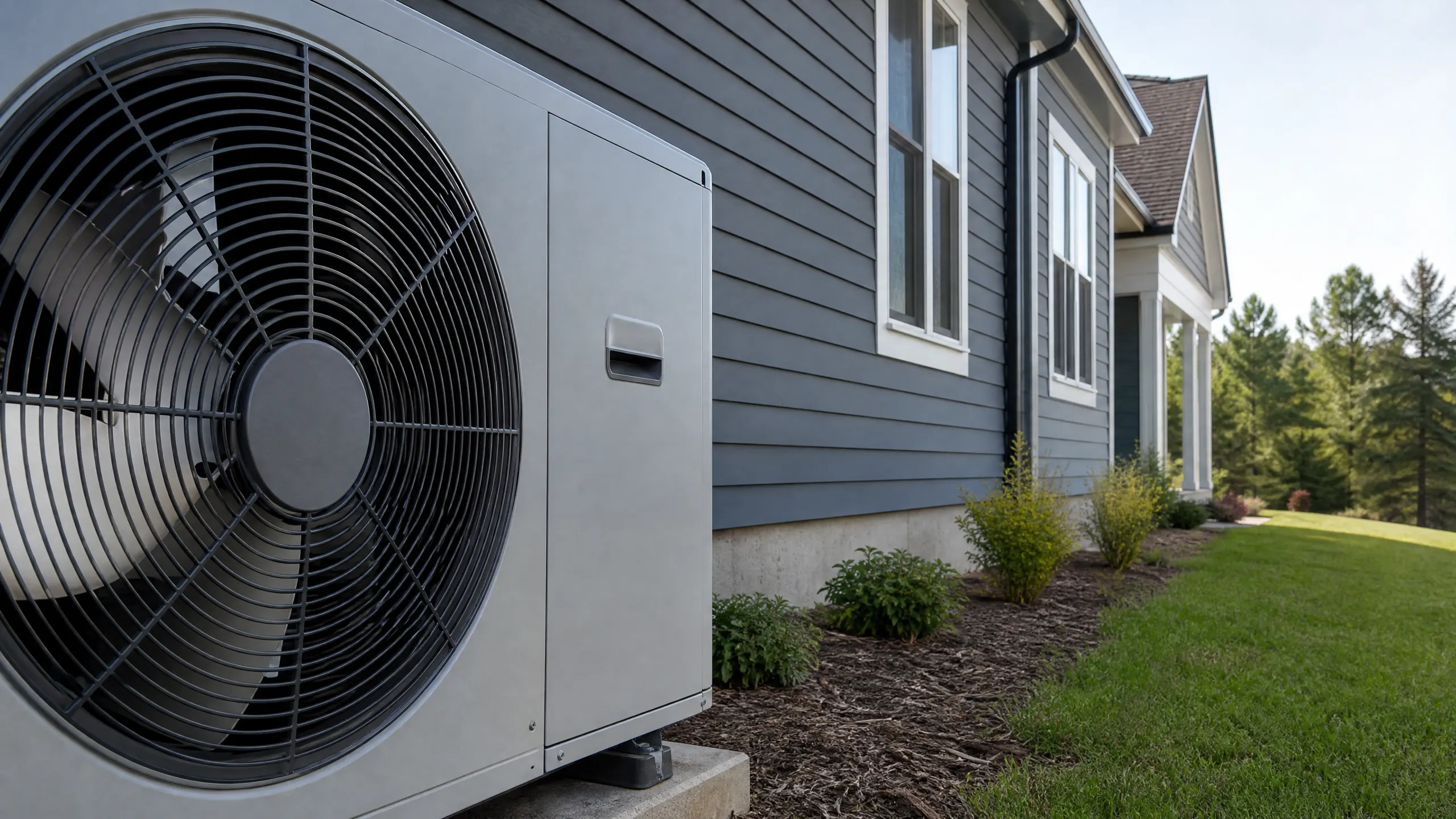






A heat pump outdoor unit mounted on a concrete pad next to the gray-sided exterior wall of a residential house.

Heat Pump Repair in Salida, CO

Tell us about the job

Takes about a minute. No obligation.

RepairHeat PumpChaffee County, CO
Step 1 of 2

What ZIP code is the job in?

Winter nights in Salida average 9 degrees. That's cold enough that your heat pump leans on backup heat more than it would somewhere milder, and that's normal. It doesn't mean anything is wrong with the unit. Chaffee County sees its share of heavy snow and wind, but that's weather the equipment is built to handle, not unusual strain on it. If your heat pump is short cycling, running constantly, or not keeping the house warm, the cause is almost always something specific. A low refrigerant charge. A failing defrost control. A worn reversing valve. A technician can usually find which one it is and fix it without guessing.

9°F
the average winter night it heats against
71°F
the average summer afternoon it cools against
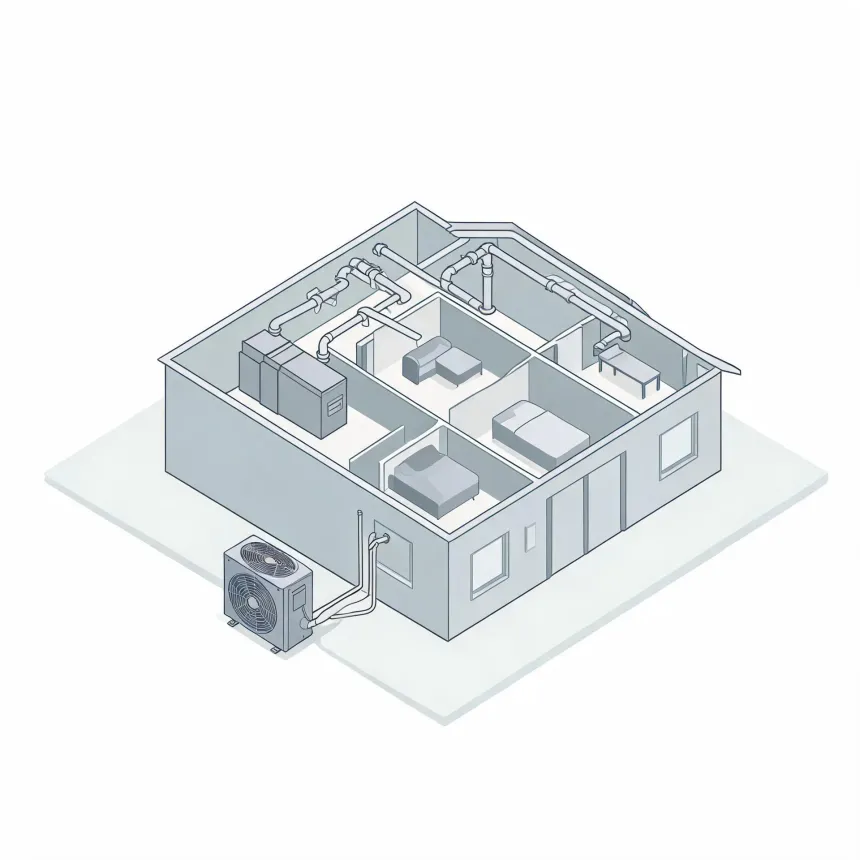
Isometric line illustration of a cutaway single-story house showing interior rooms with beds and furniture, ceiling ductwork connected to an indoor air handler, and an outdoor condenser unit linked by refrigerant lines.

Half the homes in Chaffee County were built in 1993 or later.

A heat pump that came with a newer house still has working life in it, and that favors repair over replacement.

Electricity here runs 14.92 cents a kilowatt-hour, so a heat pump working harder than it should costs you more every month it goes unfixed

Power costs 14.92 cents a kWh statewide
72 damaging wind events from 2015 to 2024
160 winter storms from 2015 to 2024
Winter storms are common here, not unusualChaffee County saw 160 winter storms between 2015 and 2024, weather this equipment is built for

A heat pump that's short cycling or leaning too hard on backup heat is working harder than it needs to, and at 14.92 cents a kilowatt-hour that shows up on your bill fast. Waiting to see if it sorts itself out usually just means weeks of higher bills before the same repair happens anyway. Have a technician find the actual cause, whether that's the charge, the defrost control, or the reversing valve, and fix it before the next cold stretch runs the cost up further.

Your heat pump likely has years left in it

A heat pump that came with a newer house still has the parts and the years to make a repair worth it. Get the actual cause found and fixed instead of planning around a replacement that likely isn't needed yet.

Find a contractor
A man in a cap, blue long-sleeve shirt and tan pants climbs porch steps toward a red front door, carrying a canvas tool bag beside a red planter.
A dark gray heat pump unit mounted on a concrete pad next to a house with gray siding and a stone veneer wall.

A diagnostic visit checks the system, not just the symptom

A diagnostic visit starts outside, at the unit itself. A technician checks refrigerant pressures first, because that reading shows right away whether the system is low on charge or moving refrigerant the way it should. They check the temperature split between the air going into the system and the air coming out. That split shows whether the unit is actually transferring heat the way it's supposed to. They'll run the system through a defrost cycle on purpose and watch whether it starts and ends when it should. A defrost control that's drifted out of calibration usually shows itself right there. They'll also listen to the reversing valve switch. A valve that's starting to stick often makes itself known with a clunk or a hesitation before it seats. Electrical readings come next, the capacitor, the contactor, the wiring running to the outdoor unit. A part that's degrading electrically can cause symptoms that look like a mechanical failure. Each reading either rules something out or points straight at it.

A sticking reversing valve stops being occasional

A reversing valve that sticks once in a while can still seat fully most cycles, so the system mostly works. Left alone, the wear that made it stick gets worse, and it starts hanging up more often until the system gets stuck heating or cooling and stops switching at all.
Low charge speeds up compressor wear

A system low on refrigerant runs longer to satisfy the thermostat, and that extra runtime is what wears the compressor down. The compressor is the one part a heat pump cannot run without, and once it fails the whole system is down, not just slow to catch up.

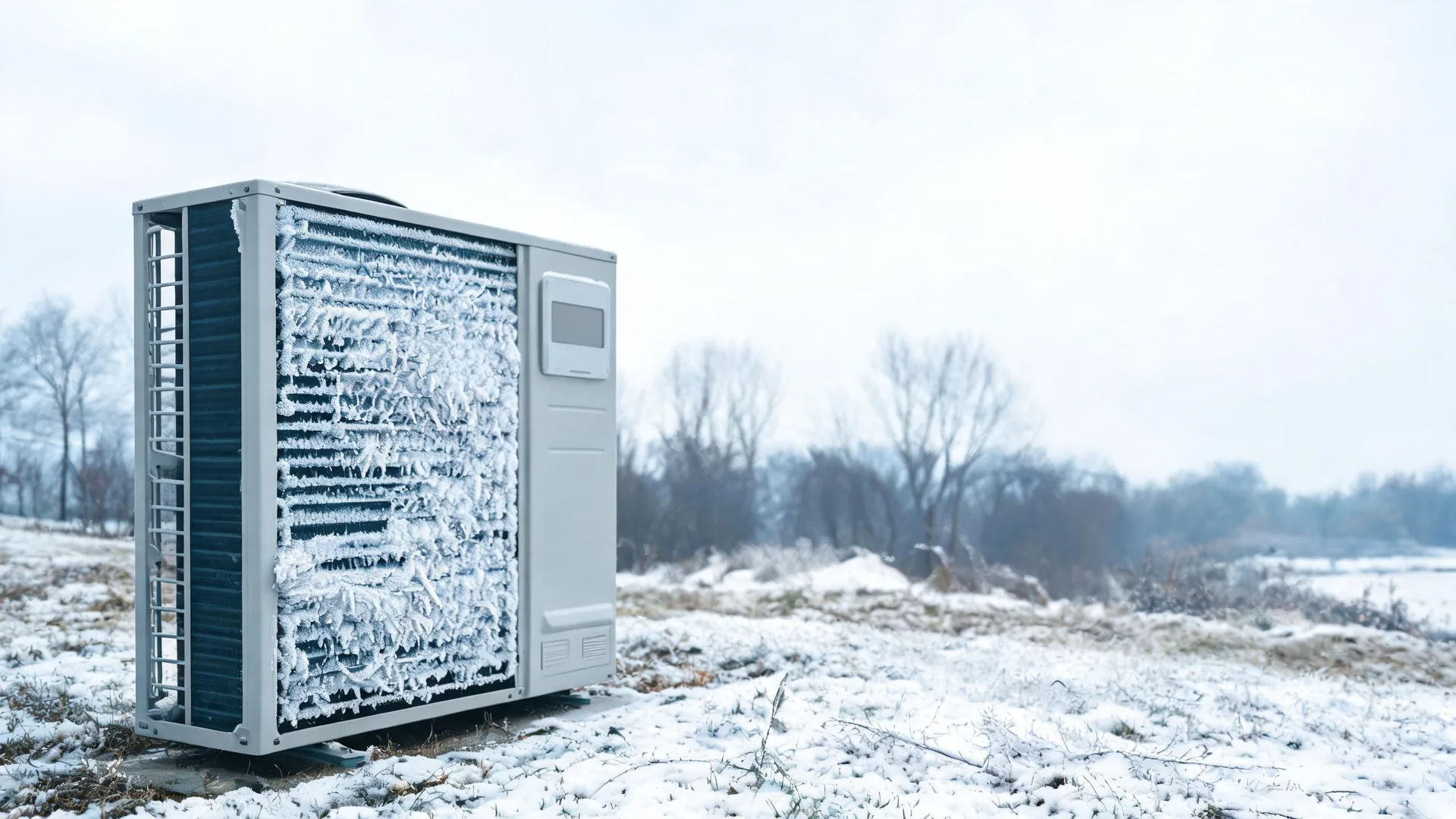
Before anyone comes out, there are a few things worth checking yourself. Look at the outdoor unit and clear away anything blocking it, leaves, snow, ice built up around the base. Check that the thermostat is set to heat and the temperature is actually set above room temperature, since a setting bumped by accident looks exactly like a system that won't heat. Check your circuit breaker, since a tripped breaker will shut the whole system down and is something you can reset yourself. Look at the air filter and replace it if it's dirty, because restricted airflow can cause problems that look like bigger failures. If the outdoor unit is caked in ice beyond what normal defrost cycles clear, that's worth noting for the technician rather than trying to chip off yourself. None of this fixes a bad reversing valve or a low charge, but it rules out the simple stuff first.

A technician weighing repair against replacement is really asking how many more good years the unit has left, not just what's broken today. An aging compressor that's starting to struggle is a different situation than a reversing valve or defrost control acting up on a system that's otherwise sound. Those parts can be replaced on their own without touching the compressor or the rest of the system. What matters more than the system's age is whether it's been maintained, whether refrigerant charge has been kept correct, and whether this is the first real failure or the latest in a string of them. A unit that's needed several repairs in quick succession is telling you something different than one that's run clean for years and just hit a single failed part. Age on its own doesn't decide it. What's actually failed, and what else is likely to follow, does.