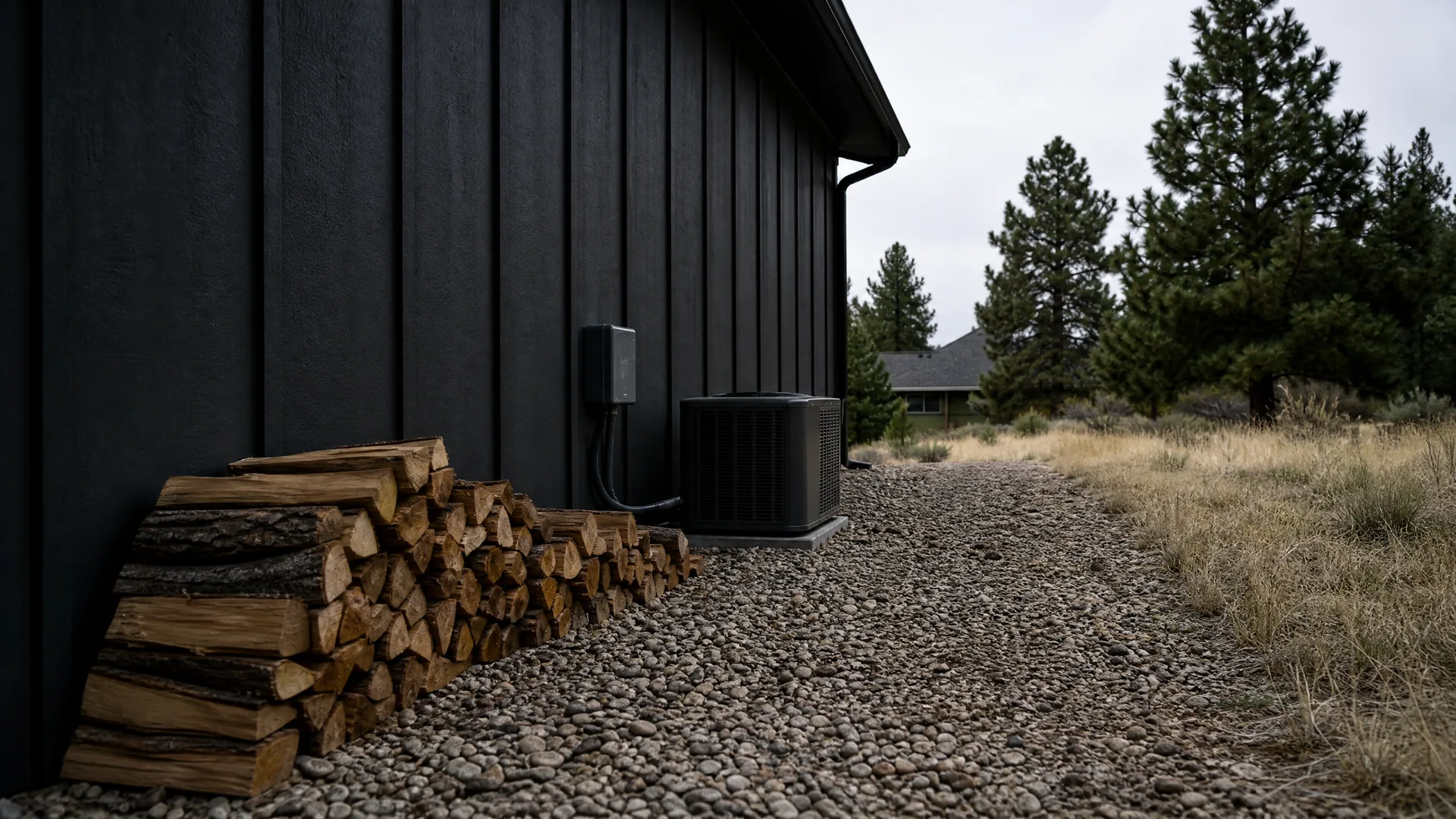
Exterior corner of a dark board-and-batten house with a stacked firewood pile, an electrical box and an outdoor condenser unit on a gravel bed, with dry grass and pine trees under an overcast sky.

Heat Pump Repair in Denver, CO

Tell us about the job

Takes about a minute. No obligation.

RepairHeat PumpDenver County, CO
Step 1 of 2

What ZIP code is the job in?

October is when weak systems show it

Heat comes on in October here and runs through May. A heat pump that was already struggling tends to fail right at that first cold stretch, when it switches over from cooling and has to carry a real load for the first time in months.


September is worth a call before you need heat

If your heat pump has been off since August, September is the month to get it looked at. A tech can catch a weak part before the first cold night in October turns it into no heat at all.

8 months
October through May, your system heats
3 months
June through August, it cools
19°F
the average winter night it heats against
87°F
the average summer afternoon it cools against
Isometric cutaway illustration of a single-story house showing interior rooms, ceiling ductwork, an indoor air handler, and an outdoor condenser unit connected by lines on the ground.
Your system heats October through May and cools June through August.

NOAA nClimDiv, 1991–2020 normals

Check the outdoor unit before you call anyone. Clear away leaves, ice or anything blocking the coil, and make sure the fan spins freely when the system is running.

Check your thermostat too. A dead battery or a mode switch left on cool looks exactly like a failed system, and it rules itself out in a minute.

At 14.92 cents a kilowatt-hour, a heat pump working harder than it should costs you every month it runs

Power costs 14.92 cents a kWh statewide
64 damaging wind events from 2015 to 2024
142 hail events from 2015 to 2024
Nothing unusual about this coldWinter nights here average 19°F, cold a heat pump is built to handle

Half the homes in Denver County were built in 1975 or earlier, half in 1975 or later. That split doesn't point to any one cause here. A heat pump acting up in an older house and one acting up in a newer one usually trace back to the same handful of things. A low refrigerant charge, a failing capacitor, a reversing valve stuck in one position, or a sensor sending the board bad information. The fix is finding which one it is, not guessing based on when the house went up. A tech checks the charge, tests the capacitor, and watches how the system switches between heating and cooling before deciding what's actually wrong.

A heat pump working harder than it should costs you every month

A heat pump drawing extra power to make up for a bad part costs you at 14.92 cents a kilowatt-hour, every month it keeps running that way. Getting the actual cause fixed is what stops it.

Find a contractor
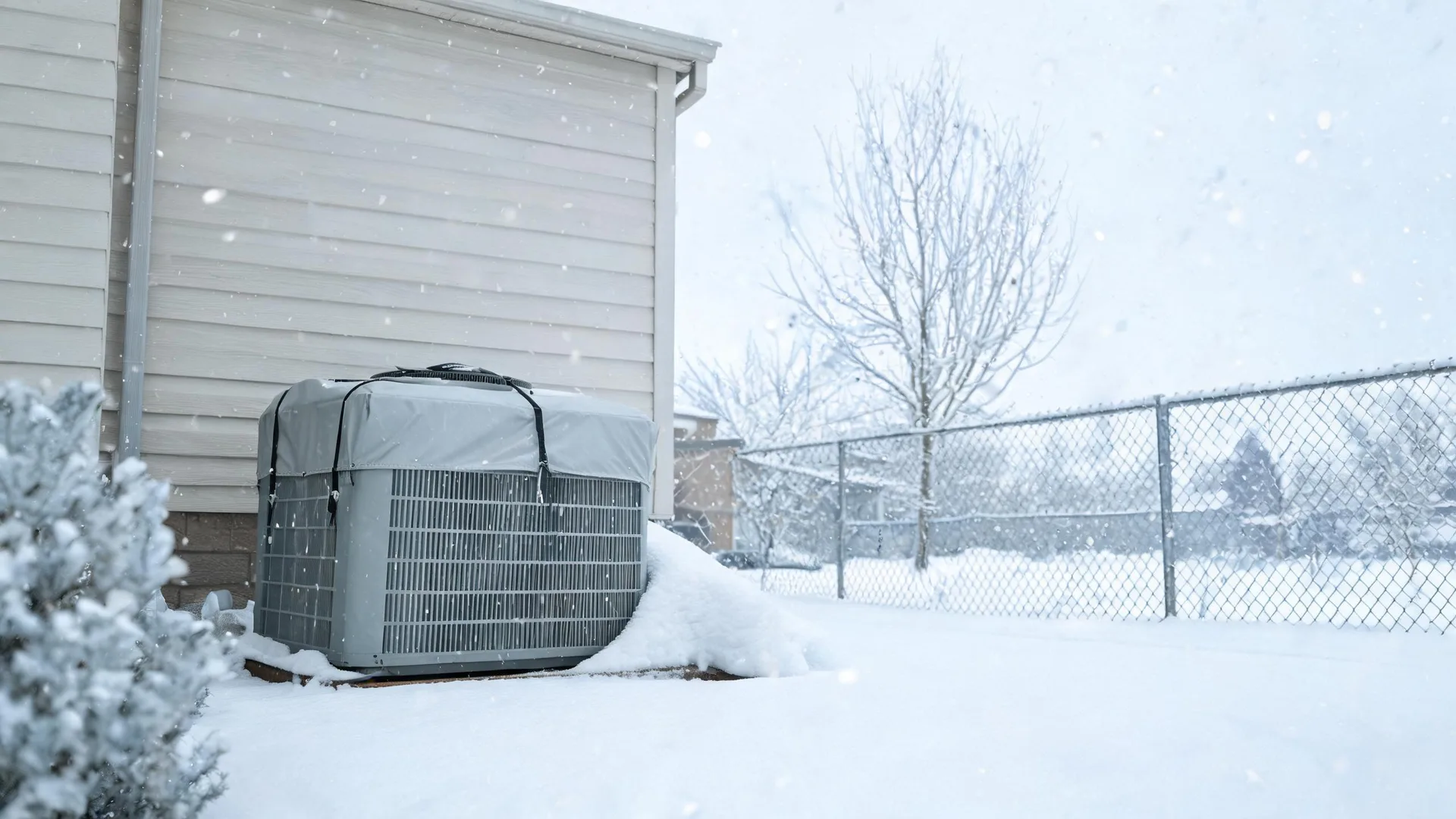
A residential heat pump outdoor unit mounted on a concrete pad next to a house with gray vinyl siding.

Hours on the system add up, and worn parts don't recover on their own

A heat pump that's been running fine for months doesn't go quiet overnight. It usually tells you first. Listen for it struggling to switch between heating and cooling, a hesitation or a clunk from the reversing valve, or air coming out of the vents that's barely warm when it should be hot. Ice building up on the outdoor coil and not clearing during the defrost cycle is another one. Short cycling, where it turns on and off every few minutes instead of running a full cycle, wears on the compressor fast and is worth calling about before it gets worse. None of these fix themselves with more runtime. The longer a struggling system keeps working, the more it stresses the parts that were already weak.

The reversing valve is usually where it starts

A heat pump has one part a furnace or straight AC doesn't have. The reversing valve is what switches it between heating and cooling. A weak solenoid or debris built up from years of switching can make it stick. When it sticks, the system keeps running but the air coming out isn't nearly as warm as it should be.

The outdoor coil takes the most abuse

The outdoor coil sits exposed year round. It depends on a clean surface and a working defrost cycle to shed frost between heating cycles. A failing defrost control board or a low refrigerant charge will stop that frost from clearing. Ice builds up on the coil, and once it does, the system can't pull heat from the air at all.

A compressor is built to move refrigerant under pressure, not to grind against a shortage of it. Run a system low on charge and the compressor still fires every cycle, working harder to push what little refrigerant is there. That heat has nowhere to go, and over time it breaks down the oil that keeps the compressor's internals from wearing on each other. A reversing valve stuck halfway does something similar. It lets refrigerant bleed between the heating and cooling sides instead of routing it cleanly, so the compressor works against itself every time it runs. None of this shows up as a sudden failure. It shows up as a system that runs longer to do less, until the part that was struggling quietly gives out.

A heat pump that needs a new capacitor or contactor is worth fixing. Those parts are cheap next to the system and don't say anything bad about what's left. A compressor is a different question. It's the most expensive part in the unit, and if it's failing, the age and condition of everything else start to matter. An outdoor unit that's rusting through the cabinet or a coil that's been patched before tells you this failure probably isn't the last one. A tech can tell you which kind of repair you're looking at before any work starts, and that answer should drive the decision more than how the system's been running lately.