August is the month to catch problems early
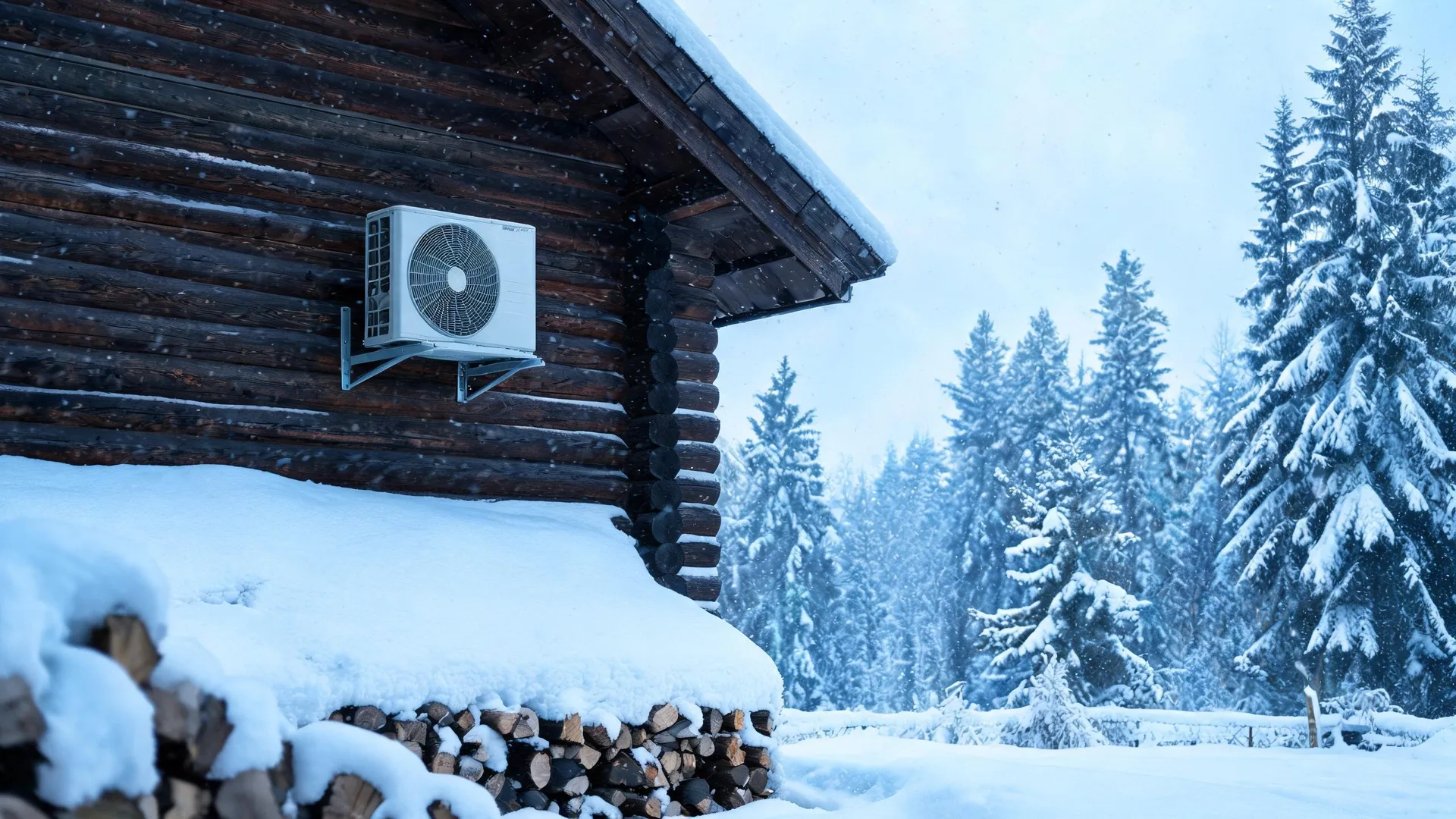
Heat in Routt County homes usually starts up in September. A heat pump that was already weak tends to show it in those first cold mornings, when it has to work harder than it has in months.
Takes about a minute. No obligation.
Heat in Routt County homes usually starts up in September. A heat pump that was already weak tends to show it in those first cold mornings, when it has to work harder than it has in months.
Heat pumps here run from September through June, close to ten months a year. That kind of use means parts wear down on a steady schedule, so a repair now is almost always about something that finally gave out, not something unusual about the job.
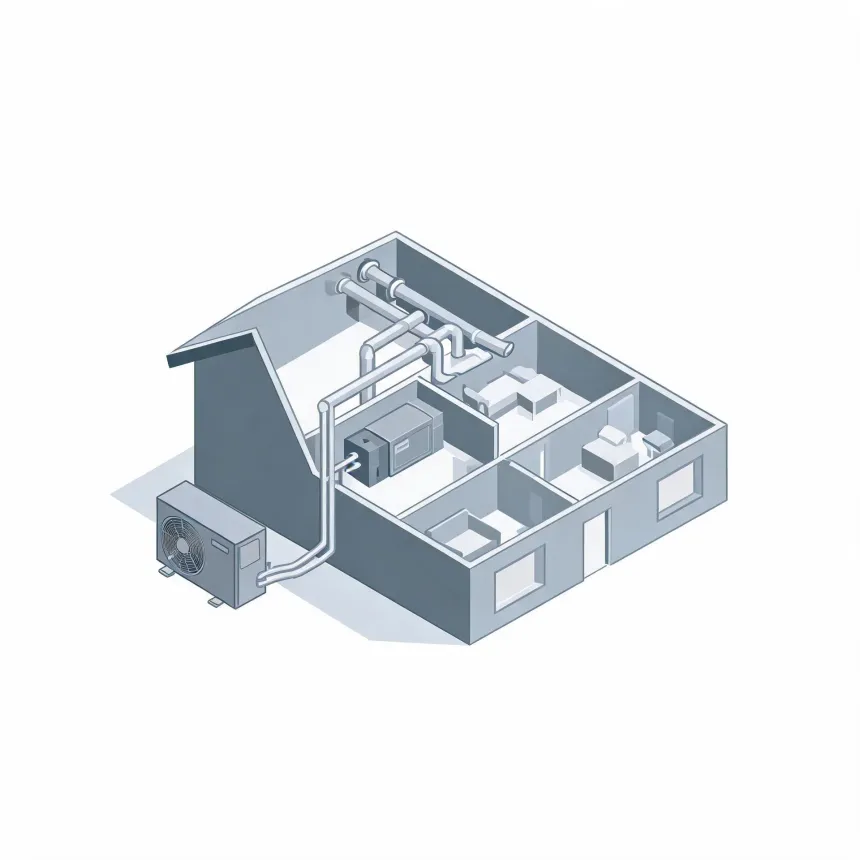
Routt County winters bring overnight lows averaging 11°F from December through February.
A heat pump works its hardest on cold mornings, which is when a weak part usually gives out.



A heat pump that's short cycling, running constantly, or not quite hitting the thermostat setting is pulling power the whole time it does it. At 14.92 cents a kWh, that shows up on a winter bill fast, and it keeps showing up every month the problem sits. A failing part rarely fixes itself. It just makes the system work harder to do the same job, or less job for the same power. Getting a contractor out to find the actual cause, whether it's a sensor, a valve, or the compressor itself, stops the bleeding sooner than waiting it out.
Nothing about this area is especially hard on it. It's most likely the usual problem with the usual fix.
Find a contractorA heat pump installed with a newer build still has most of its working life ahead of it. Ask the contractor what part actually failed before talking about anything bigger. A compressor or a reversing valve still under warranty, or still well within its years, is a repair job. Replacement is a different conversation, one that belongs to systems that came with the older half of the homes here, not this one.
A heat pump low on refrigerant makes the compressor work harder to move the same amount of heat. Run it like that for a few more weeks and the compressor can overheat or take on damage that wasn't there when the leak started. What would have been a line repair turns into a compressor replacement.
If the defrost control or a sensor is failing, frost builds on the outdoor coil instead of clearing. A thin layer still lets the system run. Left alone, that frost turns to ice, blocks airflow across the coil entirely, and the system has to work against its own buildup just to move any heat at all.
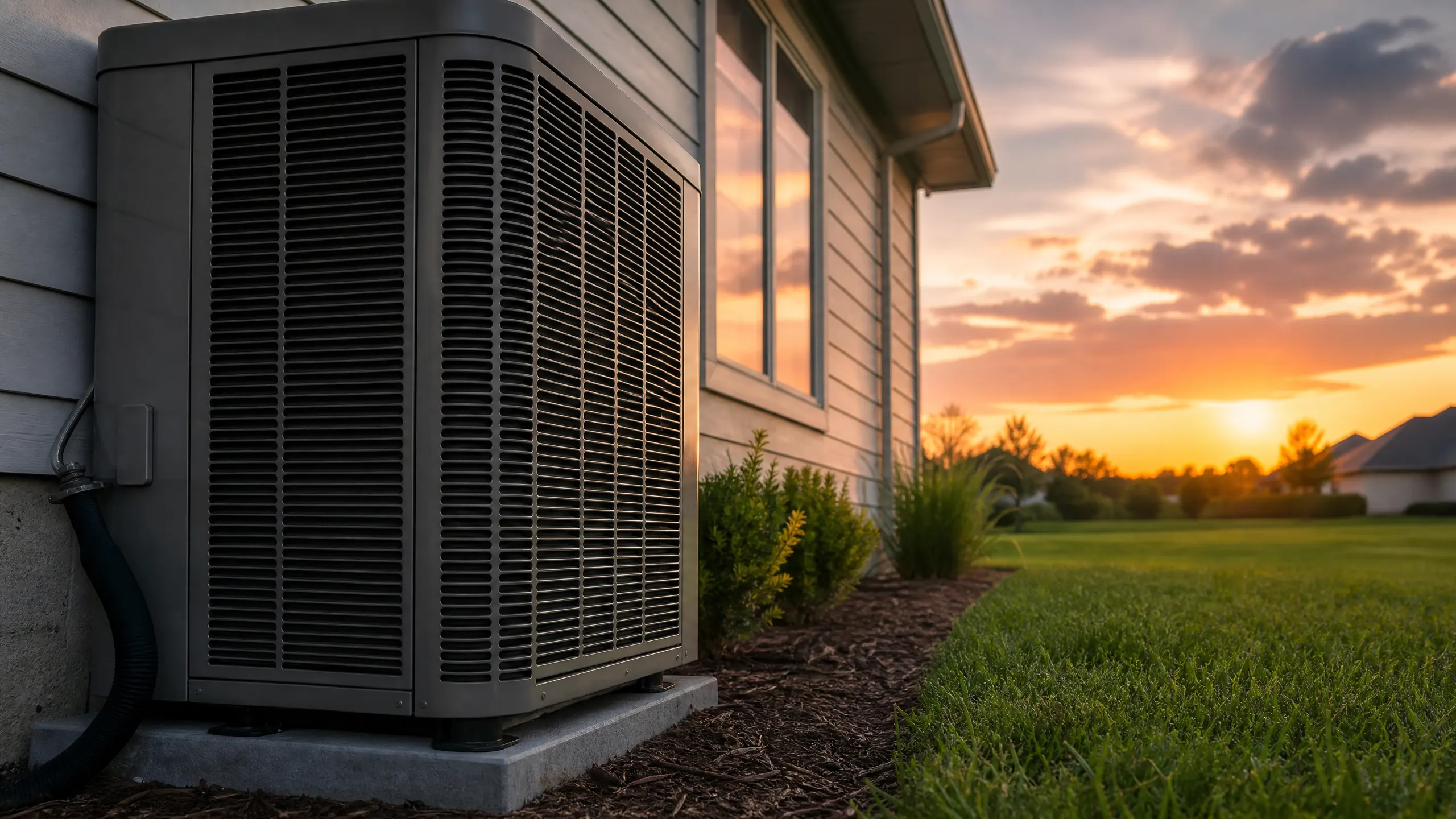
Most heat pump failures trace back to a handful of parts, and the reversing valve is a common one. It's what switches the system between heat and defrost, and it fails either stuck in one position or leaking internally, so the system runs but can't actually switch modes. The run capacitor is another. It gives the compressor and fans the push they need to start, and a weak one makes the outdoor unit hum or try to start without catching. Contactors wear from the arcing every time they open and close, and after enough cycles they pit and stop making good contact. The defrost sensor and board are worth mentioning too, since a bad reading there either skips defrost entirely or runs it when it isn't needed. None of these are rare. They're the parts doing the most work, cycling every time the system starts, stops, or switches direction, so they're the parts that give out first.
A diagnostic visit starts with the contractor finding out what the system is actually doing. Running constant but not heating. Short cycling. Stuck in defrost. Icing up outside. They'll check refrigerant pressure, test the capacitor and contactor, and watch how the reversing valve responds when it's told to switch. Most of that happens at the outdoor unit, since that's where the compressor and fans are, and where cold-weather wear shows up first. They'll also look at airflow across the indoor coil, since a weak signal there can look like a failing part when it's really just restricted air. By the end, the contractor should be able to point to the one part that's actually failed, not just the symptom it's causing.