






Illuminated timber-frame and stone houses along a residential street at night, with snow-capped mountains visible in the background.

Heat Pump Repair in Pueblo, CO

Tell us about the job

Takes about a minute. No obligation.

RepairHeat PumpPueblo County, CO
Step 1 of 2

What ZIP code is the job in?

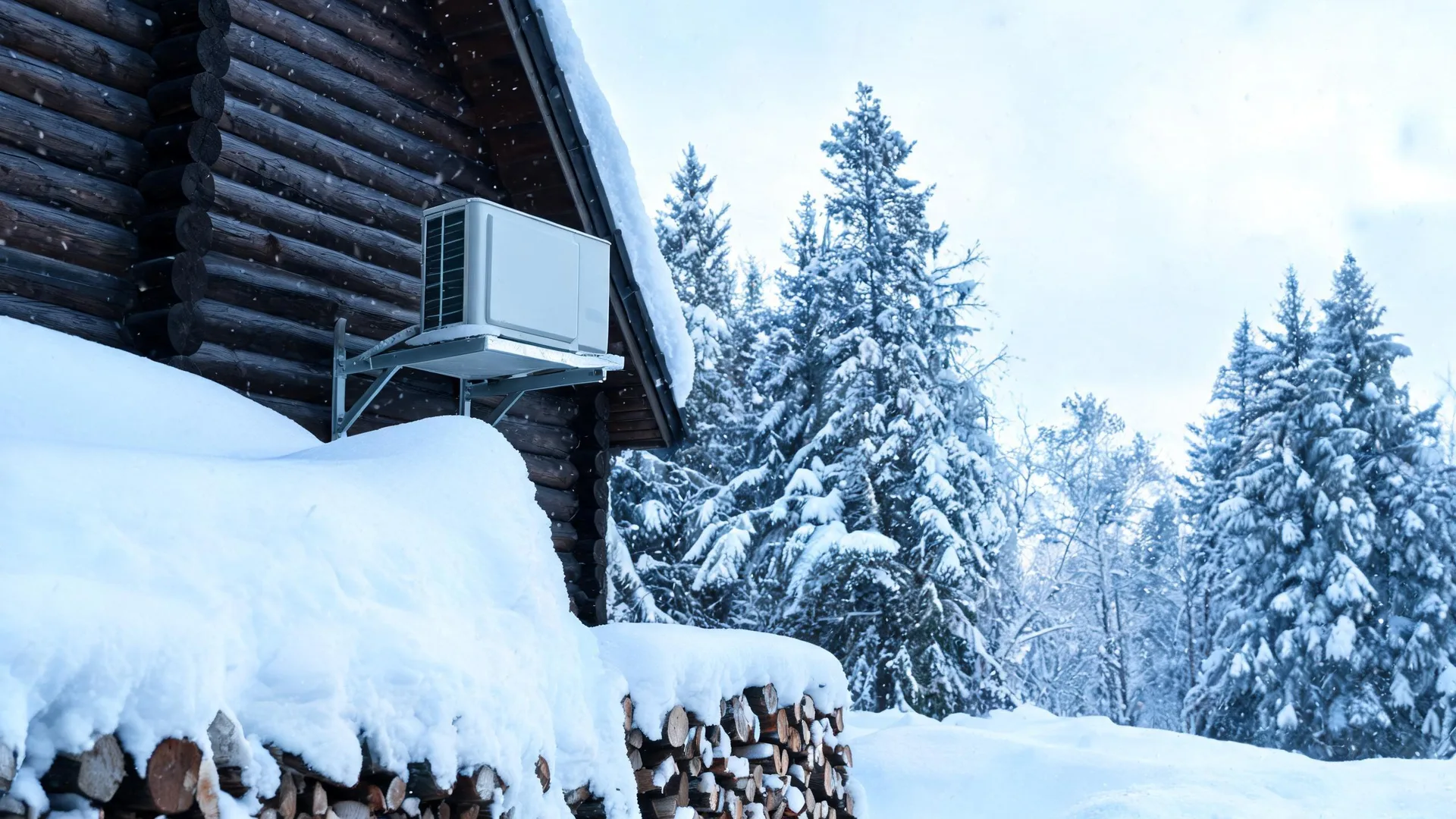
Pueblo County saw 552 severe weather events between 2015 and 2024. That includes 157 hail events, 209 bouts of damaging wind, and 184 winter storms with heavy snow or ice. The outdoor unit sits outside through all of it, taking whatever comes at the coil and the fan. Hail dents the fins, wind throws branches and grit into the cabinet, and none of that always shows up as a problem right away. A heat pump can keep running for a while with a bent coil or a damaged fan blade before it struggles to heat or cool the house at all.

8 months
October through May, your system heats
3 months
June through August, it cools
19°F
the average winter night it heats against
88°F
the average summer afternoon it cools against
Isometric cutaway illustration of a single-story house showing interior rooms with ductwork, an indoor air handler unit, and an outdoor condenser unit connected by lines along the exterior wall.
Your system heats October through May and cools June through August.

NOAA nClimDiv, 1991–2020 normals

Pueblo County has already logged 157 hail events and 209 bouts of damaging wind between 2015 and 2024.

That kind of pounding bends fins and fan blades years before it ever shows up as lost heat or lost cool.

A heat pump that's struggling still runs up the meter at 18.29 cents a kilowatt-hour

Power here costs 18.29 cents per kilowatt-hour
Climate zone 5B
Cooling runs June through August
Heat here starts in OctoberSeptember is when a weak part gets found, right before eight months of heat.

A bent fin or a chipped fan blade doesn't always announce itself. The unit still turns on, still blows air, and the house still seems fine for a while. What a technician checks is whether the coil is restricting airflow or the blade is out of balance enough to strain the motor, because either one adds up into higher bills and an earlier breakdown. Pueblo County has also logged 184 winter storms with heavy snow or ice, so the same outdoor unit takes a beating in every season, not just the ones that bring hail. Getting it looked at now, before the next freeze or storm, is how a repair stays a repair instead of turning into a replacement.

If the outdoor unit took a hit, get it checked before it quits

If hail or wind has hit the outdoor unit this year, don't wait for it to fail outright. A technician can check the coil and fan blade now and catch damage before it costs you a full system.

Find a contractor
A gray heat pump outdoor unit mounted on a concrete pad next to the stone-accented exterior wall of a house.

A problem that's ignored doesn't stay small

A heat pump that's low on charge or pulling dirty airflow doesn't fail outright. It keeps cycling, keeps producing some heat or some cool, and keeps drawing current to do it. The compressor is built to work harder when conditions push it that way, so it will, right up until something inside it gives out. A refrigerant leak gets worse the longer the compressor runs against it, because the compressor starts pulling in more heat than it can move and starts running hotter than it should. A motor bearing that's starting to wear doesn't fix itself with more hours on it either. Every cycle after the first sign of trouble is a cycle spent wearing down a part that was already weak, and a repair that catches it early is almost always smaller than the one that catches it after the compressor locks up or the motor seizes.

What you can check yourself

Look at the thermostat first. Make sure it's set to heat or cool as needed and that the batteries aren't dead. Check the breaker panel for a tripped breaker on the air handler or the outdoor unit. Pull the air filter and hold it up to a light. If you can't see light through it, swap it out. Walk outside and look at the unit itself. Leaves, grass clippings or ice built up around the coil will choke airflow, and clearing that away is safe to do by hand.
What to leave for a technician

Don't pull the panels off the outdoor unit or touch anything inside the cabinet. Refrigerant lines, capacitors and the compressor can hurt you even with the power off, since a capacitor holds a charge after the unit is shut down. If the breaker trips again after you reset it, stop resetting it and call someone. A unit that trips a breaker twice is telling you something inside is drawing current it shouldn't.

A heat pump that's losing charge or straining to push air still pulls full current from the panel. It just gets less heat or cool out of every kilowatt it uses. That gap shows up on the bill before it shows up as a breakdown, because power here already costs more than in most places. Waiting on the repair doesn't pause that cost. It just lets a weak compressor or a dirty coil keep drawing power while doing less with it, month after month, until the unit quits outright.

A diagnostic visit starts outside at the unit itself. A technician checks the coil for bent fins or debris, checks the fan blade for nicks or imbalance, and listens to the compressor on startup. Gauges go on the refrigerant lines to check the charge, because a system can run low without ever throwing an obvious signal. Inside, the technician checks airflow across the indoor coil and looks at the reversing valve, since a valve that's sticking will heat when it should cool or the other way around. Electrical connections get checked too, loose wires and worn contacts cause as many service calls as failed parts. By the end you get a straight answer: what's wrong, what it takes to fix it, and whether the fix is worth it against the age of the unit.