
AC Maintenance in Colorado
Homes in Colorado are newer than in 40 of the other 49 states.
Tell us about the job
Takes about a minute. No obligation.
- 83°Fsummer afternoon high where people live
- 1 monthof cooling, in July
- 14.92¢ per kWhwhat homes paid for power in 2024 (kWh means kilowatt hours, the unit on an electric bill)
- 4,421hail events from 2015 to 2024
Just one month of cooling a year. Hail and wind do the real damage.
- Hottest summers in Bent County, mildest in San Juan County
- Summer afternoons average 83°F where people live
- Cooling runs in July
- 4,421 hail events from 2015 to 2024
- 3,347 damaging wind events from 2015 to 2024
- 13% of homes lost power a day or more in 2024

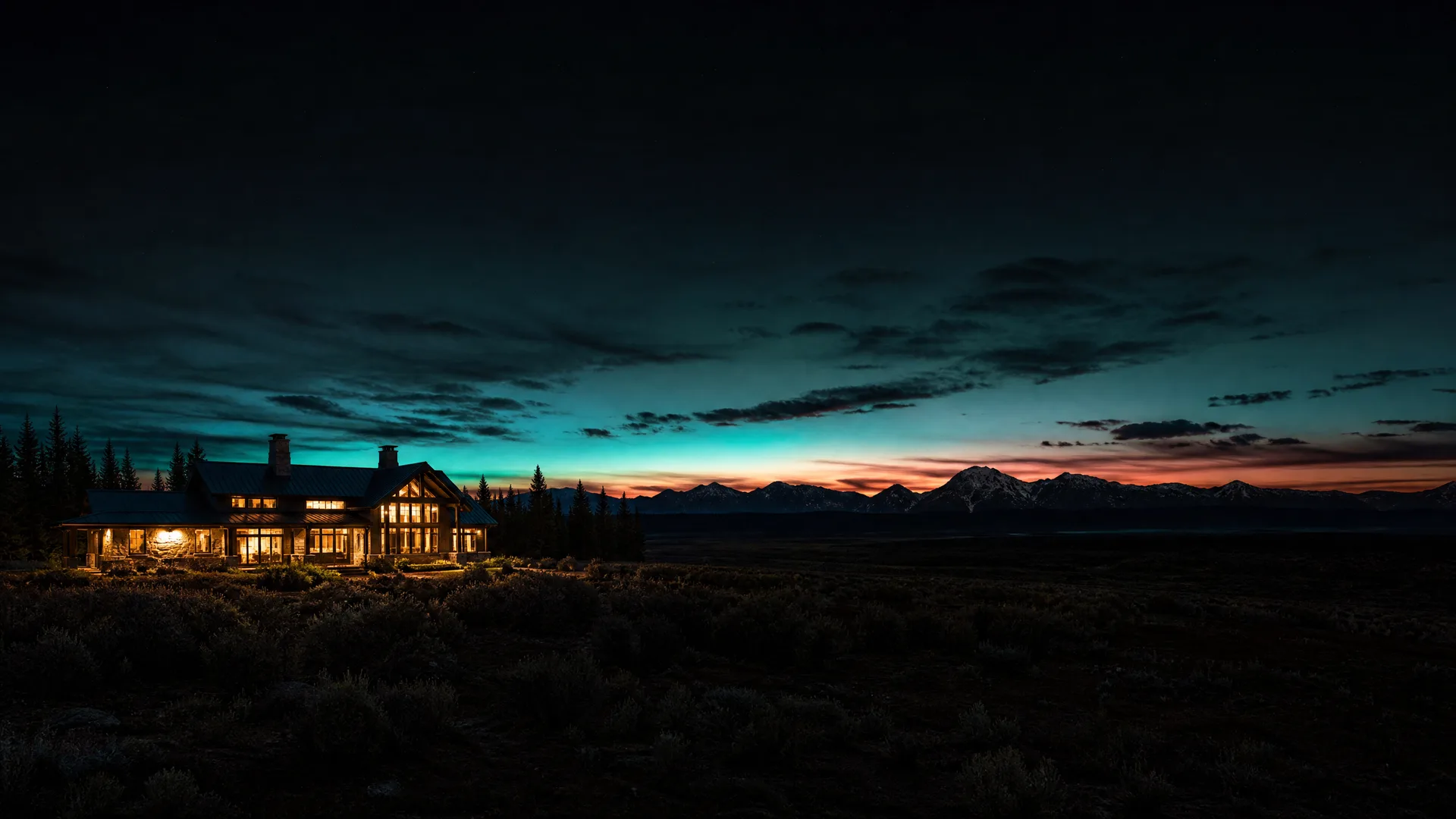
Newer homes mean systems with years left to protect
Half the homes in Colorado were built in 1988 or later. Most of the state's housing, 69.1%, is detached or attached single-family, the kind where the homeowner decides whether the system gets looked at every year. Only 3.5% are mobile homes. A house from 1988 or later is still under forty years old, and a lot of the furnaces and air conditioners inside these homes have more working life ahead of them than behind. A system like that is worth keeping that way. A yearly check is what catches a weak capacitor or a dirty coil while it's still a small thing, and it does more good for a system with years left than for one already near the end of its life.

Bent County sees the hottest afternoons in the state, averaging 91°F through June, July and August. A system working against that kind of heat all summer is worth checking before the season starts, not after it starts struggling.
San Juan County barely asks anything of an air conditioner, with summer highs averaging 63°F. If your home is up there, the check matters less for heat and more for making sure the unit survives sitting idle most of the year.
One month of cooling, so June is when to check it
July is the only month Colorado homes call for cooling. June comes right before it, with the system still quiet, which makes it the time to get the unit checked. Colorado runs cooling for fewer months than 42 of the other 49 states, so this unit sits unused most of the year. A problem in a system like that will not show up until July puts the first real load on it.
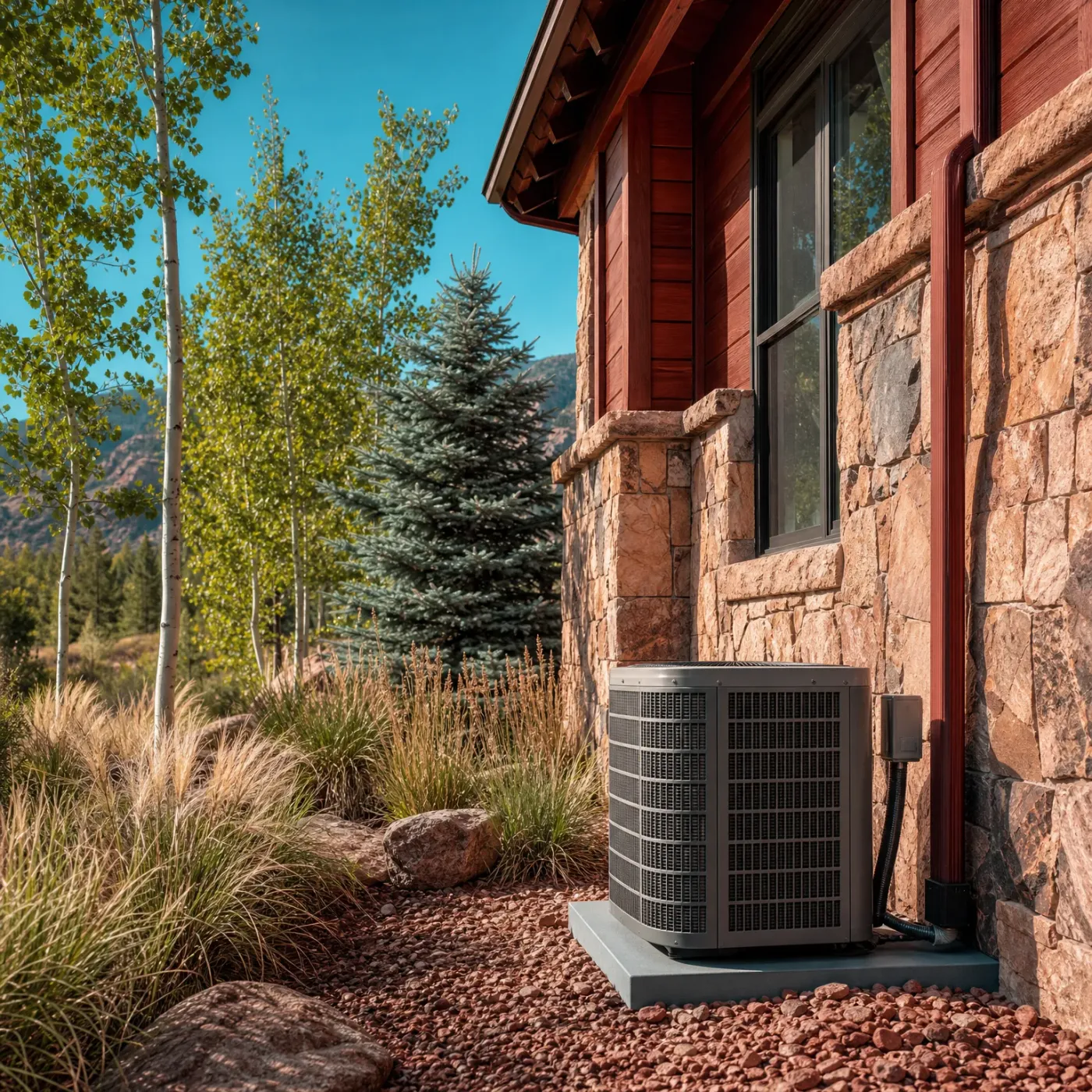
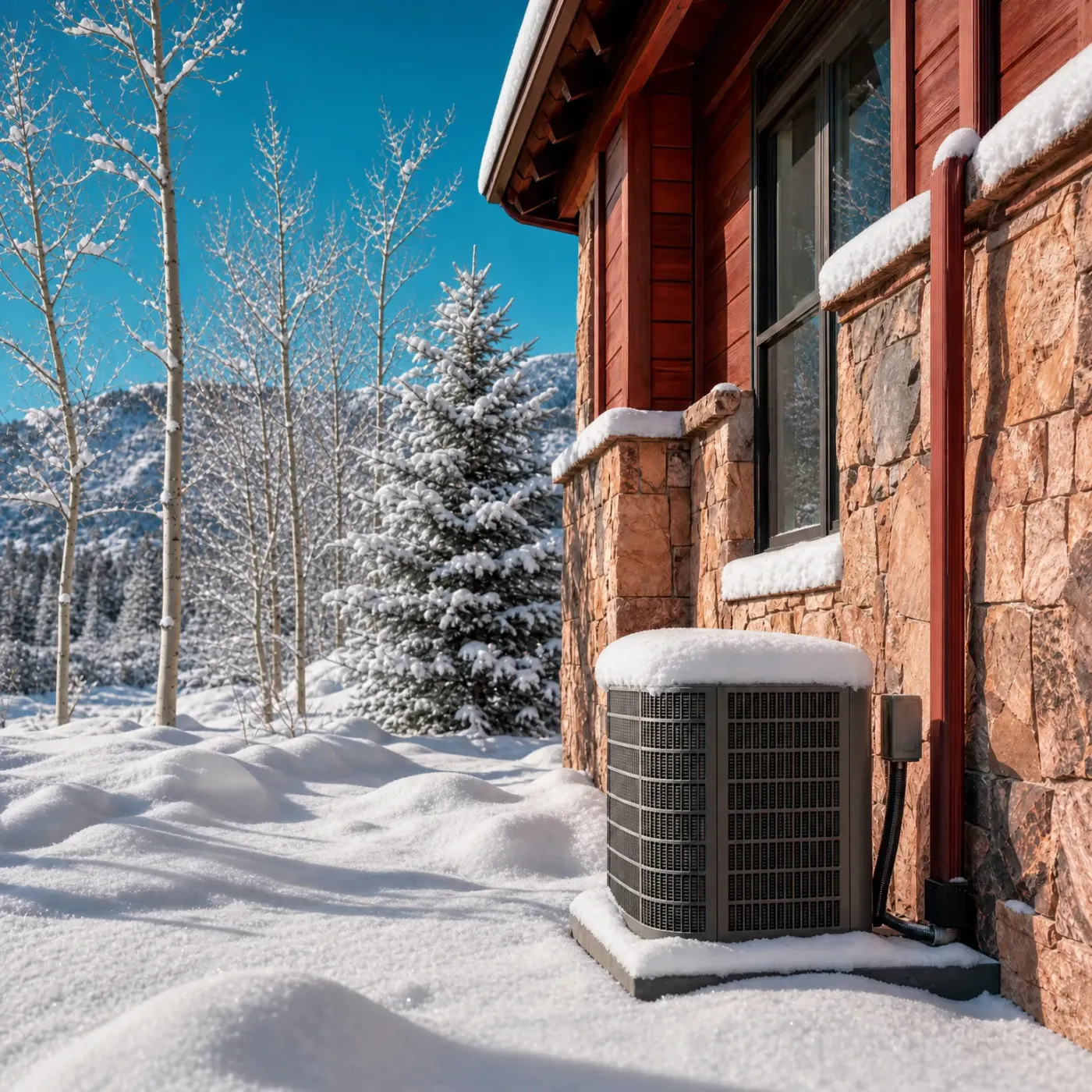
1 month of cooling, in July
9 months of heat, September through May
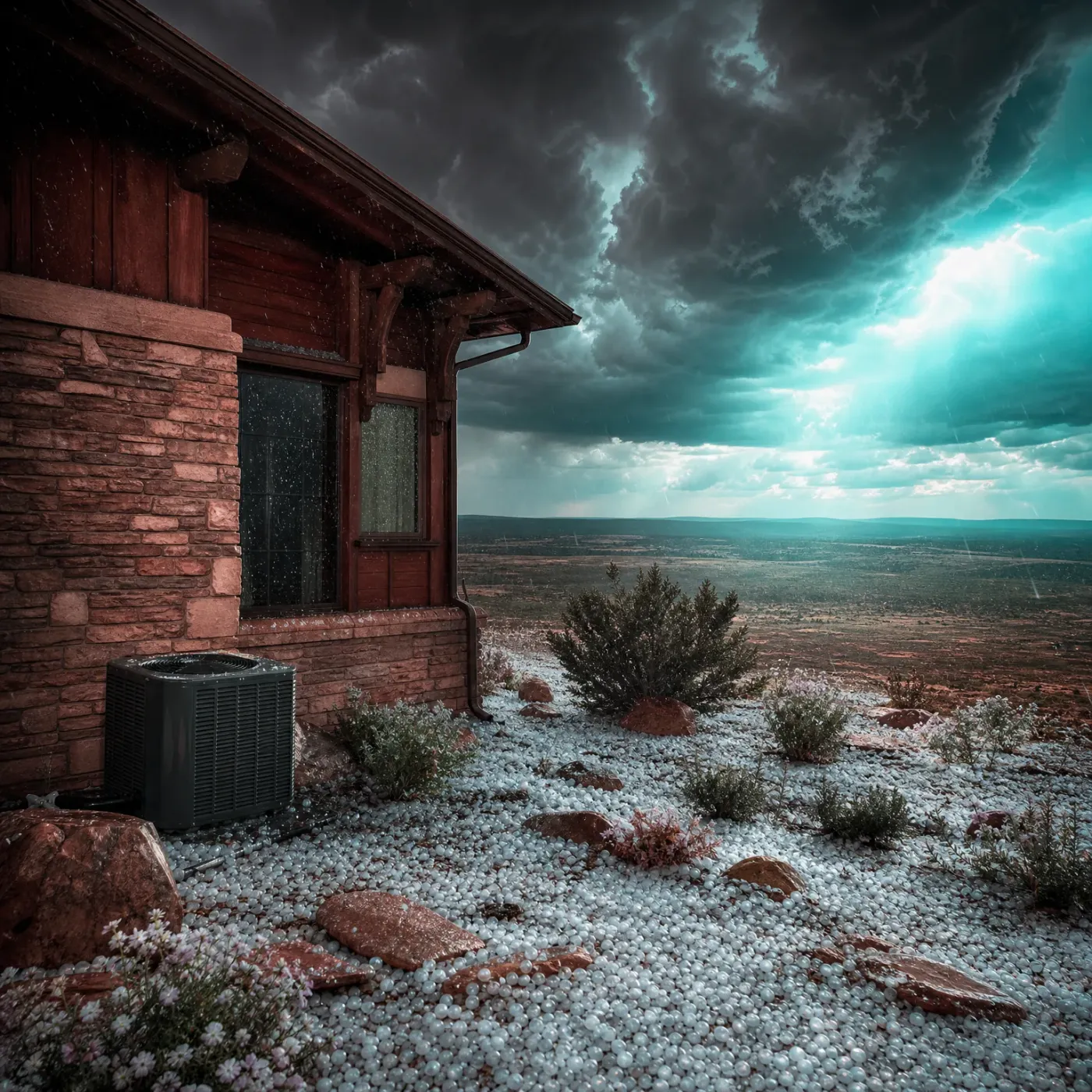
Colorado gets hit by severe weather more than almost any other state. The state logged 10,880 severe weather events between 2015 and 2024, more than 47 of the other 49 states when you look at where people actually live. El Paso County carries the heaviest storm record in the state, with 1,277 of those events.
Hail is a big part of that. Colorado saw 4,421 hail events in that span, more than every other state in the country. One hailstone measured 5.25 inches across. An outdoor AC unit has thin aluminum fins wrapped around its coil, and hail that size bends them flat, which blocks the airflow the system needs to work.
Wind does its own damage. Colorado logged 3,347 damaging wind events over the same stretch, and the strongest gust measured hit 129 mph. Wind like that throws branches and debris into an outdoor unit and can rock it hard enough to strain the refrigerant lines running to it.
Tornadoes touched down 445 times in Colorado between 2015 and 2024, one of them rated EF3. Winter storms, the heavy snow, ice and blizzard kind, affected the state 2,634 times in that span. Lightning caused damage 33 times. None of that is the heat load an AC is built for, but it all lands on a unit that sits outside and unused most of the year.
Power matters too. In 2024, 13% of Colorado households lost power for a day or more, though that's a smaller share than in 34 of the other 48 states with a figure. Most central air conditioners come back on by themselves once power returns, but a long outage during a heat spell still means no cooling until it does.
What does an AC in Colorado face?
How hot do summer afternoons get?
83°Faverage afternoon high where people live
Alaska66°F
Arizona101°F
How many months does the cooling run?
1 monthof cooling a year
Alaska0 months
Hawaii12 months
What does electricity cost?
14.92¢per kWh, what homes paid in 2024
North Dakota11.51¢
Hawaii42.86¢
How often do storms hit?
455severe weather events per county from 2015 to 2024
Alaska5
Wyoming1,057
How many homes lost power for a day or more?
13%of homes in 2024
Arizona7%
Maine54%
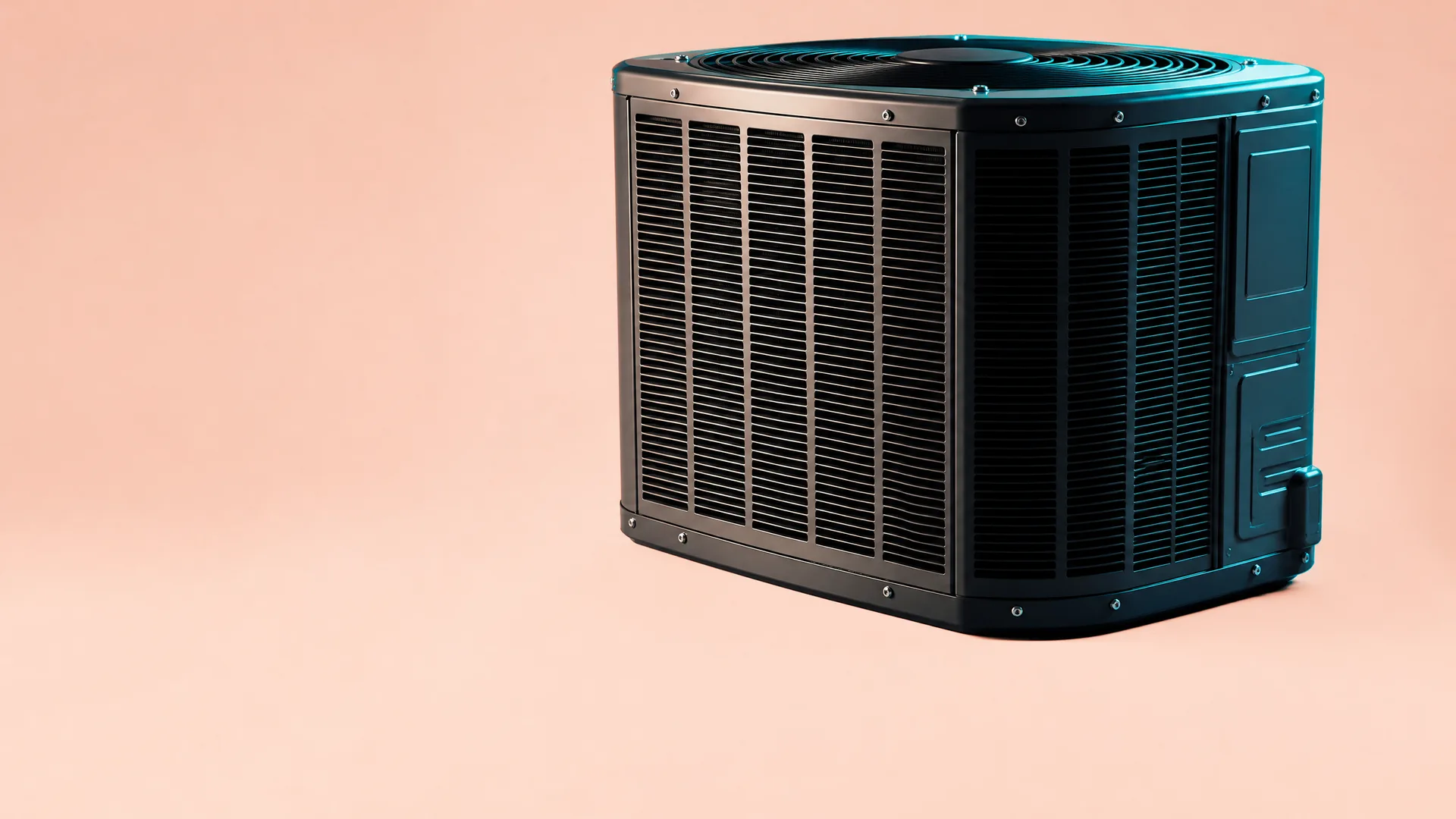
One month to get it right
July puts load on parts that have sat still since last summer. A capacitor can weaken over the winter without any sign of it, since nothing calls on the system to prove itself until that first hot day. There's no mild stretch beforehand to catch a problem early, the way a slow warm-up in other states might. Checking the unit in June, before it has to run, is the only way to find a weak part on your schedule instead of July's.
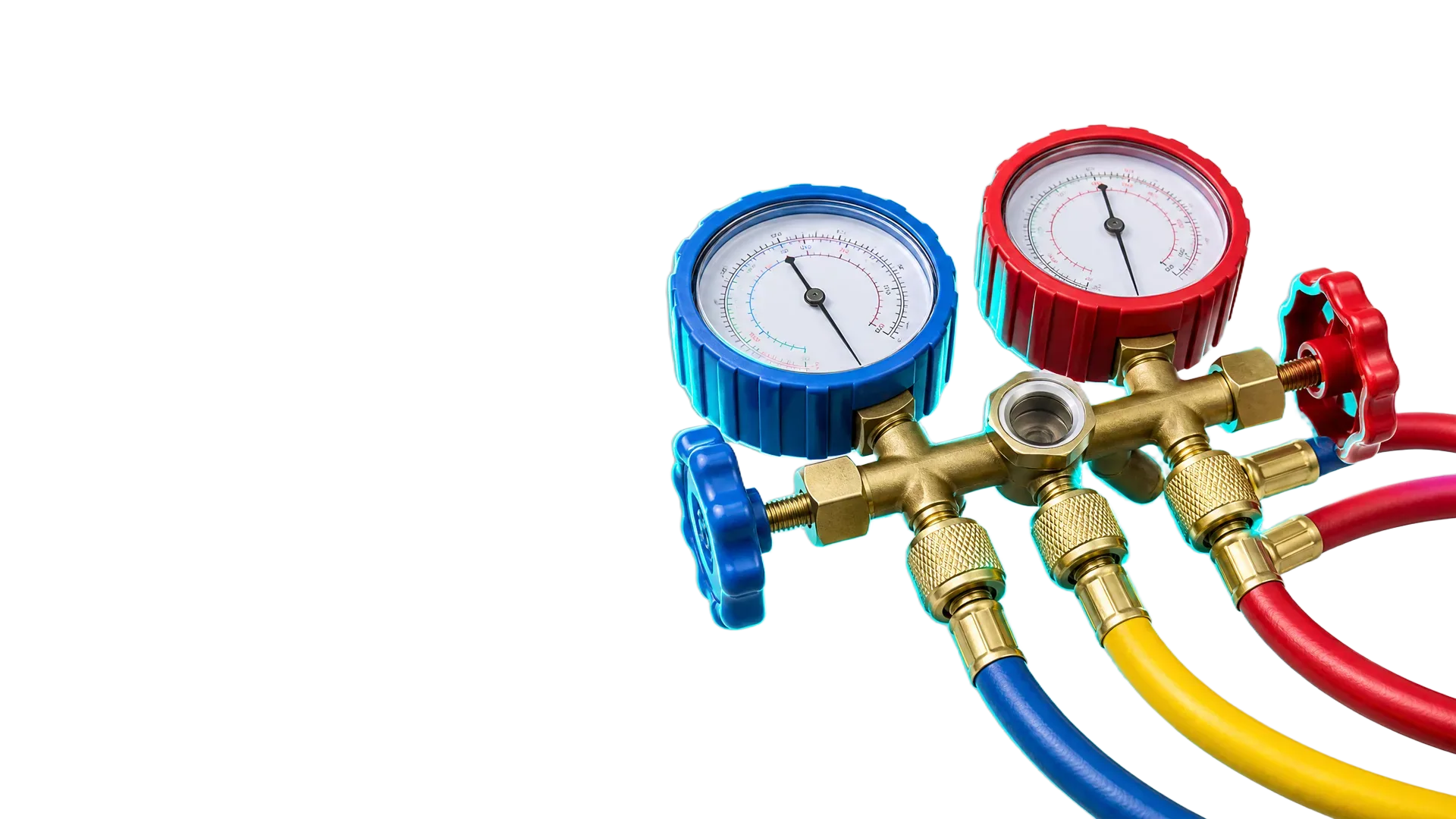
What a filter, a coil and a drain line have to do with it
The filter is the cheapest thing to check and the first thing worth checking. A clogged one starves the system of airflow, and the coil behind it can't pull heat out of the air it isn't getting. Airflow problems show up as ice, oddly enough. The indoor coil gets too cold, moisture on it freezes instead of draining, and a system that's actually overheating ends up coated in frost. The outdoor coil has its own problem, just dirt and debris sitting in the fins, blocking the heat the system is trying to throw off. Either coil dirty enough, and the compressor behind it works harder to do the same job, which is how a maintenance issue turns into a repair. Then there's the drain, the part nobody thinks about until water shows up somewhere it shouldn't. It carries condensation out of the system, and when it clogs, that water backs up into the pan under the coil and from there into the house. None of these parts fail loudly. They just quietly make the system work harder, or they let water go where it isn't supposed to go, until something downstream finally gives out.
Newer homes, systems with years left
Half the homes in Colorado were built in 1988 or later, and most of the state's housing is detached single-family, the kind where the homeowner is the one who decides whether the system gets looked at. A furnace or AC installed with a newer house still has plenty of working life left in it. A yearly check during that life is what keeps a capacitor or a coil from turning into a bigger repair, and it's a lot more useful on a system with years ahead of it than on one already near the end.
Severe weather hits Colorado more than almost anywhere else, and the outdoor unit sits outside taking all of it.
Tell us about the job
Takes about a minute. No obligation.
Fill out the form and a licensed contractor near you takes it from there.