A snow-covered small-town street at dusk, lined with illuminated two-story houses and a grain elevator on the horizon.

Heat Pump Repair in Fort Morgan, CO

Tell us about the job

Takes about a minute. No obligation.

RepairHeat PumpMorgan County, CO
Step 1 of 2

What ZIP code is the job in?

Winters here test the system, not break it

Overnight lows average 16°F in December, January and February, so your heat pump leans on its backup heat more than it would somewhere milder. That's normal wear, not a sign your unit can't handle Fort Morgan winters.

The cause is usually mechanical, not weather

Morgan County sees plenty of hail and wind, but a heat pump that's cycling wrong, short-cycling, or not heating evenly is almost always dealing with a worn part, like a failing defrost control or a low refrigerant charge, the same issues that show up anywhere this machine is installed.

8 months
October through May, your system heats
3 months
June through August, it cools
16°F
the average winter night it heats against
88°F
the average summer afternoon it cools against
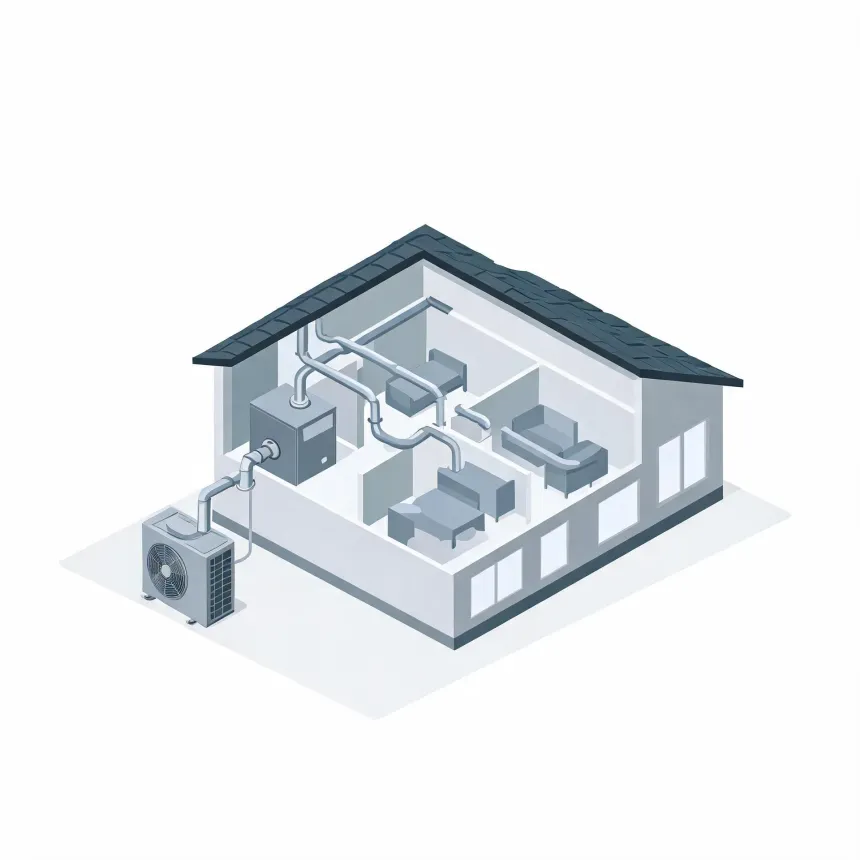
Isometric cutaway illustration of a single-story house showing an indoor air handler, branching ductwork through rooms with furniture, and an outdoor condenser unit connected by a line outside the wall.
Your system heats October through May and cools June through August.

NOAA nClimDiv, 1991–2020 normals

Heat pumps here switch over to heating in October.

September is the month to get a weak part checked, before the first cold stretch puts load on it.

A heat pump that's struggling costs you more here every month it runs that way

Power costs 14.92 cents a kWh statewide
55 damaging wind events from 2015 to 2024
103 hail events from 2015 to 2024

Morgan County sees its share of hail and wind, and winter storms roll through most years. None of that is what usually takes a heat pump down. A storm can knock out power or dent a cabinet, but most repair calls trace back to a part wearing out on its own schedule, not a weather event. If your heat pump is short-cycling or running without catching up, look at the component first. A failing capacitor or a stuck reversing valve causes the same problem in a mild county as it does here. The weather is a side note, not the cause.

Find the part that's failing, not the age of the house

Half the homes in Morgan County were built in 1975 or earlier, half in 1975 or later. That split doesn't point to one cause over another. A heat pump in an older house and a newer house runs into the same worn parts, a failing capacitor, a stuck reversing valve, a defrost control that's lost its timing. Get the actual part checked before the next cold stretch adds load to it.

Find a contractor
A man in a gray long-sleeve shirt and brown work pants, seen from behind, climbs wooden porch steps toward a red door while carrying a canvas tool bag holding pliers and screwdrivers, with a potted plant at right.
A gray heat pump outdoor unit mounted on a concrete pad next to a residential house with lap siding and stone accents.

Running it longer doesn't fix it, it just wears the compressor

A heat pump that's cycling wrong doesn't settle down on its own. Every cycle it completes with a bad reversing valve or a weak capacitor puts the same strain on the compressor as the last one did, and the compressor is the part worth protecting. Short-cycling means the unit is starting far more often than it should, and the start is the hardest moment in the whole cycle, the point where the motor draws the most and the parts wear the most. A defrost control that's lost its timing can let frost build on the outdoor coil until the unit is trying to move heat through ice instead of air. None of that improves with more runtime. Shut it down and get the part checked, and a contractor is replacing one worn component. Keep running it and the compressor is next in line.

Listen for what changed

A heat pump that used to run quiet and now clicks, buzzes, or hums without starting is telling you something failed. A loud clunk at startup or shutdown often points to the reversing valve. A hum with no spin points to a capacitor that can no longer push the motor into motion.

Watch what air comes out of the vents

Air that feels cool when the system is set to heat usually means the reversing valve is stuck in the wrong position. Sometimes the system is stuck in defrost and not switching back instead. Either way, get the part looked at before the compressor absorbs the strain.

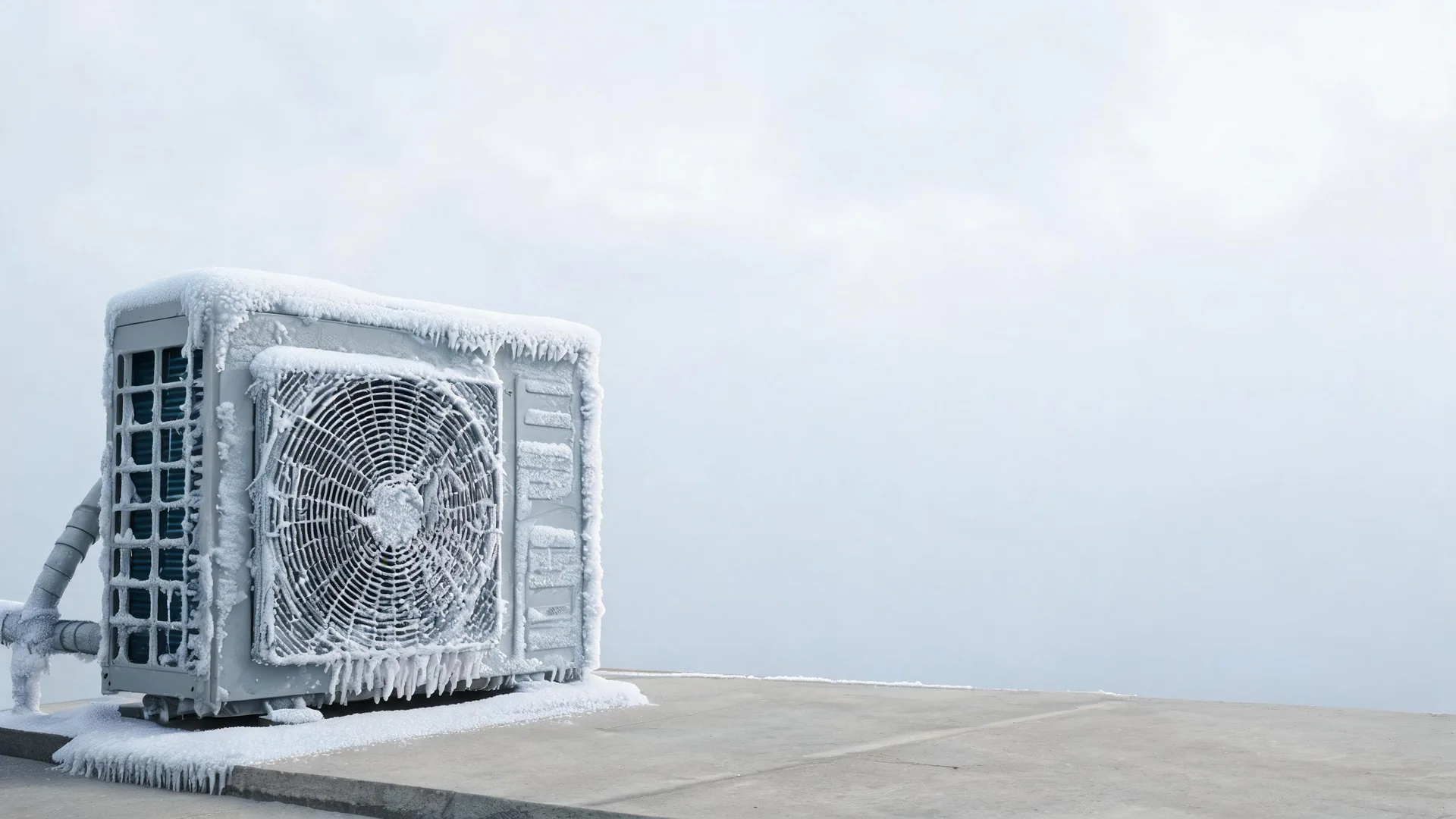
Before you call, check the thermostat batteries and the setting itself, it's easy to bump into cool mode by accident. Go outside and look at the outdoor unit. If the coil is caked in ice or snow, that's worth noting but don't chip at it or hose it off, you can bend the fins or crack a line. Check the breaker panel, a tripped breaker will shut the whole system down with no other symptoms. Look at the air filter too, one that's packed with dust chokes airflow and can make the system struggle in ways that look like bigger problems. If the outdoor fan isn't spinning at all while the indoor blower runs, or you smell anything burnt, turn the system off and leave it off. None of these checks require opening the cabinet or touching refrigerant lines, that part is for a contractor.

A diagnostic visit starts outside at the unit, not in a manual. A contractor checks pressures, the temperature coming off the coil, and the amp draw on the compressor before a panel ever comes off. Those readings point toward the failing part rather than a guess. A capacitor gets checked under load. A reversing valve gets checked by listening for it to shift and feeling which lines run hot. A defrost control gets checked against the actual frost sitting on the coil. Airflow gets checked too, since a weak capacitor and a choked filter can look alike from the thermostat. The visit ends with the failing part named, not a list of things that might be wrong.