



Illuminated timber-and-stone mountain cabins along a curved road at twilight, with lit trees and mountain peaks in the background.

Mini Split Installation in Aurora, CO

Tell us about the job

Takes about a minute. No obligation.

New system or replacementMini-splitArapahoe County, CO
Step 1 of 2

What ZIP code is the job in?

Gas heats 65.4% of occupied homes in Arapahoe County, and most of the rest run on electricity. A mini split usually adds to one of these systems rather than replacing it, covering a room or addition the main system does not reach well. If your home heats with gas, the furnace keeps doing the work it already does, and the mini split handles the space you are adding it to. Worth checking what your current setup is before comparing quotes, since that changes what the installer needs to account for.

8 months
October through May, your system heats
3 months
June through August, it cools
16°F
the average winter night it heats against
86°F
the average summer afternoon it cools against
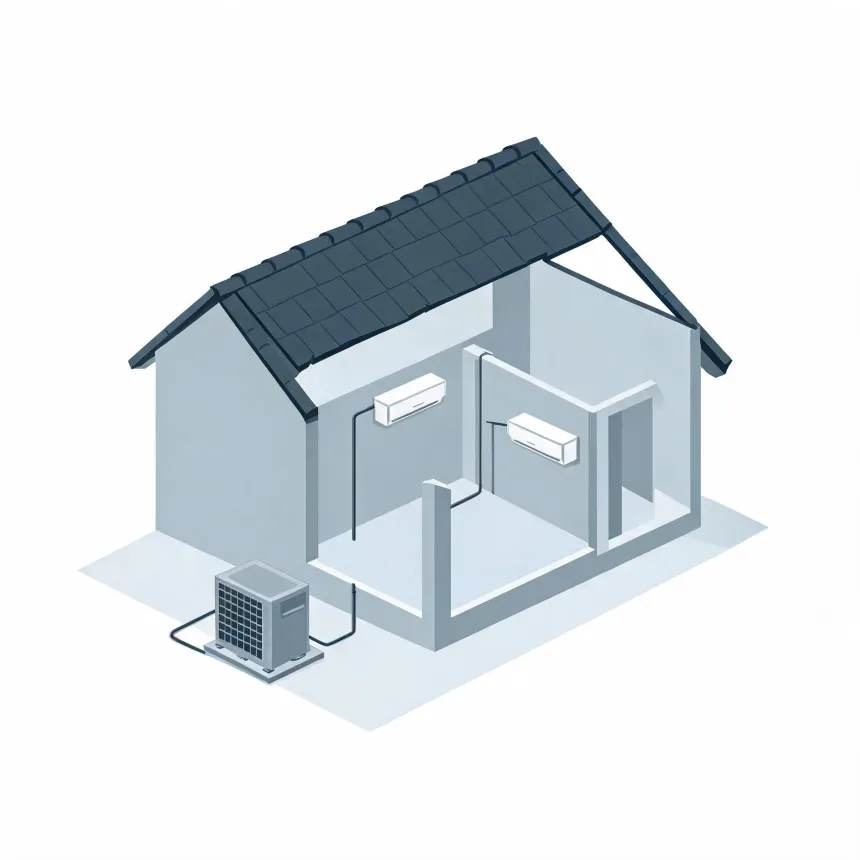
Isometric illustration of a cutaway house with a dark tiled gable roof, showing two wall-mounted indoor split air conditioning units connected by lines to an outdoor condenser unit on the ground outside.
Your system heats October through May and cools June through August.

NOAA nClimDiv, 1991–2020 normals

Cooling here runs June through August.

Have the mini split in place before May, so the install isn't competing with the first hot week.

Power here runs 14.92 cents a kWh, so payback on the priciest model takes longer than the sales pitch says

Power costs 14.92 cents a kWh statewide
Cooling runs June through August
Summer afternoons average 86°F

Summer here is short, three months of real heat, with afternoons averaging 86°F in June, July and August. A mini split sized for that load doesn't need extra capacity for conditions this county doesn't see. Standard sizing, matched to the room it's covering, does the job. Where it's worth paying attention is the mounting. Arapahoe County sees frequent hail and damaging wind, so the outdoor unit's location and how it's secured matter more than squeezing out another efficiency point.

Replace it before the season

Replace it before the season starts, so it happens on your schedule, not in a hurry.

Find a contractor
A white outdoor air conditioner condenser unit mounted on metal wall brackets against gray horizontal siding, with a blue sky and white clouds behind it.

The number on the label is a comparison, not a promise

The rating on the label tells you how much heat the unit moves for the power it uses. It is not a prediction of how warm or cool it can get a room. A higher rated unit moves more heat per unit of power than a lower rated one, and that gap matters most on the days the system runs longest. It matters least on the days it barely runs at all. The number comes from a test done under set conditions in a lab, so the unit will not hit that exact figure in the field. Heat moves differently on a mild afternoon than it does on the coldest night of the year. Where the rating earns its keep is in comparing one unit against another, not in telling you what either one will actually do in the room it ends up in.

How many zones you're running

A single indoor head costs less to put in than a setup with several heads tied to one outdoor unit. Each added zone means another line set, another mounting job, and another spot on the wall or ceiling that has to be framed and finished. Planning for a zone up front costs less than adding it after the fact.
Where the line set has to travel

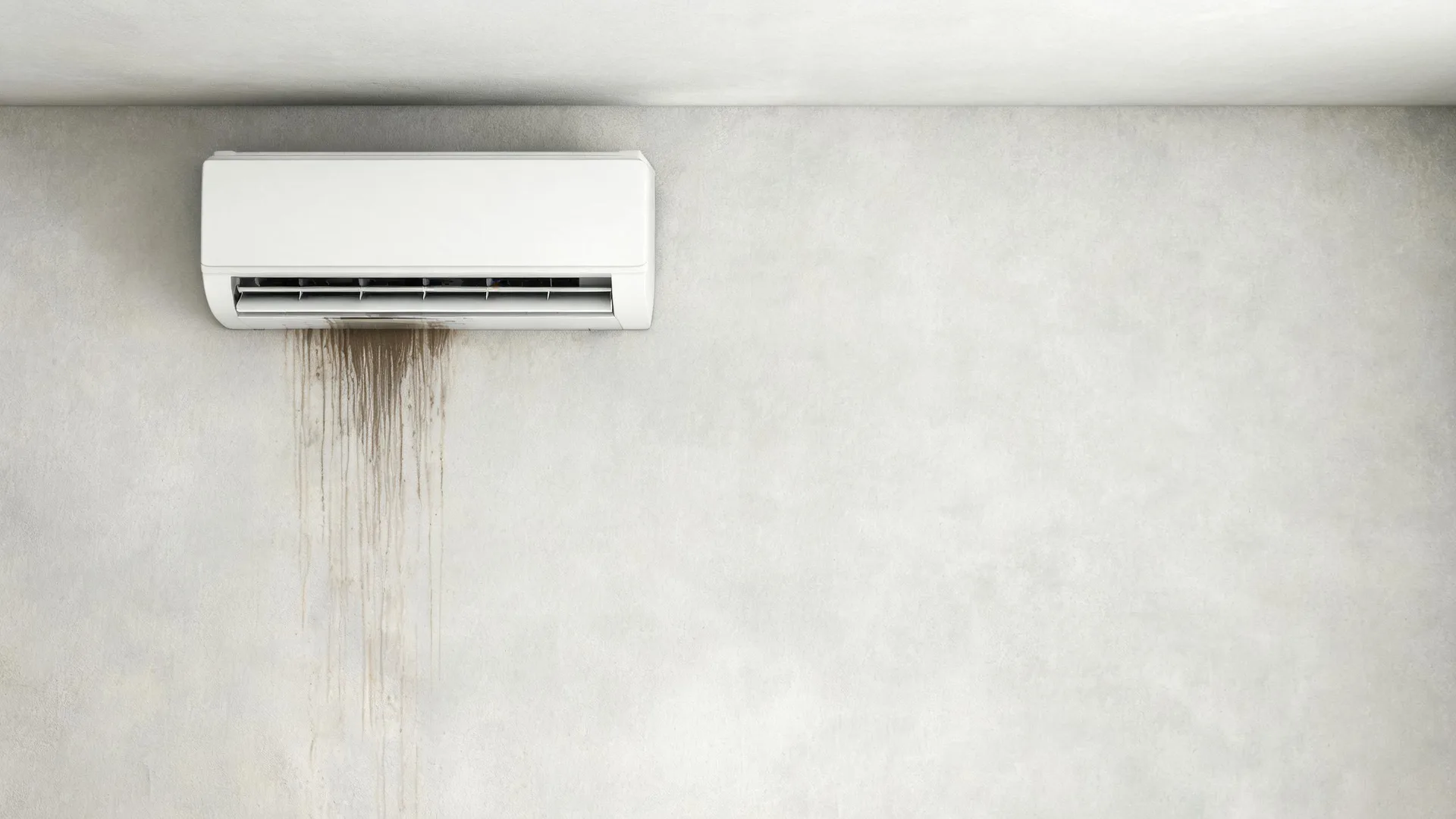
The refrigerant line running between the indoor head and the outdoor unit has to go somewhere, through a wall, up a chase, along an exterior run. A short straight path is quick work. A line that has to clear framing, turn corners, or cross a finished ceiling takes longer and takes more material, and that shows up in the bill.

Sizing a mini split is not the same as picking the biggest unit that fits on the wall. An oversized head cools the room fast, then shuts off, then kicks back on a few minutes later. That cycling is harder on the compressor than running steady, and the room swings between too cold and too warm instead of holding. It also does a poor job on humidity, since a unit that shuts off quickly never runs long enough to pull moisture out of the air. Too small, and it runs constantly on the hottest afternoons and still falls short. Getting it right means working from the room itself, its square footage, its ceiling height, how many windows it has and which way they face. A tech works through that math rather than guessing from the size of the room next door.

If you're getting more than one quote, make sure each one is pricing the same job. One installer might spec a single zone where another splits the same space into separate heads, and those numbers won't mean anything side by side. Ask each one to walk through why they chose the capacity they did, not just what it costs. Ask what happens to the line set and the wall sleeve, since a patch job looks different from one contractor to the next. Ask who handles the electrical, since a mini split needs its own circuit and not every quote includes that work. And ask what's covered if the outdoor unit or the line set gets damaged after it's in, since that answer tells you more about the installer than the brand of equipment they're selling.