Most homes here run on gas
Utility gas heats 63.4% of occupied homes in Eagle County, with electricity a distant second at 30.1%. A furnace is the default in most houses here, not a heat pump or electric baseboard.
Takes about a minute. No obligation.
Utility gas heats 63.4% of occupied homes in Eagle County, with electricity a distant second at 30.1%. A furnace is the default in most houses here, not a heat pump or electric baseboard.
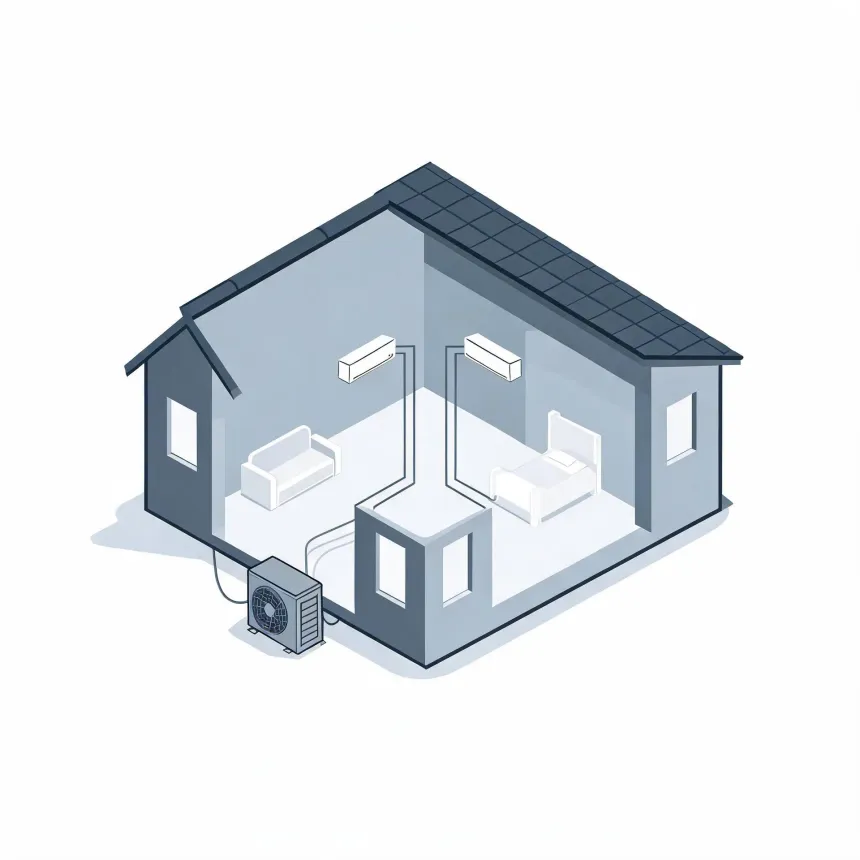
If your home heats with gas, a mini split usually goes in alongside the furnace rather than replacing it, handling a room or zone the ductwork doesn't reach well, or taking over cooling. The installer can tell you whether your layout calls for one head or several.
Summer afternoons in Gypsum average 73 degrees, and June through August rarely ask for much cooling at all.
A mini split here is doing light duty, so a dependable mid-range system is enough.



Colorado electricity ran 14.92 cents a kilowatt-hour in 2024, cheaper than a lot of the country. That changes the math on which mini split to buy. A top-tier inverter unit costs more up front, and the savings it earns back come slower when power is already this cheap. A mid-range system will cost less to run than people expect, and it'll do the job. Put the extra money toward a unit that's sized right and installed well instead of chasing the highest efficiency number on the shelf.
Gypsum falls under zone 6B, a cold climate with winters that run long. Any mini split counts as a split-system heat pump under the federal standard, so units made from 2023 on have to meet 14.3 SEER2 for cooling and 7.5 HSPF2 for heating. That's the floor every system has to clear, not a special ductless rule. Systems that meet it may also qualify for the federal tax credit on qualifying heat pump installs.
Find a contractorMost of what you pay for is the labor, not the box on the wall. The outdoor unit and the indoor head are a smaller share of the cost than people expect. Running the line set between them is where the time goes. A tech has to drill through the wall, route the refrigerant lines, run power, and set a condensate drain so the indoor unit has somewhere to send the water it pulls out of the air. A straight run through one wall is quick work. A run that has to climb through an attic or snake across a long stretch of siding is not. Add a second or third indoor head and you're adding another full line set and another mounting job, not just another unit. Where the outdoor unit sits matters too. It needs clearance on all sides to pull air through the coil, and it needs to sit above where snow piles up, which sometimes means a wall bracket or a raised pad instead of just setting it on the ground. None of that shows up in the price tag on the equipment, but it shows up in the invoice.
Every heat pump loses capacity as the air outside gets colder, and the spec sheet should show output at low temperature, not just at rated conditions. Ask the installer what the unit actually puts out at the coldest nights you get, and whether it still covers the room at that point or whether you'd be leaning on backup heat.
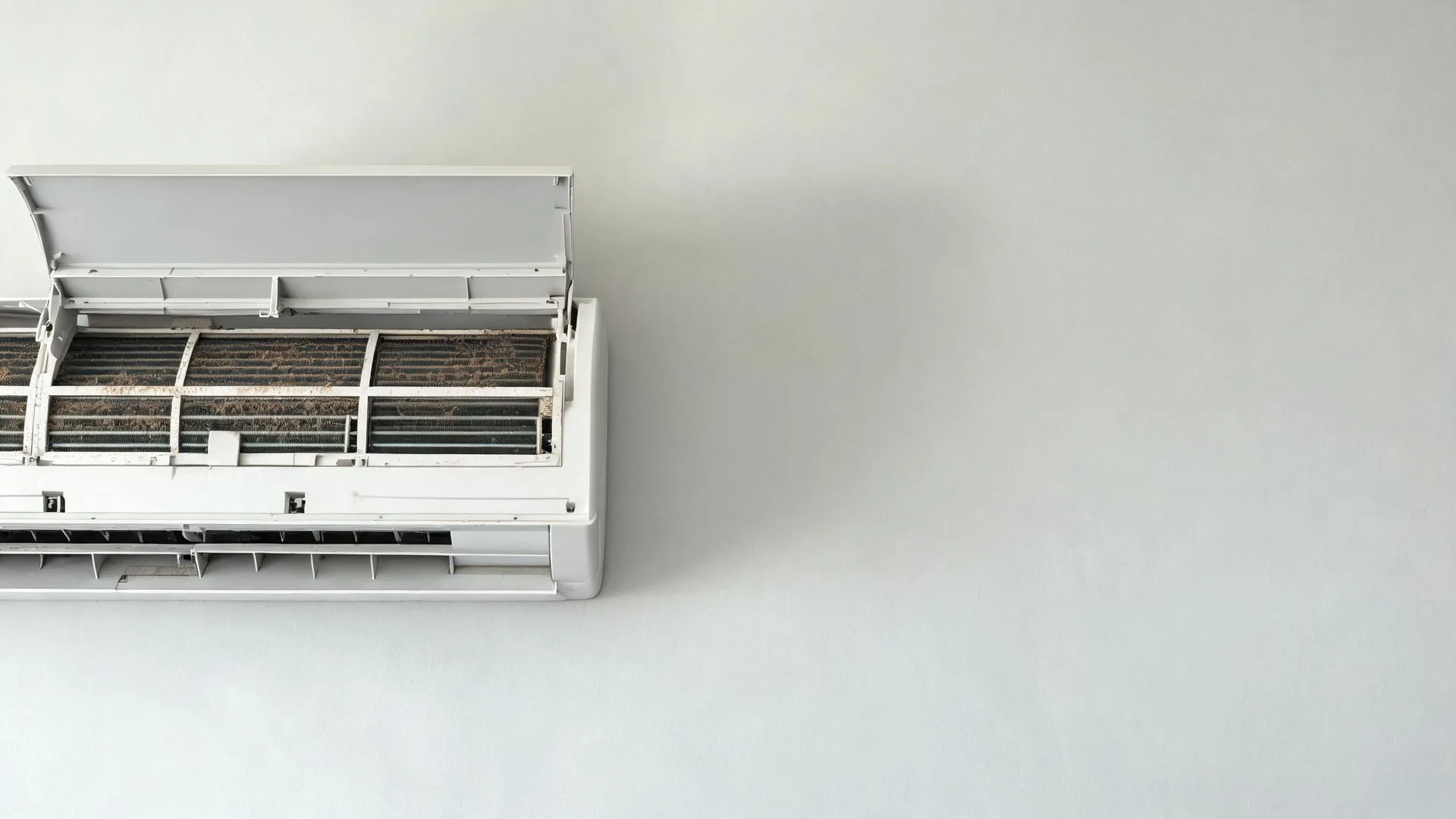
A mini split needs its filters cleaned and its outdoor coil kept clear of debris and snow to keep running the way it did on day one. Ask which company handles warranty work on the brand you're buying and how far they have to travel to reach you, because the install is only the start of owning one.
If the mini split is going in alongside the furnace, the furnace doesn't change at all. It keeps running the zones it already covers, and the mini split only takes over where you point it, usually one room or one problem area. If you're actually removing an old system, like a window unit or electric baseboard, that's a separate step from the install itself, and it's worth asking the installer whether they handle that removal or whether it's on you to deal with. An old window unit just comes out. Baseboard heaters involve a wire that has to be capped off safely, not just unplugged. Either way, don't assume the old equipment's disposal is bundled into the mini split quote unless you've asked.
Installation starts with the walk-through. The tech looks at where the indoor head can go, where the outdoor unit can sit, and how the line set gets from one to the other, then marks the wall. After that it's a hole saw through the wall for the line set, mounting the indoor head on its bracket, and setting the outdoor unit on its pad or bracket outside. The lines get connected, the system gets pulled down to a vacuum to clear out air and moisture, then it's charged with refrigerant and the condensate drain gets tested to make sure water actually runs out and away from the house. Power gets run last, and the tech checks the system under load before calling it done. A single-zone job with a short, simple line run can wrap in a day. Anything with multiple heads, a long line run, or awkward access takes longer, and you won't know which one you've got until the walk-through happens.