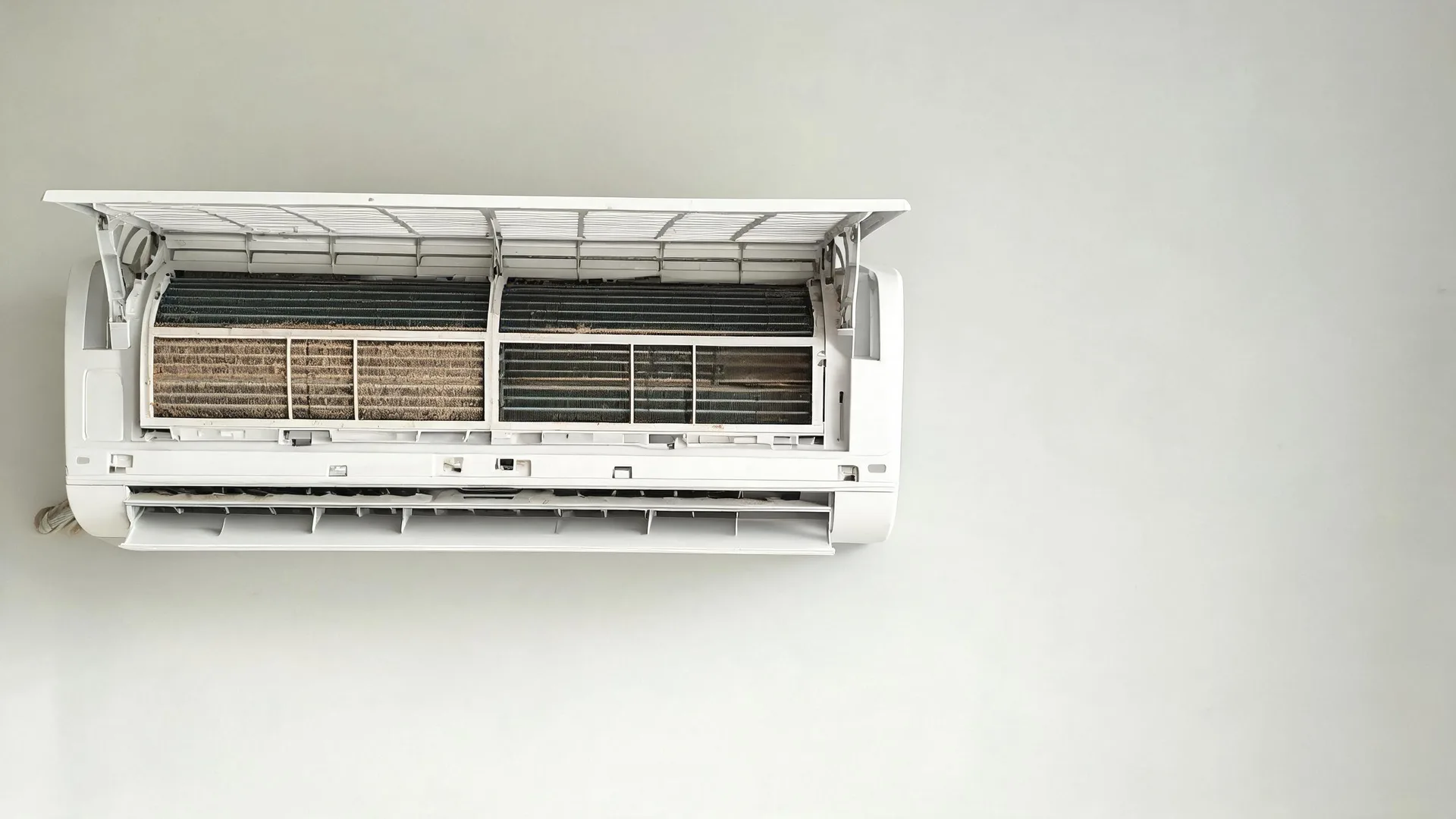
Most homes here run on gas
Utility gas heats 69.2% of occupied homes in Larimer County, with electricity a distant second at 24.5%. A furnace is still what most houses here rely on to get through winter.
Takes about a minute. No obligation.
Utility gas heats 69.2% of occupied homes in Larimer County, with electricity a distant second at 24.5%. A furnace is still what most houses here rely on to get through winter.
For most homeowners here, a mini split goes in alongside the furnace, covering a room or zone the ductwork doesn't reach well, or handling cooling without adding ducts at all.
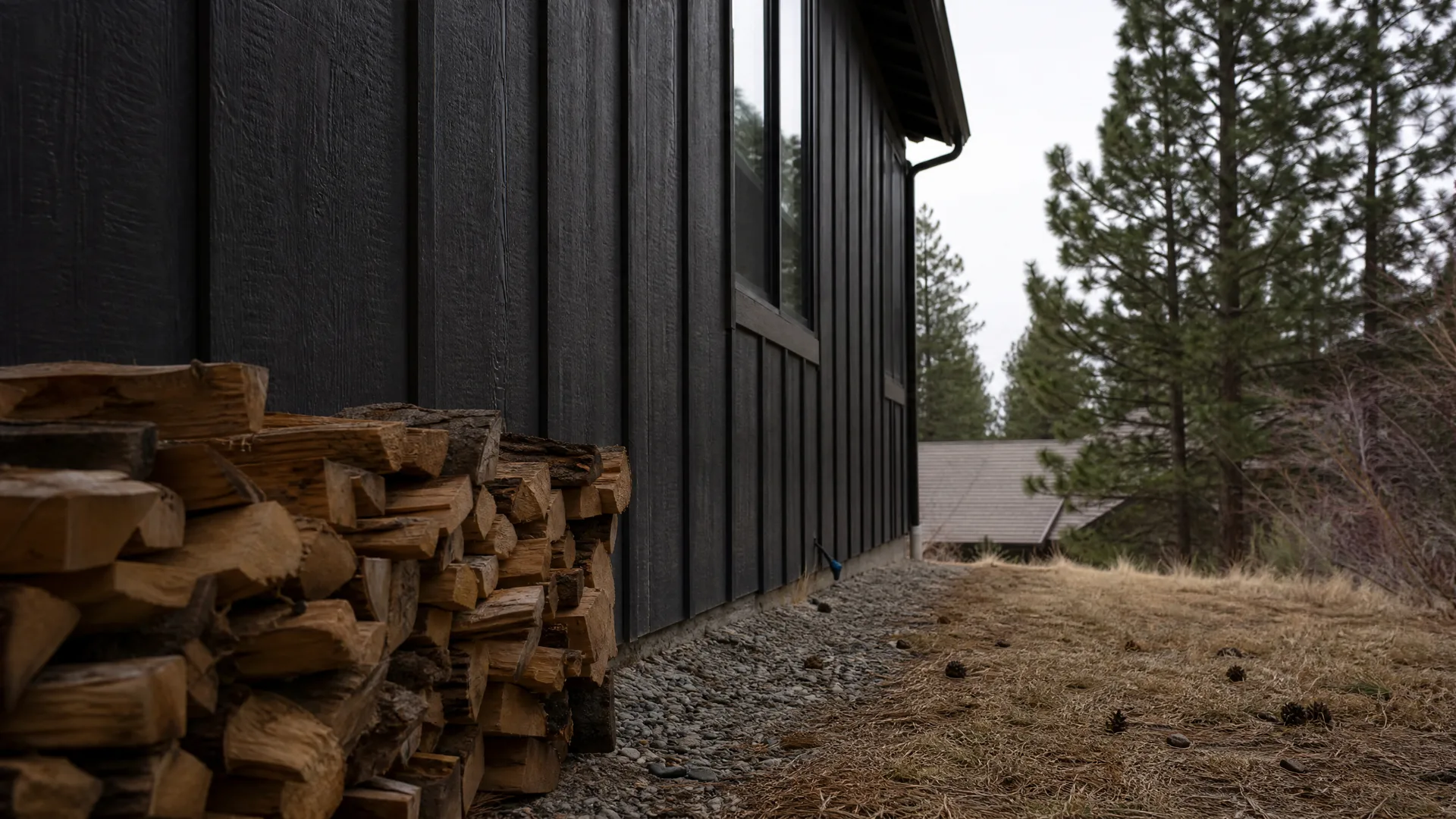
Summer afternoons in Larimer County average 76°F.
A mini split here is mostly working light duty, so a dependable mid-range unit does the job.



Fort Collins falls in climate zone 5B, a cool, dry zone where heating carries more of the load than cooling. Any mini split installed here still has to meet the federal minimum for a split-system heat pump, 14.3 SEER2 for cooling and 7.5 HSPF2 for heating, since the standard doesn't carve out a separate rule for ductless units. That sets a floor, not a ceiling, so units sold here clear it by design. A system meeting that minimum also qualifies for the federal tax credit available on qualifying heat pumps, which is worth checking against the specific unit a contractor proposes.
At 14.92 cents a kilowatt-hour, power here runs below the national average. A high-efficiency mini split costs more up front and takes longer to pay that back in savings, so chasing the highest SEER2 number on the shelf buys less here than it would somewhere with pricier electricity. A dependable mid-range unit, sized and installed right, does the job.
Find a contractor
Whatever is being replaced doesn't just get unplugged. If this is a window unit or an old ductless system coming out, a contractor disconnects the line set, recovers the refrigerant, and patches the wall penetration. If a mini split is going in alongside an aging furnace, the furnace usually stays put and keeps doing the job it already does. Refrigerant can't be vented to the air, so recovery is a required step, not an optional one. Old line sets and the outdoor condenser get hauled off rather than reused, since a new system is matched and charged for its own components. None of that adds much time to the job, but it has to happen before the new unit goes on the wall.
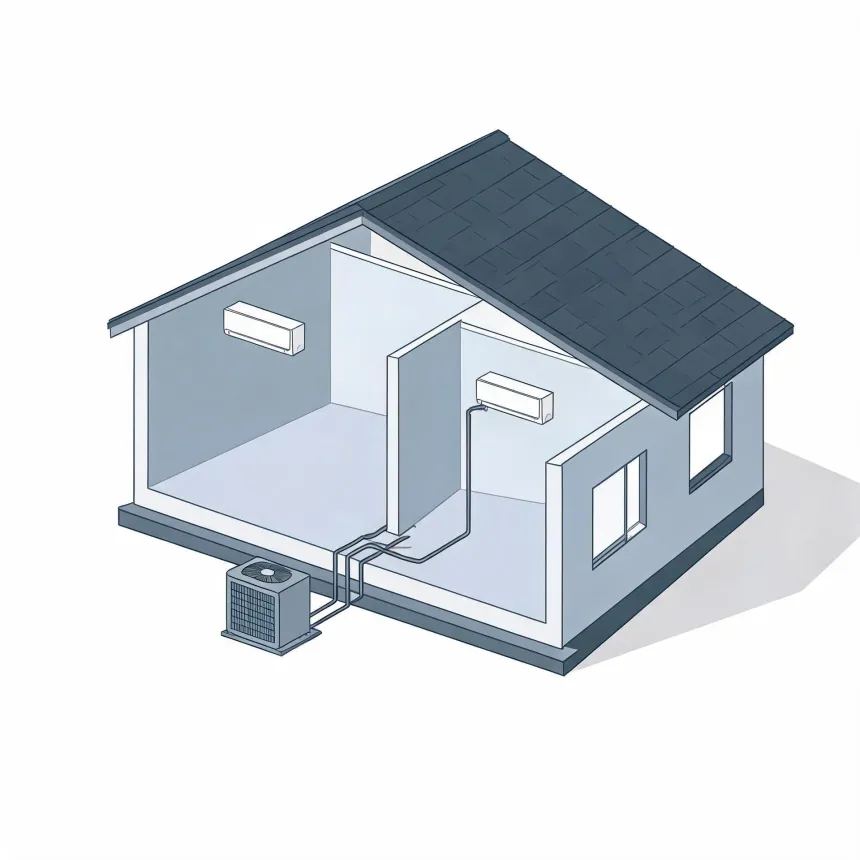
A single indoor head talking to one outdoor unit is the simple version of this job. Add a second or third head off the same outdoor unit, and the labor stacks up fast, since each one needs its own line set run through a wall and its own mounting spot picked for good airflow. The outdoor unit also has to be sized for every head it feeds, not just the first one.
The condenser needs clearance on all sides to pull air through and clear ground or roof mounting so it isn't buried in anything that falls or drifts. Line set length between indoor and outdoor units matters too. A short, direct run costs less than one that has to snake around a house to reach a spot that works.
Sizing a mini split is not about matching the room's square footage to a number on a brochure. A contractor works out how much heat the space loses in winter and gains in summer, based on the walls, the windows, and how they face the sun. Too big and the unit short cycles, blasting the room to temperature and shutting off before it pulls any moisture out of the air, so the space feels cold and damp instead of comfortable. Too small and it runs flat out without ever catching up on the coldest or hottest days. The right size is the one that runs long, steady cycles most of the time, which is also what keeps the compressor lasting as long as it should.
Install day starts outside, mounting the condenser on its pad or bracket and running the line set in before anything goes on the inside wall. The line set gets connected, then the system is pulled into a vacuum to pull out moisture and air, not just refrigerant gas. Skip that step and moisture sits in the lines, which wears on the compressor long after the crew is gone. Once it holds vacuum, refrigerant gets released into the lines and the charge gets checked against what the manufacturer specifies for that line length. The indoor head goes up, gets wired and connected to the line set, and the whole system runs through a cycle on both heating and cooling before anyone calls it done. A clean install also means sealing the wall penetration where the lines pass through, so neither weather nor pests have a way in.