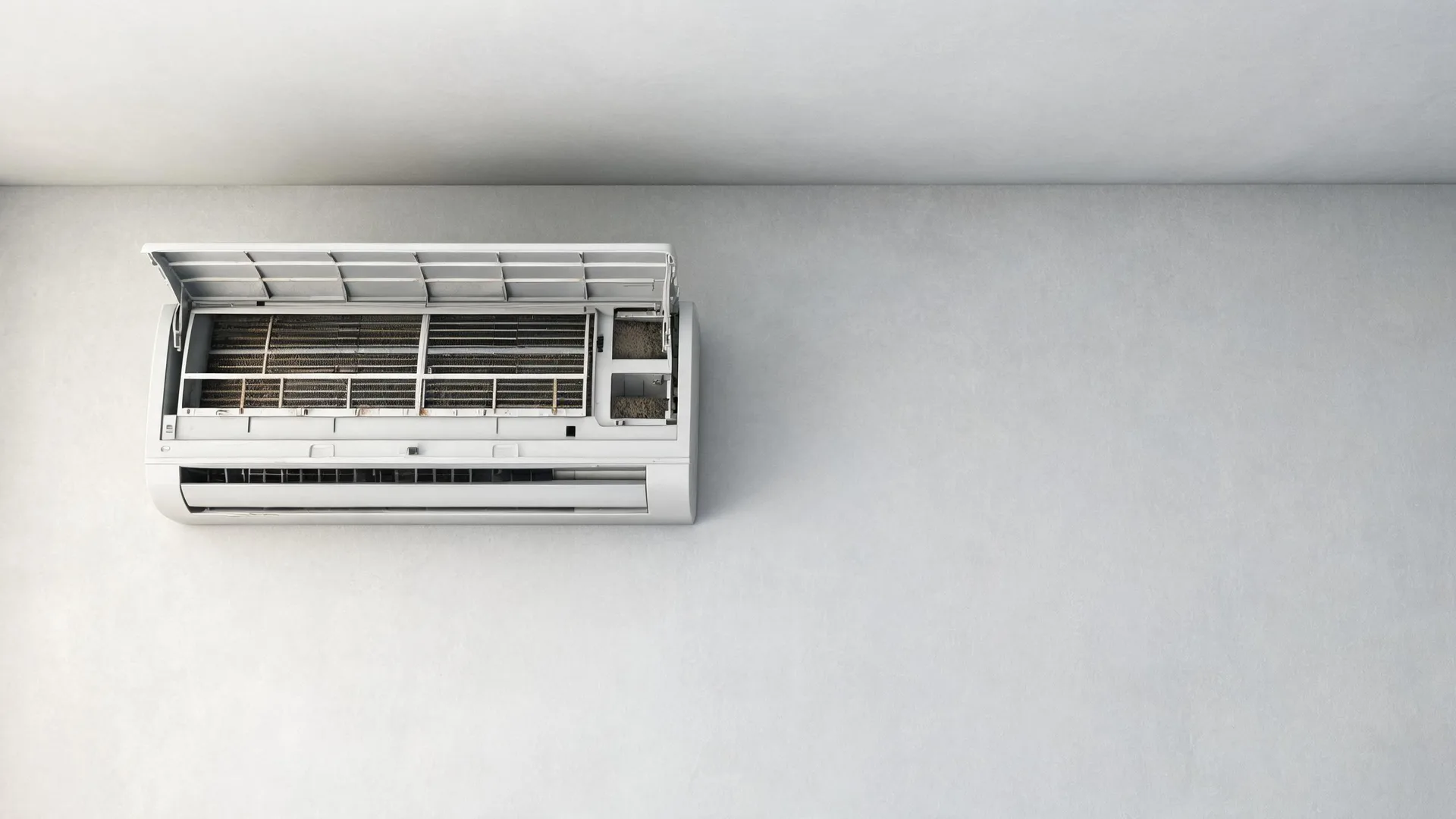
Gas heats half of Pitkin County
Utility gas heats 50% of occupied homes here, with electricity making up most of the rest. A furnace or boiler is still the most common setup in this area.
Takes about a minute. No obligation.
Utility gas heats 50% of occupied homes here, with electricity making up most of the rest. A furnace or boiler is still the most common setup in this area.
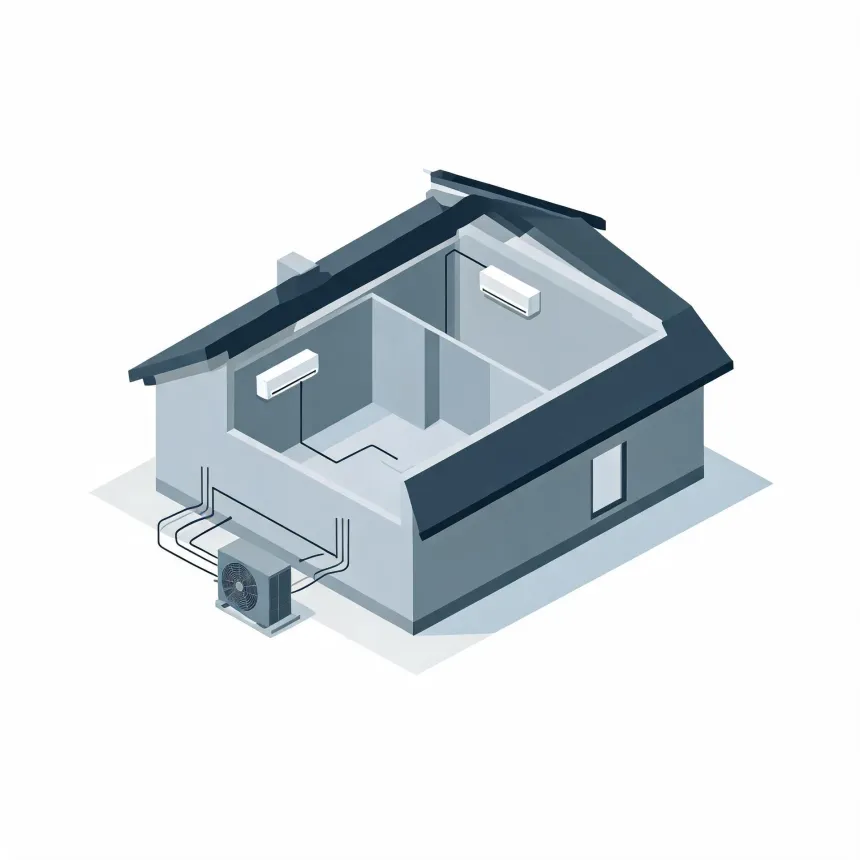
Most installs here work alongside the existing gas or electric heat rather than replacing it, covering a room or zone that the main system handles poorly. That changes what the installer needs to plan for, like where the outdoor unit sits and how the line set reaches it.
June, July and August average a 70°F afternoon high here, with no real need for cooling the rest of the year either.
A mini split barely works for cooling in a place like this, so there's little reason to pay extra for the highest efficiency rating.




The rating on the label is a ratio, the heat moved compared to the power it takes to move it. A higher number means the unit squeezes more warmth or cooling out of the same bit of electricity. It says nothing about how big a space the unit can handle or how fast it gets there. A unit with a high rating can still feel wrong in a room if it's sized wrong for that room. The rating also comes from a lab test under set conditions, so it tells you how the equipment compares to other equipment, not exactly what it will do in your house on the coldest night of the year. It's worth knowing, but it isn't what decides whether the system works for the room.
Power here is cheap enough that chasing the top efficiency number won't pay you back fast. What matters more is an installer who sizes the unit correctly, places the outdoor unit where wind won't beat on it, and runs the line set the way this room needs. Get that right and it'll serve you well regardless of the rating on the box.
Find a contractorA mini split that's too big for the room will short cycle. It blasts the space up to temperature, shuts off, then kicks back on a few minutes later because it never ran long enough to settle the room or pull moisture out of the air. That start and stop wears on the compressor more than steady running would. Go too small and you get the opposite problem. It runs nearly nonstop on the coldest or hottest days, straining to keep up and never quite getting there. Sizing isn't a guess at square footage. A proper load calculation looks at the room's windows, how it's insulated, which way it faces, and what's already generating heat inside it. That's what tells an installer which unit size actually matches the room, and the math works the same whether the system runs a couple months a year or almost all of it. The more hours it logs, the more a sizing mistake wears on it over its life.
When a mini split goes in to cover a room the main system can't handle well, there's no old equipment to pull out. The furnace or boiler keeps running the rest of the house. The only removal involved is whatever was being used to patch that one room before, a window unit or a space heater, and that's on the homeowner to haul off, not part of the install.
If this is replacing a mini split that already failed, the old outdoor unit, indoor head and line set all come out first. The line set almost never gets reused. Refrigerant lines get sized to the equipment, and old copper can have kinks or contamination that cause problems in a new system. An installer who wants to reuse the old lines without pressure testing them first is cutting a corner that shows up later as a leak or a compressor that runs short on charge.
What drives the cost on a mini split job is mostly labor, not the box on the wall. Running line set and wire from the outdoor unit to the indoor head takes time, and that time goes up with distance and with whatever the installer has to cut through or route around to get there. A straight shot through one exterior wall is quick work. A run that has to go up through a chase or along furring strips to reach the right spot takes a lot longer, and the installer is billing for that time either way. Mounting the outdoor unit adds its own cost if it can't just sit on a pad at grade. A bracket mounted to the wall, or a stand built up off a roof or a deck, takes more material and more time than setting a pad in the yard. The indoor head itself is a small part of the bill. Where it goes and what it takes to get power and refrigerant to it is the bigger part.
Install day starts with the outdoor unit placement and the line set path already decided, not figured out on the spot. The installer mounts the indoor head first, usually high on an interior wall, then drills a single hole through to the outside for the line set, the wiring and the condensate drain to pass through together. Those refrigerant lines get connected, then the whole system gets pulled down to a vacuum before any refrigerant moves, which clears out moisture and air that would otherwise ruin the compressor. Once that holds, the lines get charged, the outdoor unit gets powered up, and the installer checks the pressures against what the equipment calls for rather than just confirming it blows cold or warm air. A straight run through one wall wraps up in a matter of hours. Anything routed through a chase or up to a roof mount takes longer, since the crew is working through framing or building a stand instead of just drilling and connecting.