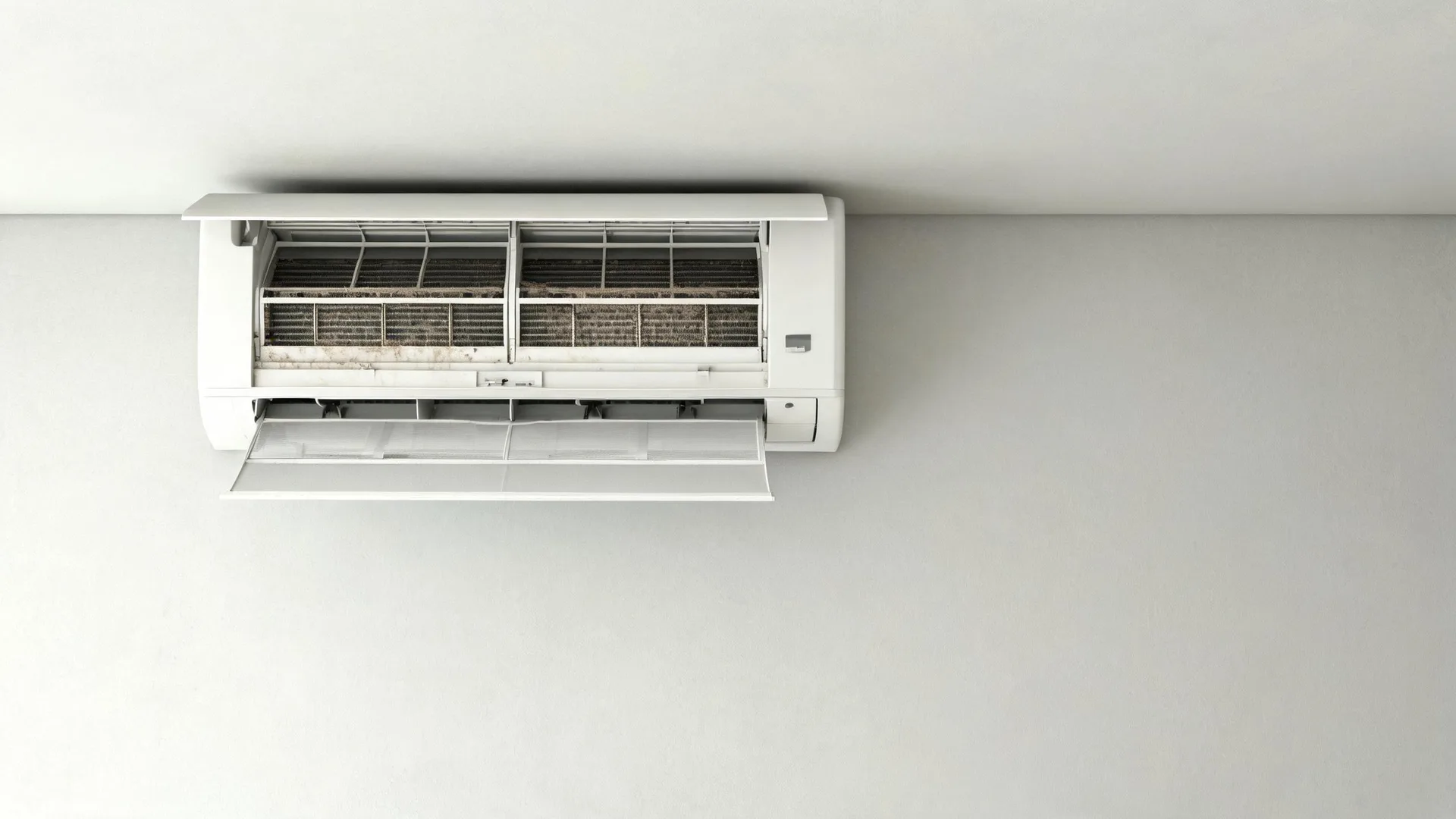
Gas heats most homes here
Utility gas heats 68.9% of occupied homes in Adams County, with electricity a distant second at 27.2%. A mini split would be something new in a house built around a furnace, not a swap of one system for the same kind.
Takes about a minute. No obligation.
Utility gas heats 68.9% of occupied homes in Adams County, with electricity a distant second at 27.2%. A mini split would be something new in a house built around a furnace, not a swap of one system for the same kind.
A mini split can run alongside a gas furnace instead of replacing it, handling cooling or shoulder-season heat while the furnace stays on for the coldest months. Where the home already runs on electric heat, a mini split can take over more of the job.
NOAA nClimDiv, 1991–2020 normals
Adams County sees its share of hail and wind, with 135 hail events logged between 2015 and 2024.
A standard mini split holds up fine against that. No need to size up or pay more for this county.



Thornton sits in climate zone 5B, where the furnace carries more of the year than the AC does. Any mini split installed here still has to meet the federal minimum for a split-system heat pump. The standard sets that minimum at 14.3 SEER2 for cooling and 7.5 HSPF2 for heating, with no separate class for ductless units. A heat pump that meets it may also qualify for the federal energy efficiency tax credit. Worth asking about when you're pricing the job, not after.
Cooling in Adams County runs about three months a year, June through August, with afternoon highs averaging 87°F. That's a normal load for a standard-size, standard-efficiency mini split. No reason to pay for bigger or higher-rated equipment than the job calls for.
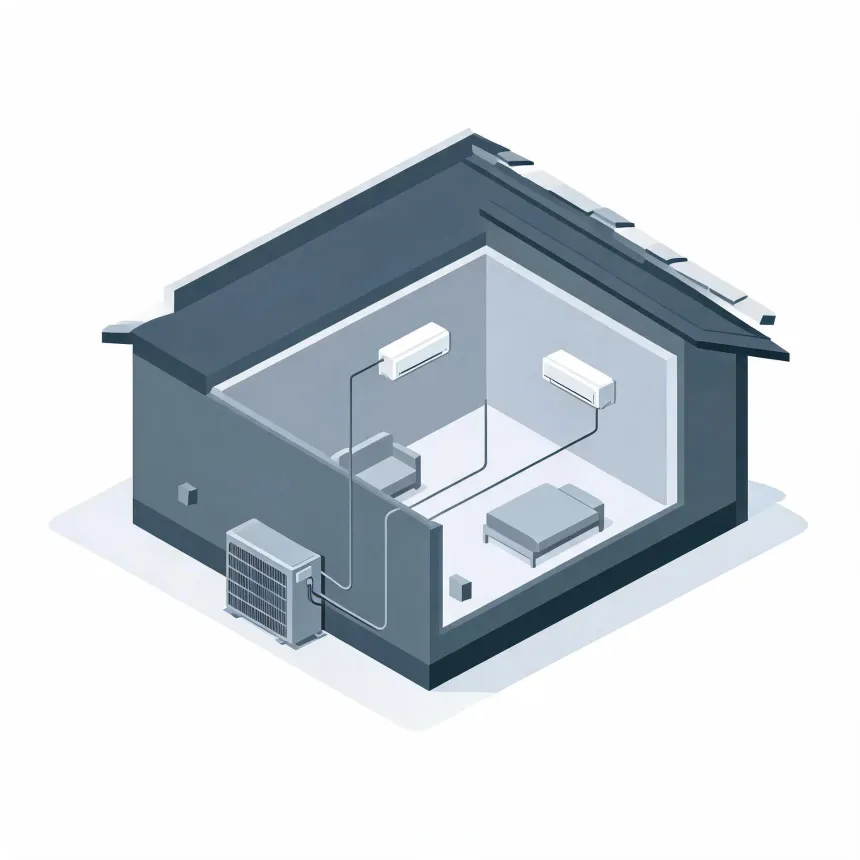
Find a contractorThe cost of a mini split job comes down to what it takes to get refrigerant from the outdoor unit to the indoor one, and how many indoor heads are on the line. A single-zone system with a short line set between the outdoor condenser and one indoor head is the simplest version of this job. Add zones and the cost adds up fast, since each indoor head needs its own line run and its own spot on the wall or ceiling. Where that line set has to go matters too. A straight shot through an exterior wall is quick work. Running line sets up through an attic, down through a chase, or across a long distance to reach a far room takes more time and more material, and that shows up in the price. The electrical side matters as well. A mini split needs its own dedicated circuit, and if the electrical panel is already full, adding that circuit is its own job before the mini split work even starts. None of this is about the brand of equipment or how it looks on the wall. It's about how far the lines have to travel and how many zones are being fed.
When a mini split goes in alongside an existing furnace, that furnace doesn't get pulled out or decommissioned. It stays connected to its ductwork and keeps running the coldest months same as before. The mini split is just new equipment added to the house, not a replacement for what's already there.
If the plan is for the mini split to replace an old central system instead of supplementing it, that old equipment has to come out. The outdoor condenser gets disconnected and hauled off, the indoor coil and any ducting tied only to that system gets dealt with, and the refrigerant in the old lines has to be recovered properly, not vented. That removal work is part of the job, not an afterthought to it.
The SEER2 number on the label tells you how much cooling the unit gets out of the power it uses, and the HSPF2 number does the same for heat. Higher ratings mean lower running cost, but that gain costs more upfront, usually in the form of a variable-speed compressor instead of a single-speed one. A variable-speed system also holds a room's temperature steadier, since it can run at low output for long stretches instead of switching fully on and off. Whether that upgrade pays off depends on how many months a year the system is actually working, not just the rating on the sheet. A unit sized right for the job will beat a higher-rated one that's oversized or undersized for the space it's cooling or heating.
Installation day starts outside with the condenser. It needs clear space around it for airflow and a pad underneath that's solid and level, so that gets set before anything else happens. Inside, the mounting plate goes up first, then the indoor head hangs on it once the wall sleeve is drilled through for the line set. That wall penetration gets measured against where the indoor head and the outdoor unit both sit, since it's not something you want to redo. Once the lines are run, the system gets evacuated with a vacuum pump to pull out moisture and air before any refrigerant moves through it. Skip that step and the system can run fine for a while before a slow leak or a bad seal shows up as poor cooling down the road. The last part is commissioning. Refrigerant pressures get checked, the line set gets tested for leaks, and the system runs through a full cycle before anyone calls the job done.