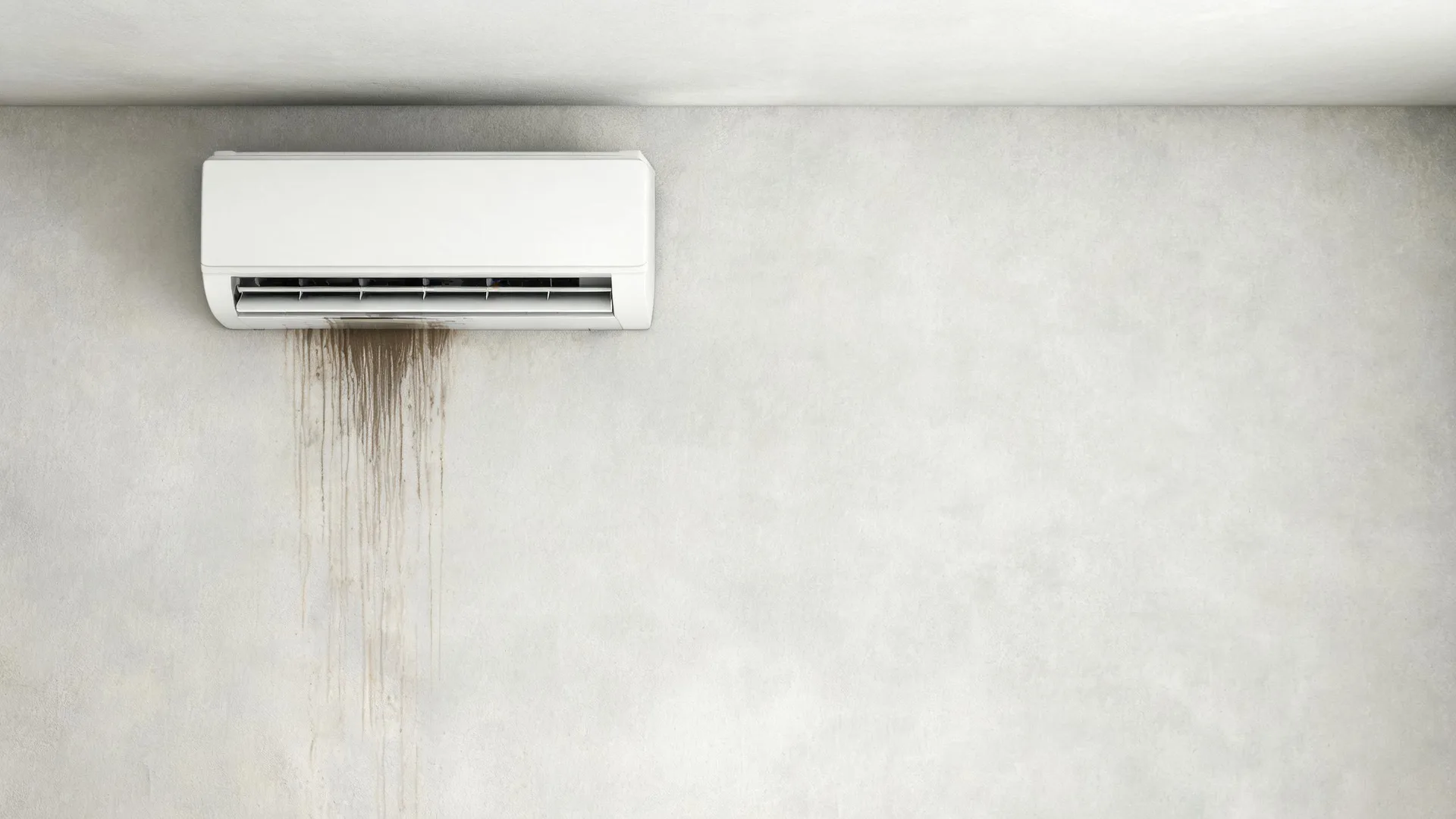
Gas heats most homes here
Utility gas heats 69.2% of occupied homes in Boulder County. A furnace or boiler is the default system most of these homes were built around.
Takes about a minute. No obligation.
Utility gas heats 69.2% of occupied homes in Boulder County. A furnace or boiler is the default system most of these homes were built around.
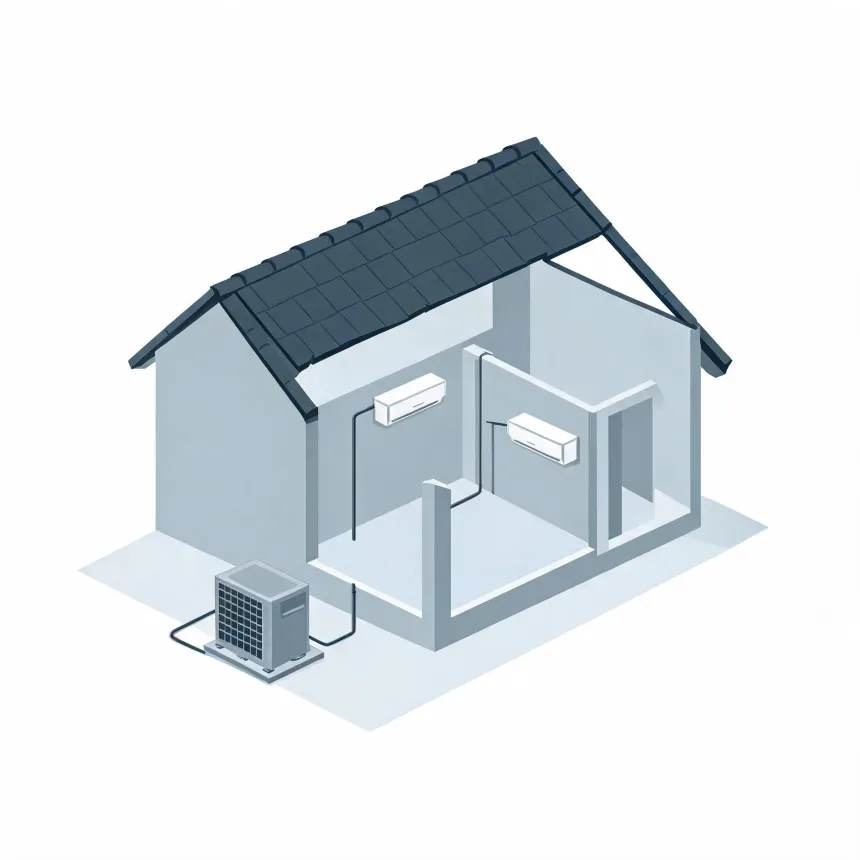
Installing a mini split here usually means putting in a system to handle one room or a zone the furnace doesn't reach well, while the furnace keeps doing the rest of the house.
Colorado electricity runs 14.92 cents per kilowatt-hour, below the national average.
A mini split still costs less to run than electric resistance heat, but the payback on a pricier high-efficiency model stretches out here. Pick the unit that fits the room and does the job well, not just the one with the highest rating.



Boulder County sits in climate zone 5B, a cool, dry zone where heating does most of the work over the year. Any mini split installed here has to meet the federal split-system minimums, 14.3 SEER2 for cooling and 7.5 HSPF2 for heating, since the standard treats ductless units the same as other split systems. That rule sets the floor no matter which brand or contractor you choose. A system meeting that floor is also likely to qualify for the federal efficiency tax credit, worth checking against the model you're considering before you decide.
Afternoon highs average 78°F even in June, July and August, and no month here is warm enough to call for real cooling. A mini split in Boulder County spends most of its time doing light work. The wear that shows up elsewhere from long cooling runs mostly doesn't apply here, so problems tend to come from age or neglect, not strain. A reliable mid-range unit sized right for the room will do the job without paying for a high-efficiency model built for harder climates.
Find a contractor
The rating on the label tells you how much heat the unit moves for the electricity it uses, nothing more. A higher number means more heat moved per unit of power, so the unit costs less to run over the years it sits in the wall. It says nothing about how fast a room warms up or how quiet the unit is at night. Units with the same rating can still feel different to live with, because the rating comes from a fixed lab test, not from your actual room. It's a fair way to compare one unit against another before you buy, not a promise about your bill or your comfort once it's installed.
One bid might cover only the unit and labor to mount it, while another includes the line set, the electrical whip, a surge protector, and the pad or bracket for the outdoor unit. Get a line item list before comparing prices, because bids that look far apart sometimes cover different work.
Not every contractor who installs a given brand is certified to work on it later, and some manufacturers void the warranty if the installer wasn't authorized for that line. Find out whether the company doing the install is the one that answers the call if the unit stops working, or whether that falls to someone else.
If the mini split is going into a room the furnace already heats, nothing about the old system changes. The furnace keeps running the ducts it always has, and the new unit just takes over that one room or zone. Nobody needs to cap a vent or rebalance the ductwork unless a contractor finds a specific reason to. The furnace and the mini split don't compete for the job, because they're rarely asked to heat the same space at the same time. The room getting its own unit is usually the one the furnace already struggled to reach, and the rest of the house keeps running the way it always has.
Installation starts outside, with the contractor picking a spot for the outdoor unit that has clear airflow on all sides and isn't buried under roof runoff or snow shed. Inside, the indoor head goes high on a wall or ceiling, over a spot where the line set can reach an exterior wall without a long run. That line set carries refrigerant lines, a drain, and electrical through a hole drilled in the wall, then gets covered with a cover plate or a channel. Once the lines are connected, the system gets evacuated with a vacuum pump to pull out air and moisture before the refrigerant is released into the lines. Any moisture left behind turns to acid or ice inside the system once it starts running. The contractor checks the refrigerant charge against what the line length calls for, then runs the unit through heating and cooling to confirm it answers the thermostat and the head isn't dripping or icing. Most of the day goes to that evacuation and the checks after, not the mounting.