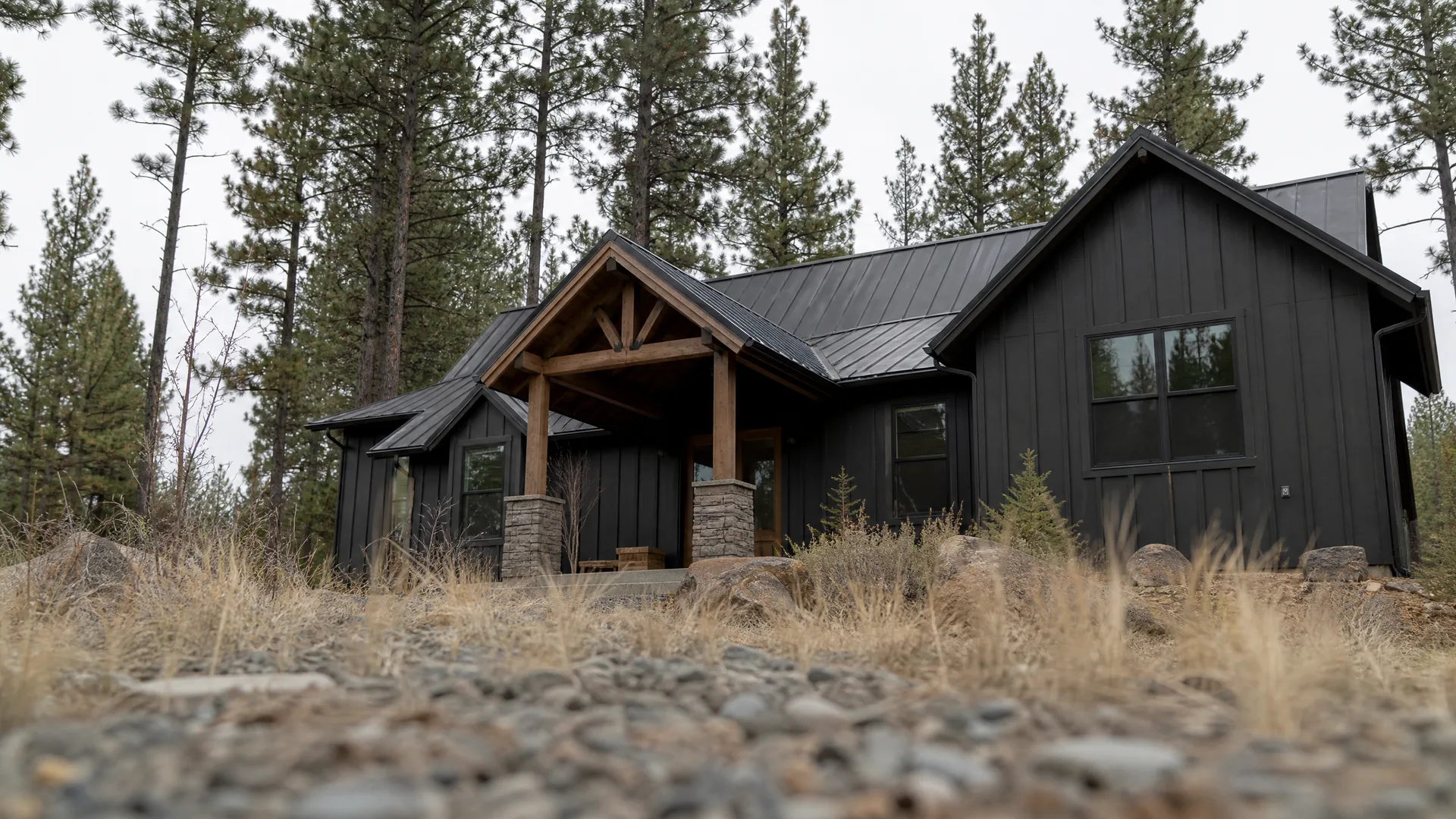
A single-story black board-and-batten house with a dark metal roof, timber-framed entry porch and stone pier bases, set among tall pine trees with dry grass and a rocky gravel foreground.

Mini Split Installation in Monte Vista, CO

Tell us about the job

Takes about a minute. No obligation.

New system or replacementMini-splitRio Grande County, CO
Step 1 of 2

What ZIP code is the job in?

Gas is the common fuel here, but not the only one

Utility gas heats more homes in Rio Grande County than anything else, at 36.7 percent. LP gas covers another 23.4 percent, and electricity heats 22.7 percent. No single setup dominates, so a mini split here is as often an addition to an existing furnace as it is a full replacement.
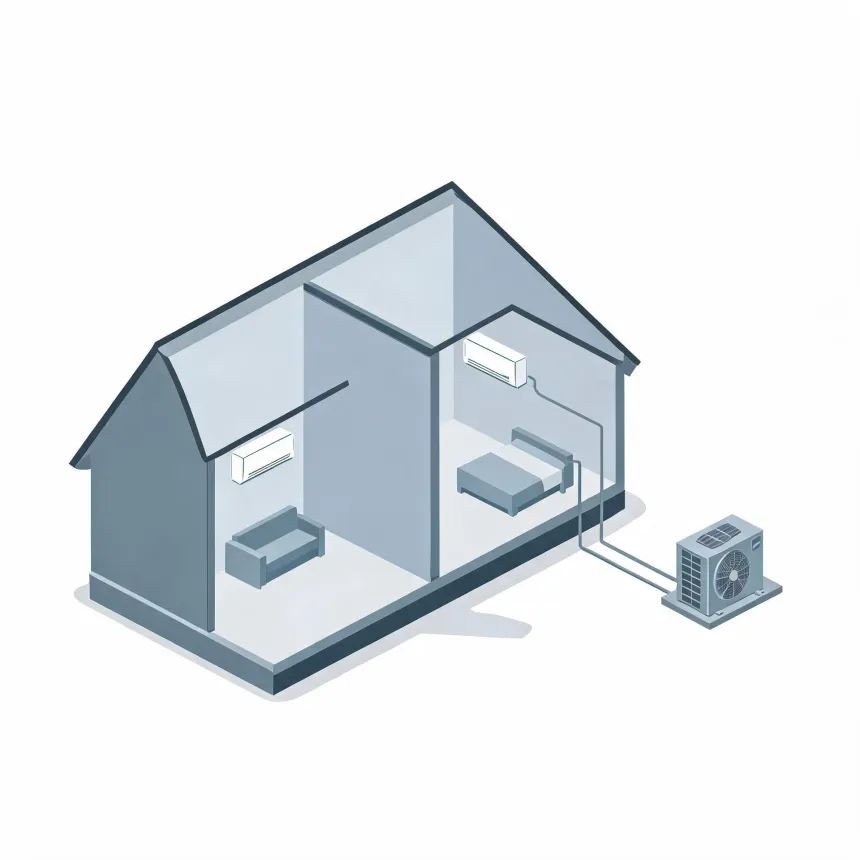

A mini split works alongside what's already there

If your home runs on gas or propane furnace heat, a mini split can take over cooling and handle the shoulder seasons without touching that system. If you're on electric heat already, it's a more direct swap in how the home is conditioned. Either way, what's already installed shapes how the new unit gets wired in and where it makes sense to zone.

7°F
the average winter night it heats against
73°F
the average summer afternoon it cools against
Isometric grey illustration of a cutaway house showing two rooms with wall-mounted indoor air conditioning units connected by lines to an outdoor condenser unit beside the building.

Rio Grande County recorded 199 winter storms between 2015 and 2024.

The outdoor unit of a mini split has to sit through that snow and ice load every winter, same as any outdoor equipment here.

A standard mini split fits this house fine

Half the homes here were built by 1978
Summer afternoons average 73°F
52 damaging wind events from 2015 to 2024

June, July and August average 73°F in the afternoon here, and no month gets much warmer than that. A mini split doesn't have much cooling work to do in a summer like that. You don't need the highest-output unit on the shelf or the top efficiency tier to stay comfortable here. What matters more is picking a system that holds up outside, since the compressor and lines sit through wind and winter weather year after year, not one built to fight heat it will rarely see.

Pick the mini split that fits this house, not the one with the highest efficiency number

Electricity here runs 14.92 cents a kilowatt-hour, cheaper than most of the country. The highest-efficiency mini split on the shelf takes longer to earn back its extra cost at that rate. A unit that holds up through winters like this county sees, and fits with the heat you've already got, matters more than squeezing out another efficiency point.

Find a contractor
A man in a dark jacket and tan work pants, seen from behind, carries a canvas duffel bag up wooden porch steps toward a red front door, beside a large terracotta pot holding a shrub.
A white outdoor air conditioner condenser unit mounted on metal wall brackets against gray horizontal siding, with a blue sky and white clouds behind it.

Ask how it runs light, not just how it runs hard

Ask how each system handles defrost before you ask about anything else. The outdoor unit frosts up in cold weather, and it has to run a defrost cycle to clear that ice before it can keep heating. Some systems do this smoothly and get back to work fast. Others take longer and you'll feel the drop in heat while it happens. Ask what the indoor head does when it's idle, too. Some just sit there between cycles, and some keep a little air moving so the room doesn't get a cold spot near the unit. Ask about the compressor. One that can run at partial output matches a system that's heating or cooling lightly most of the time, rather than cycling fully on and off. That matters more for a unit that runs light through the year than raw output ever will.

Sizing comes from a room by room load calculation

A contractor works out mini split size from the square footage, the windows, the insulation and how the walls and ceiling hold heat, room by room. That calculation decides the output, not a rule of thumb based on the home's total size. Homes with the same footprint can still need different sized units once the windows and insulation are accounted for.

Oversized or undersized both cause problems

A unit sized too big cools the room fast and shuts off before it pulls the moisture out of the air, so the room feels cool but damp. A unit sized too small runs constantly and never quite catches up on the hottest or coldest days. Either way the system wears faster than one that's sized to match the room.

Taking out the old system depends on what's there now. A window unit or a through-wall sleeve comes out easily, no different from taking one out at the end of any season. If this is an electric system tied into the home's wiring, that gets disconnected properly rather than just unplugged. If there's an old furnace or boiler staying in place alongside the new mini split, it doesn't need to come out at all, since plenty of homes run both and switch between them as the weather calls for it. Refrigerant in any old central system has to be recovered by someone licensed to handle it, not vented off. None of this is complicated work, but it has to happen in the right order before the new lines and wiring go in.

Install day starts outside, not in. The outdoor unit gets mounted on a bracket or pad in a spot picked for airflow and for keeping snow and ice off it, since that's what it has to live through. Then comes the line set, the refrigerant lines and the wiring that run from outside to each indoor head, usually through a single hole drilled in the wall. That hole gets sealed properly once the lines are through, because a gap there is a draft and a water path for as long as the system's installed. Indoors, the head goes up high on the wall or ceiling, over the spot the contractor picked during sizing, not wherever's convenient. Once everything's connected, the lines get pulled down to a vacuum before any refrigerant moves, which clears out moisture and air that would otherwise sit in the system and cause problems later. Only after that does the unit get charged and run through its paces to check it holds temperature and cycles the way it should.