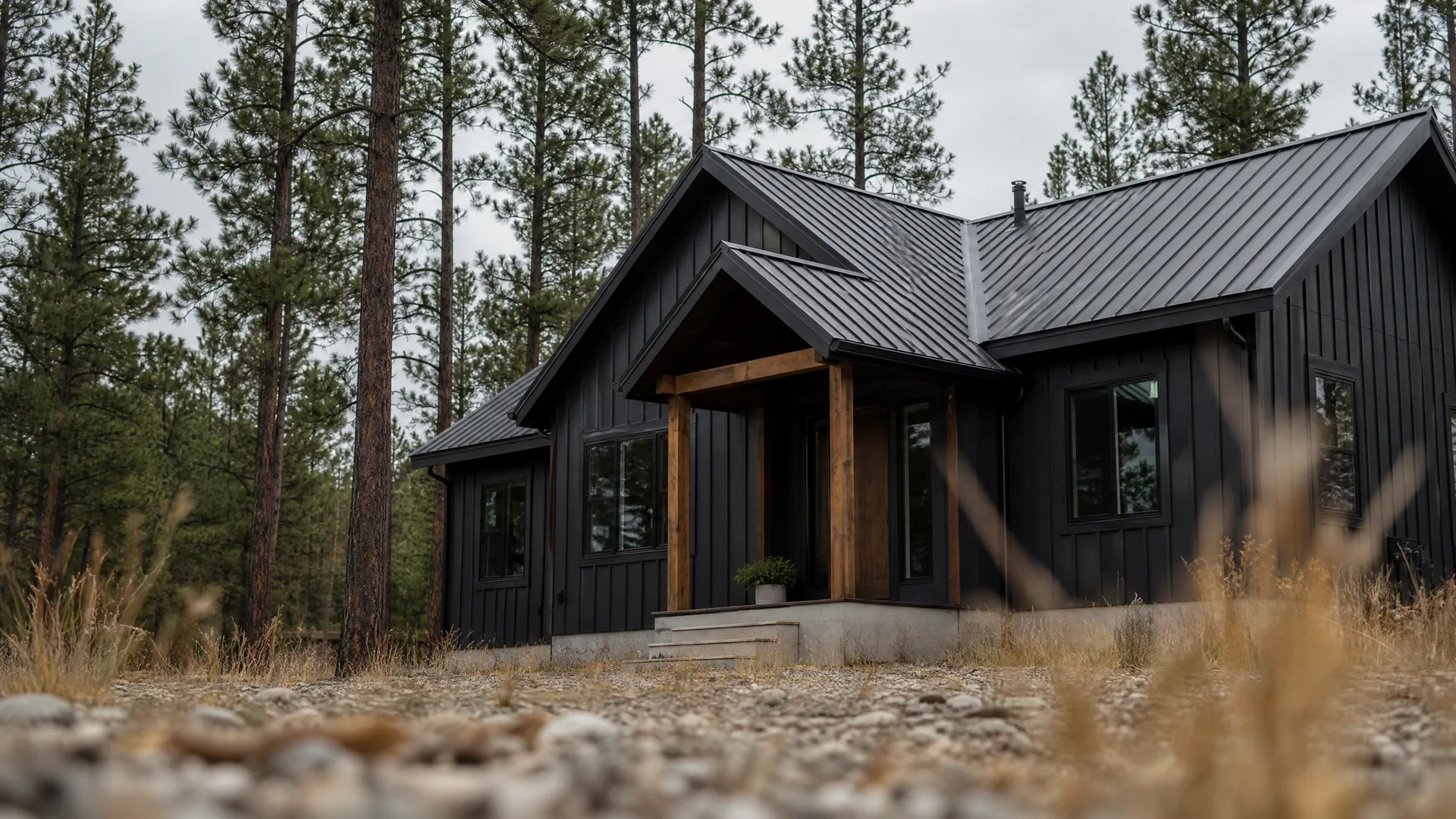




A single-story black board-and-batten house with a dark metal gable roof and wood-post covered entry porch, set among pine trees with dry grass and gravel in the foreground.

Mini Split Installation in Cañon City, CO

Tell us about the job

Takes about a minute. No obligation.

New system or replacementMini-splitFremont County, CO
Step 1 of 2

What ZIP code is the job in?

Gas heats most homes in Fremont County, close to 65 percent. A mini split doesn't compete with that furnace, it works alongside it. Plenty of homeowners here add one to a room the furnace and ducts don't handle well, a bonus room, a garage turned office, an addition. Since it also cools, it can take the place of a window unit in summer without any ductwork added to the house. If you're adding one room at a time, a single zone system handles that. If you want several rooms off one outdoor unit, ask about a multi-zone setup instead.

9 months
September through May, your system heats
15°F
the average winter night it heats against
80°F
the average summer afternoon it cools against
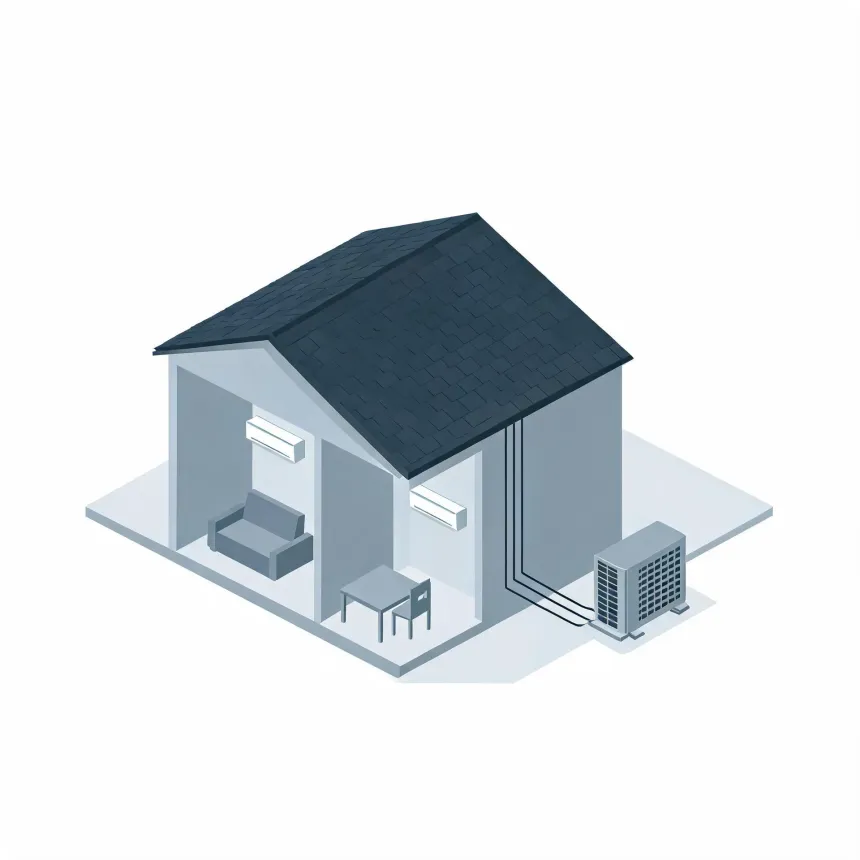
Isometric illustration of a cutaway house with a dark shingled gable roof, showing two wall-mounted indoor air handlers, a sofa, table and chair inside, and refrigerant lines running to an outdoor condenser unit beside the building.

Winter storms have hit Fremont County 292 times between 2015 and 2024.

A mini split heats the room it's in on its own power circuit, so that room stays warm even if the furnace can't keep up.

A standard mini split handles Cañon City homes

Half the homes here were built by 1981
Summer afternoons average 80°F
165 damaging wind events from 2015 to 2024

Fremont County falls under zone 5B, a cool zone where heating carries the bigger share of the work. Any mini split installed here has to clear the federal minimums for a split-system heat pump, 14.3 SEER2 for cooling and 7.5 HSPF2 for heating. That rule covers ductless units the same as any other split system. There's no separate, looser standard just because it's ductless. What's sold new today is already built to meet it, since the requirement took effect a couple years back.

Cheap power here means fit matters more than efficiency rating

Electricity here runs 14.92 cents a kilowatt-hour, below the national average. A high-efficiency mini split still costs more up front than a standard one, and at this rate it takes longer to earn that difference back in lower bills. Picking the right size and a contractor who installs it well matters more here than chasing the highest efficiency number on the shelf.

Find a contractor
A white mini-split air conditioner outdoor condenser unit mounted on metal brackets against a beige stucco exterior wall, with a blue sky and scattered clouds in the background.

A light load, not a long one

No month here calls for cooling, and summer afternoons only average 80°F. A mini split in Cañon City spends its cooling hours doing very little. Heating is where it earns its keep, through the colder months. Wind and hail are a separate issue, they'll hit the outdoor unit over the years regardless of how hard it runs. None of that argues for the top-tier model. A well-sized standard unit, installed right, will hold up fine against a job this light.

What the rating actually measures

SEER2 and HSPF2 tell you how much heating or cooling a unit produces for the power it draws over a season, averaged across mild days and harsh ones. It is not a measure of how big a room it can handle. A high rating on a unit that's the wrong size for the room still leaves that room too warm or too cold.
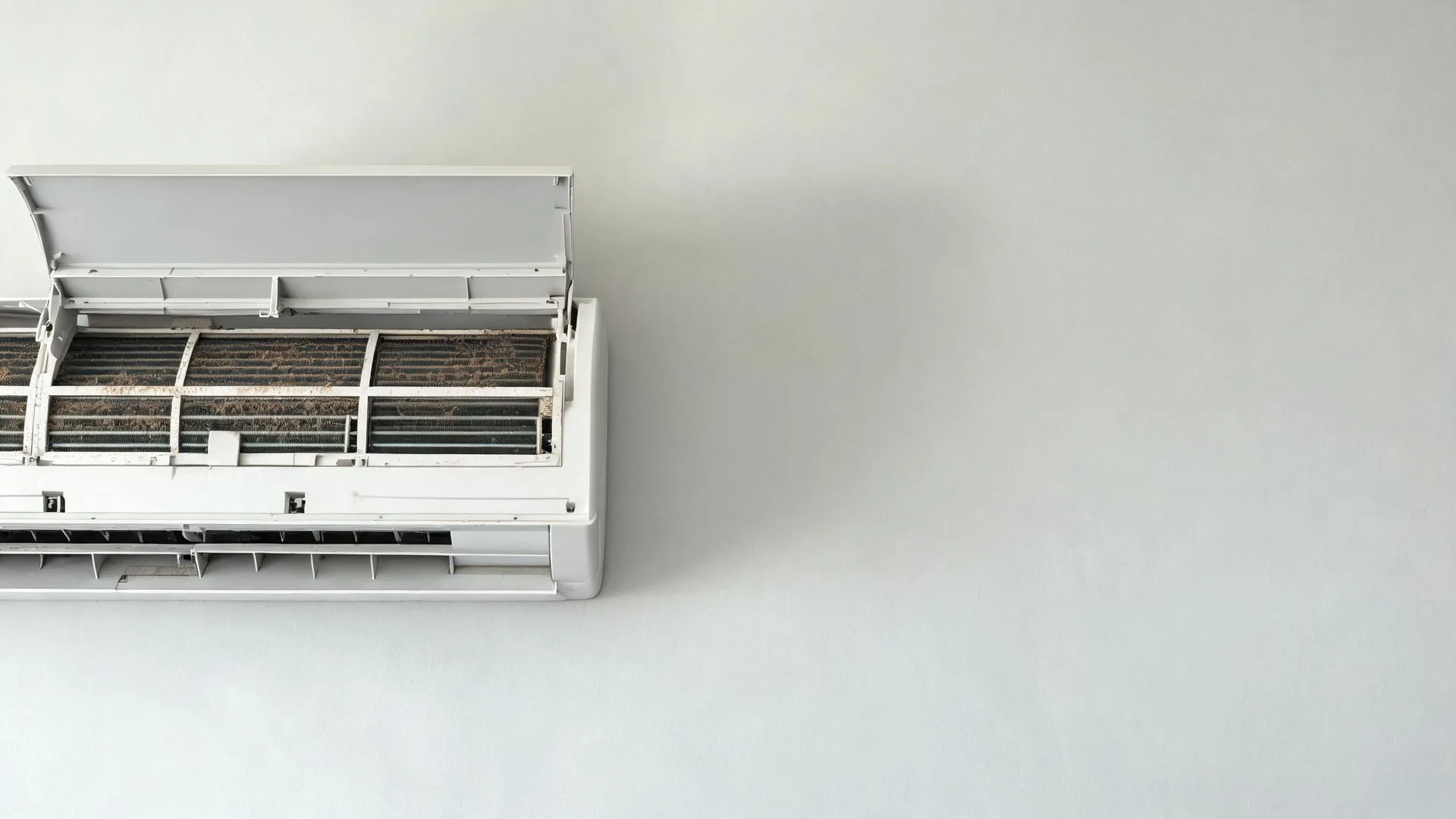
The install decides whether you see that number

A mini split's efficiency rating comes from lab testing, done with the line set length and refrigerant charge the manufacturer specifies. A unit charged wrong or run with a line set longer than it's rated for won't perform to the number on its label. The work of installing it matters as much as the rating itself.

Ask what the outdoor unit's sound rating is at night, and where the contractor plans to mount it. If it sits under a bedroom window, a few decibels makes a real difference. Ask how many indoor heads the outdoor unit can run and whether it's being sized for just this room or left room to add another later. Ask what line set length the quote assumes, since a longer run than planned can call for more refrigerant and a bigger line set than first priced. Ask how the contractor sizes the unit, by a room load calculation or by a guess based on square footage. The first accounts for windows, insulation and ceiling height. The second often doesn't, and an oversized or undersized head is hard to fix after it's mounted on the wall.

Install day starts outside. The outdoor unit needs a spot on a pad or wall bracket with clear airflow on all sides and some distance from the ground so snow and debris don't block it. Indoors, the head gets mounted high on a wall, usually over a small hole drilled through to the outside for the line set, the wiring and the condensate drain. Refrigerant lines get run, brazed and pressure tested before anyone opens the valves, since a joint that leaks slowly can take months to show up as weak heating. The system then gets evacuated with a vacuum pump to pull out moisture and air, because either one left in the lines ruins performance and can damage the compressor over time. Once it's charged to the weight the manufacturer specifies for that line length, the contractor runs it through both heating and cooling to check temperatures at the head and confirm the drain is clearing condensate the way it should.