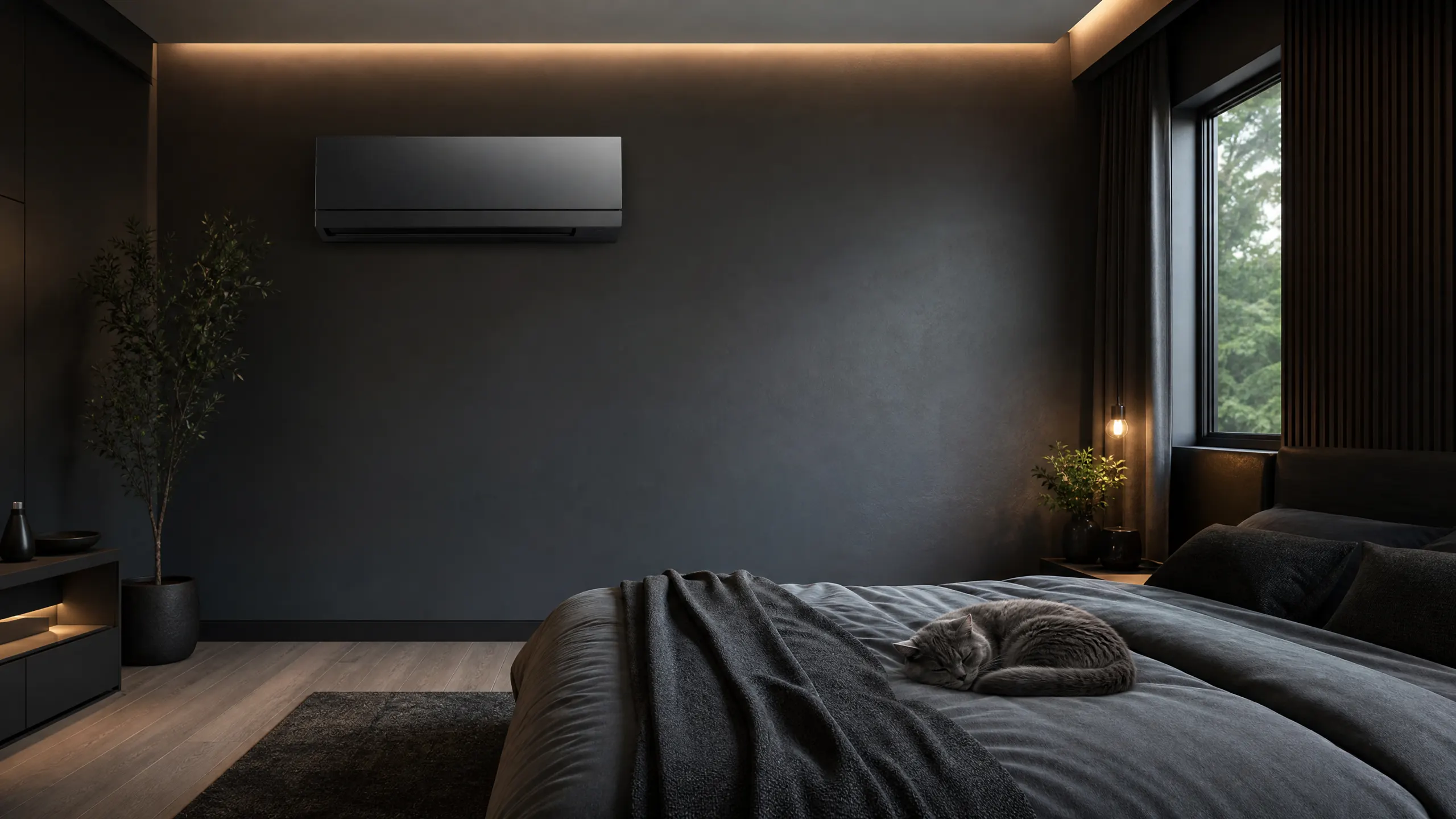
A gray cat sleeps curled up on a dark-made bed in a moody, minimalist bedroom with a wall-mounted air conditioning unit and warm accent lighting.

Mini Split Installation in Manassa, CO

Tell us about the job

Takes about a minute. No obligation.

New system or replacementMini-splitConejos County, CO
Step 1 of 2

What ZIP code is the job in?

Gas heats most homes here

Utility gas heats 38.4% of occupied homes in Conejos County, more than any other fuel. Electricity is next at 11.3%, with propane or LP gas at 17.0%. A mini split works alongside a gas furnace rather than replacing it outright.

What that means for this job

If your home runs on gas heat, a mini split handles cooling and can take over heating on the mild days in between, so the furnace runs less. The contractor can size it to work with what you already have instead of against it.

11 months
August through June, your system heats
9°F
the average winter night it heats against
73°F
the average summer afternoon it cools against
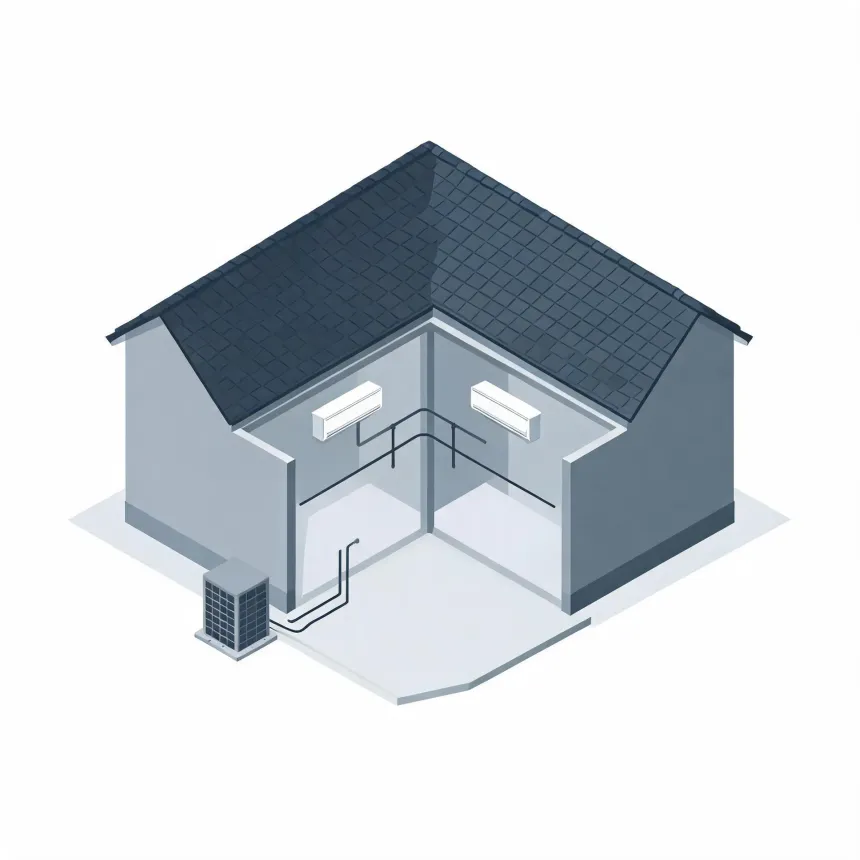
Isometric illustration of a cutaway gray house with a dark shingled roof, showing two wall-mounted indoor air conditioning units connected by piping to an outdoor condenser unit on the ground outside.

Half the homes in Conejos County were built in 1982 or earlier, half later.

A mini split sizes to the home in front of it, not the year on the permit.

Winter here is what a mini split has to handle, not what rules it out

161 severe weather events from 2015 to 2024
13% of homes statewide lost power a day or more in 2024
24 damaging wind events from 2015 to 2024
Cheap power here means fit matters more than efficiencyColorado power runs 14.92 cents a kilowatt-hour, cheaper than much of the country.

Manassa is in zone 6B, a cold climate zone, with winters that run long. Any ductless mini-split installed here still has to meet the same federal minimum as other split systems. That means 14.3 SEER2 for cooling and 7.5 HSPF2 for heating. There's no separate, lower bar for going ductless. That floor is there to keep the unit efficient through a long winter, not just on the few hottest days of summer. A mini split that clears it can also qualify toward the federal tax credit for heat pump installations, worth asking your contractor about when comparing units.

This system will have an easy summer here

Summer afternoons here average 73°F, and no month of the year gets hot enough to really call for air conditioning. A mini split installed in Manassa won't be working hard to cool this house. That's less strain over the life of the unit, so the money is better spent on a reliable system sized right than on chasing the highest efficiency number on the shelf.

Find a contractor
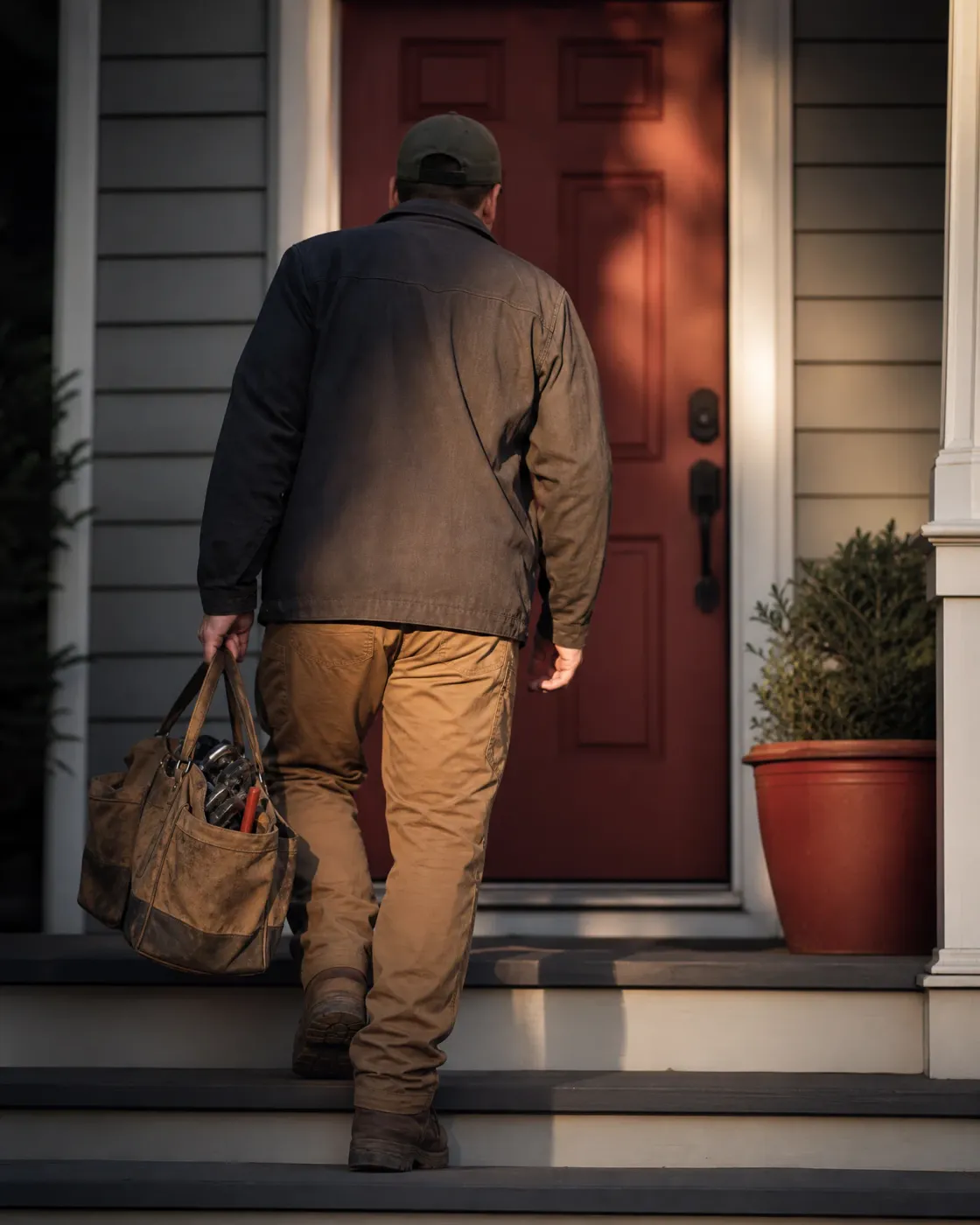
A man in a cap, dark jacket and tan work pants carries a worn canvas tool bag up porch steps toward a red front door of a house with gray siding and a potted shrub.
A white outdoor air conditioner condenser unit mounted on metal wall brackets against gray horizontal siding, with a blue sky and white clouds behind it.

This unit won't get a season off

A mini split that runs most of the year earns its keep differently than one that only kicks on for a few weeks of heat. Ask how the compressor handles low-load conditions, since in a mild climate it spends more time running low and slow than blasting at full output. A compressor that modulates well will hold steady at partial capacity instead of cycling on and off. Ask what the warranty covers on the compressor itself, not just the parts, since that's the component doing the work every single day it's installed. Ask how the manufacturer rates the unit's performance at low outdoor temperatures if it's expected to help with heating, because the rating on the box is usually taken under mild conditions, not the coldest night of the year. A system that looks identical to another on the showroom floor can behave very differently once it's been running nonstop for years instead of sitting idle most of the time.

Sizing comes from a room by room heat loss and heat gain calculation

A contractor measures each room, checks the windows, the insulation, and how the walls and ceiling are built, then works out how much heat that room loses in winter and gains in summer. That number, not the square footage alone, decides what size head goes in each room and what the outdoor unit needs to handle.

Oversizing causes more problems than undersizing

A unit too big for the space cools or heats the room fast, then shuts off, over and over. That short cycling leaves the room feeling clammy in summer because the unit never runs long enough to pull moisture out of the air, and it wears the compressor down faster than steady, longer runs would.

If the old system is a furnace with central air, most of that stays right where it is. The mini split takes over the jobs it's suited for, and the furnace and ductwork can stay in place as backup or for the rooms the mini split doesn't reach. There's no tank to drain, no refrigerant line set to rip out unless the old condenser gets decommissioned too. If the old system is baseboard or wall heaters, those often get capped off or left as a backup rather than torn out, since removing electric resistance heat entirely means the mini split is the only thing standing between the house and a cold snap. A contractor can tell you whether the old equipment is worth keeping as a backup or whether it's not worth the space it takes up.

Installation day starts with the outdoor unit. The crew sets it on a pad or wall bracket, level and clear of where snow slides off the roof. Each indoor head goes up on the wall or ceiling it was measured for. Then a small hole gets drilled through to the outside for the line set, just a few inches wide, carrying the refrigerant lines, a drain line, and electrical wiring bundled together. No duct run needed. Once everything is connected, the system gets evacuated to pull moisture and air out of the lines before refrigerant goes in. Last comes the test. Each head gets checked for heating and cooling, the drain gets checked for flow, and the system runs through its paces before anyone calls it done.