




A twilight street scene featuring illuminated timber-frame and stone houses with a mountain range visible in the background.

Mini Split Installation in Pueblo, CO

Tell us about the job

Takes about a minute. No obligation.

New system or replacementMini-splitPueblo County, CO
Step 1 of 2

What ZIP code is the job in?

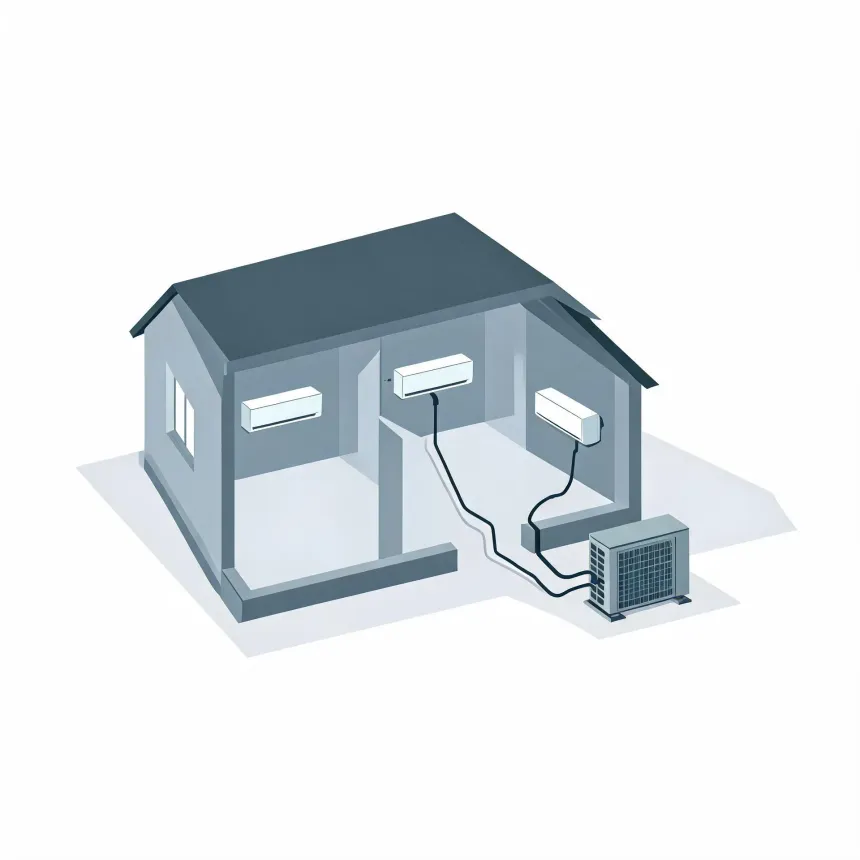
Gas heats 76.3% of homes in Pueblo County, and most of the rest run on electricity. A mini split does not fit into either setup. It is its own system, with an outdoor unit and one or more indoor heads, and it heats and cools without any ductwork at all. That makes it an option for a room a gas furnace does not reach well, or for a home that wants air conditioning without adding ducts. It is not a swap for the furnace itself. Most homeowners here are adding one, not replacing the system that already heats the house.

8 months
October through May, your system heats
3 months
June through August, it cools
19°F
the average winter night it heats against
88°F
the average summer afternoon it cools against
Isometric illustration of a cutaway single-story house with three wall-mounted indoor air conditioning units connected by lines to an outdoor condenser unit on the ground outside.
Your system heats October through May and cools June through August.

NOAA nClimDiv, 1991–2020 normals

Pueblo households paid 14.92 cents per kilowatthour in 2024.

A standard mini split size for the room is the right call here, nothing bigger.

Cooling starts in June here, so May is the time to get a mini split in

Cooling runs June through August
Summer afternoons average 88°F
209 damaging wind events from 2015 to 2024

Summer here is short, June through August, with afternoon highs averaging 88. A mini split sized for the room handles that without trouble. Sizing bigger doesn't cool a room faster, it just cycles on and off more and does a worse job pulling humidity out of the air. Pueblo also sees its share of hail and wind, so ask the installer where the outdoor unit will sit and what shields it. That's a placement question, not a reason to size the system differently.

Go with the standard fit

A standard size and efficiency fit fine here. There's no local reason to go bigger or pricier.

Find a contractor
A man in a dark jacket, cap and tan work pants, seen from behind, carries a worn canvas tool bag up wooden porch steps toward a red front door.
A beige split-system air conditioner outdoor condenser unit mounted on metal wall brackets atop a stucco wall.

This runs every day it's in, in a house of any age

A mini split run right runs year round here, not just summer. Once it's in, it's heating and cooling that room every day the system calls for it, however old the house around it is. Half the homes in Pueblo County went up in 1974 or earlier, half since, and that split doesn't change what the unit needs to do. A standard size matched to the room handles the hours either way.

The rating tells you the cost to run it, not the size to buy

A mini split's efficiency rating measures how much heating or cooling it squeezes out of the power it uses. A higher rating means lower bills for the life of the unit. It says nothing about whether the unit fits the room. Sizing comes from the room itself, its square footage, its windows, what's on the other side of its walls. Pick the size for the room first. The rating is a separate choice about what it costs to run once it's in.
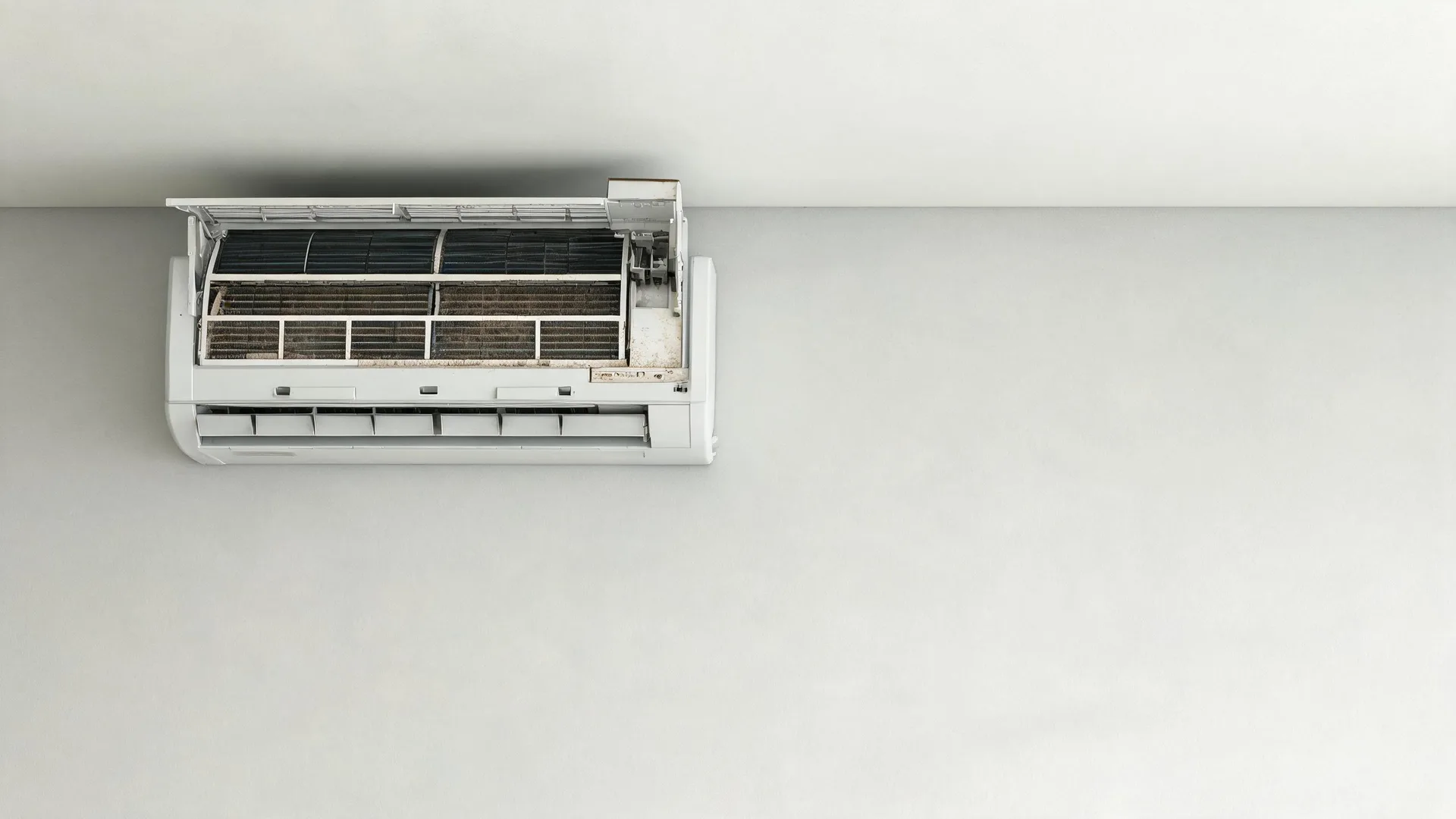
A higher rating costs more up front and pays back over years

The jump from a standard rating to a high one adds to the price of the unit itself. That difference comes back slowly, through lower power bills over the years the system runs, not months. A standard rating on a correctly sized unit still heats and cools the room the way it should. The higher rating doesn't change what the room needs, only what it costs to meet that need each month. Ask the installer what rating the unit carries before it goes in, so the number on the bill isn't a surprise.

Sizing a mini split starts with a heat load calculation, not a guess based on square footage alone. An installer works out how much heat a room gains in summer and loses in winter, and that depends on more than floor space. Window count and direction matter, since a wall of west-facing glass brings in far more heat than a shaded north wall. Ceiling height changes the volume of air being conditioned. What's on the other side of the walls matters too, an interior room shares its temperature with the rest of the house, while a room over a garage or under a flat roof fights harder to hold steady. A unit sized too small runs constantly and never quite catches up on the hottest days. One sized too big cools the air fast but shuts off before it pulls the moisture out, leaving the room cold and clammy. The right fit cycles on, runs long enough to dry the air, then shuts off until it's needed again.

Installation runs in a day, start to finish. The crew mounts a bracket on the wall and hangs the indoor head on it, then sets the outdoor unit on a pad or brackets outside. A line set runs between them through a hole drilled in the wall, carrying refrigerant lines, a drain line and electrical wiring, usually hidden behind where the indoor head hangs. Once everything's connected, the installer pulls a vacuum on the line to clear out air and moisture before releasing the refrigerant into it. Skip that step or rush it, and moisture left behind can damage the compressor down the road. After that the installer checks refrigerant pressure, confirms the indoor and outdoor units are talking to each other, and runs the system through a full heating and cooling cycle before calling it done.