A lit mountain lodge-style home at night with evergreen trees, stone accents, and snow-capped mountains in the background.

AC Installation in Rifle, CO

Tell us about the job

Takes about a minute. No obligation.

New system or replacementCentral ACGarfield County, CO
Step 1 of 2

What ZIP code is the job in?

Most homes here run on gas

Utility gas heats 64.8% of occupied homes in Garfield County, with electricity a distant second at 23.2%. A furnace is still the usual partner for central air in this area, with the AC handling cooling and the furnace handling heat through the same ducts.


What that means for your install

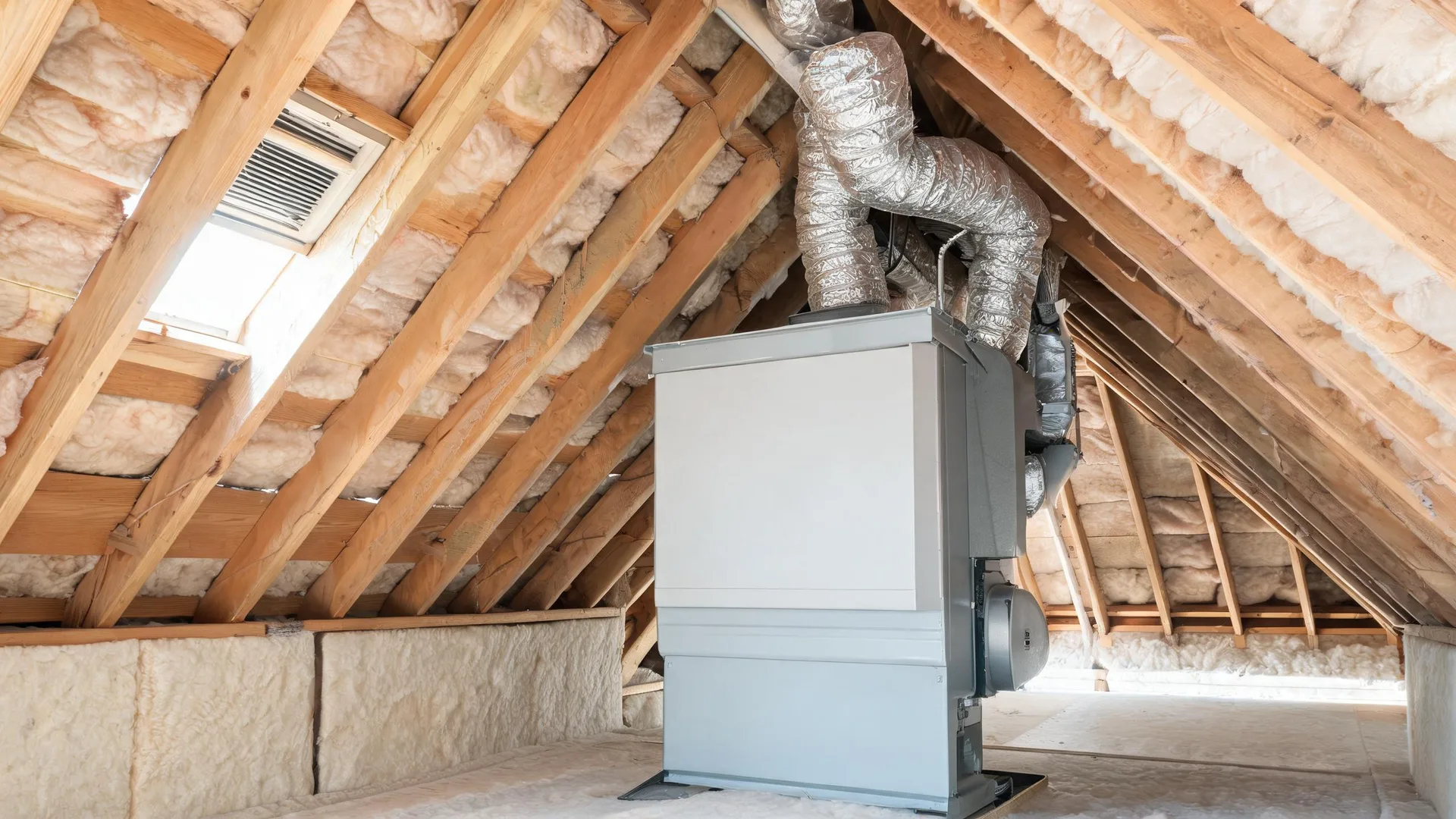
If your home already has a gas furnace, the new AC unit just needs to match up with that existing ductwork and furnace. The contractor sizing the job will want to know what you're working with before anything is replaced.

77°F
the average summer afternoon it cools against
3 hail events
in ten years, and hail bends the fins on outdoor coils
13.4 SEER2
the federal minimum any new unit must meet
Isometric line illustration of a cutaway house showing interior rooms with ductwork, an indoor air handler, and an outdoor condenser unit connected by lines, on a white background.
Your air conditioner works hardest from July through August.

NOAA nClimDiv, 1991–2020 normals

Garfield County sees winter storms and damaging wind most years, not hail.

A standard AC unit, installed correctly, holds up fine against what this county actually gets.

Cheap power here means payback on a high-efficiency unit takes longer

Power costs 14.92 cents a kWh statewide
Summer afternoons average 77°F
144 damaging wind events from 2015 to 2024

Summer afternoons in Garfield County average 77°F in June, July and August, and some months don't call for cooling at all. An AC unit here just isn't working as hard as one in a hotter state. That matters when you're picking a system. A straightforward, reliably built unit will keep up fine with what this county asks of it. You don't need to pay for the highest efficiency tier to get a system that holds up, since the load it's built to handle rarely shows up here.

Any new AC here has to clear 13.4 SEER2

Garfield County falls in climate zone 5B, where heating carries most of the load. Federal rules still set a floor for cooling equipment. Split systems under 45,000 Btu/h have to meet at least 13.4 SEER2. That's the minimum a contractor can install, not a tier you need to chase past.

Find a contractor
A gray cylindrical air conditioning condenser unit mounted on a concrete pad next to a light-colored vinyl-sided house exterior.

Low hours, year after year

At 77°F on an average summer afternoon, the compressor just doesn't log many hours in a year here. Pick a unit built on a solid track record over one chasing a top efficiency number, and let the contractor size it to your ductwork and your furnace. A system that's easy to service tends to matter more over time than one rated for a load this county rarely produces.

The old unit gets disconnected and hauled off

The contractor will recover the refrigerant from the old system before touching anything else. That's not optional. Refrigerant can't just be vented into the air, so a technician pulls it into a tank with a recovery machine, then disconnects the lines, pulls the old condenser, and takes it with them.

Your ductwork and furnace usually stay put

If the old AC was paired with a furnace through shared ductwork, that furnace and that ductwork aren't going anywhere. The new condenser and coil just need to match what's already moving air through your home. The old coil inside the furnace plenum does get swapped for one that matches the new system.

Aerial view of a gray outdoor air conditioning condenser unit mounted on a concrete pad next to a house with vinyl siding.

Going above the federal minimum saves little here, about $10 a year.

  • A higher-efficiency unit$60 a year
  • A new unit at the federal minimum, 13.4 SEER2$70 a year

Estimates for a typical Garfield County home, from EIA household energy data, Colorado fuel prices and NOAA climate normals. Your home will differ.

Installation day usually runs start to finish in one visit. With the old system already recovered and pulled, the crew sets the new condenser on the pad and runs the lines to the coil inside the furnace plenum. Once the connections are made, the system gets charged with refrigerant. Then it gets tested. A contractor will check the charge, check airflow through the ductwork, and confirm the thermostat is actually talking to the new system. That last step matters more than it sounds like it should, since a thermostat built for the old equipment doesn't always pair cleanly with the new one. By the time the crew leaves, the system should be running and cooling, not just sitting there installed.