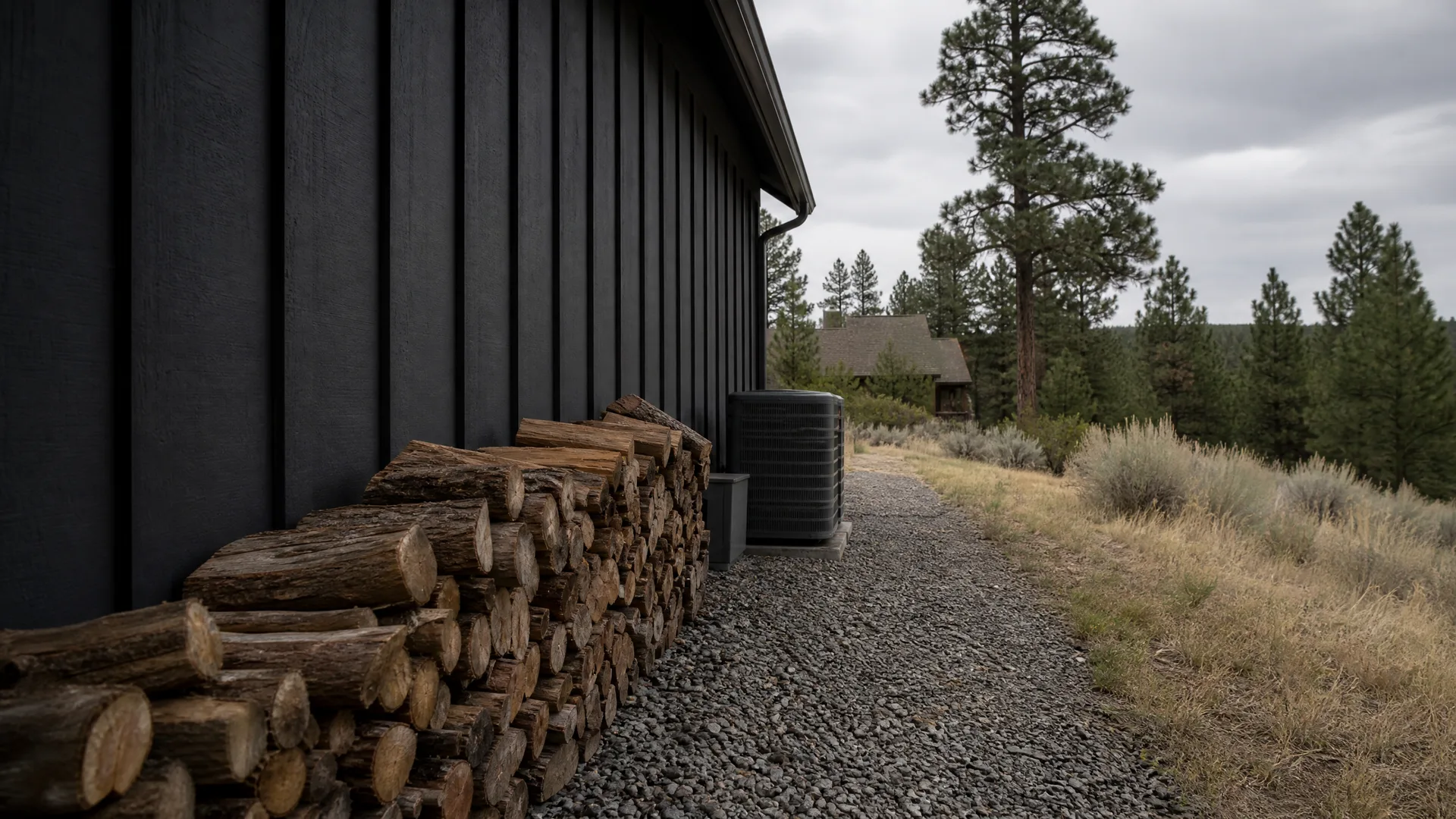
Stacked firewood along the dark vertical-board wall of a house beside a gravel path with two outdoor condenser units, with pines, dry grass and an overcast sky beyond.

AC Installation in Manassa, CO

Tell us about the job

Takes about a minute. No obligation.

New system or replacementCentral ACConejos County, CO
Step 1 of 2

What ZIP code is the job in?

Gas heat is the norm here

Utility gas heats 38.4 percent of homes in Conejos County, more than any other fuel. Bottled or LP gas heats another 17 percent. Most of these houses already run a gas furnace, with a central air conditioner either added onto it or installed alongside it.


What that means for an AC install

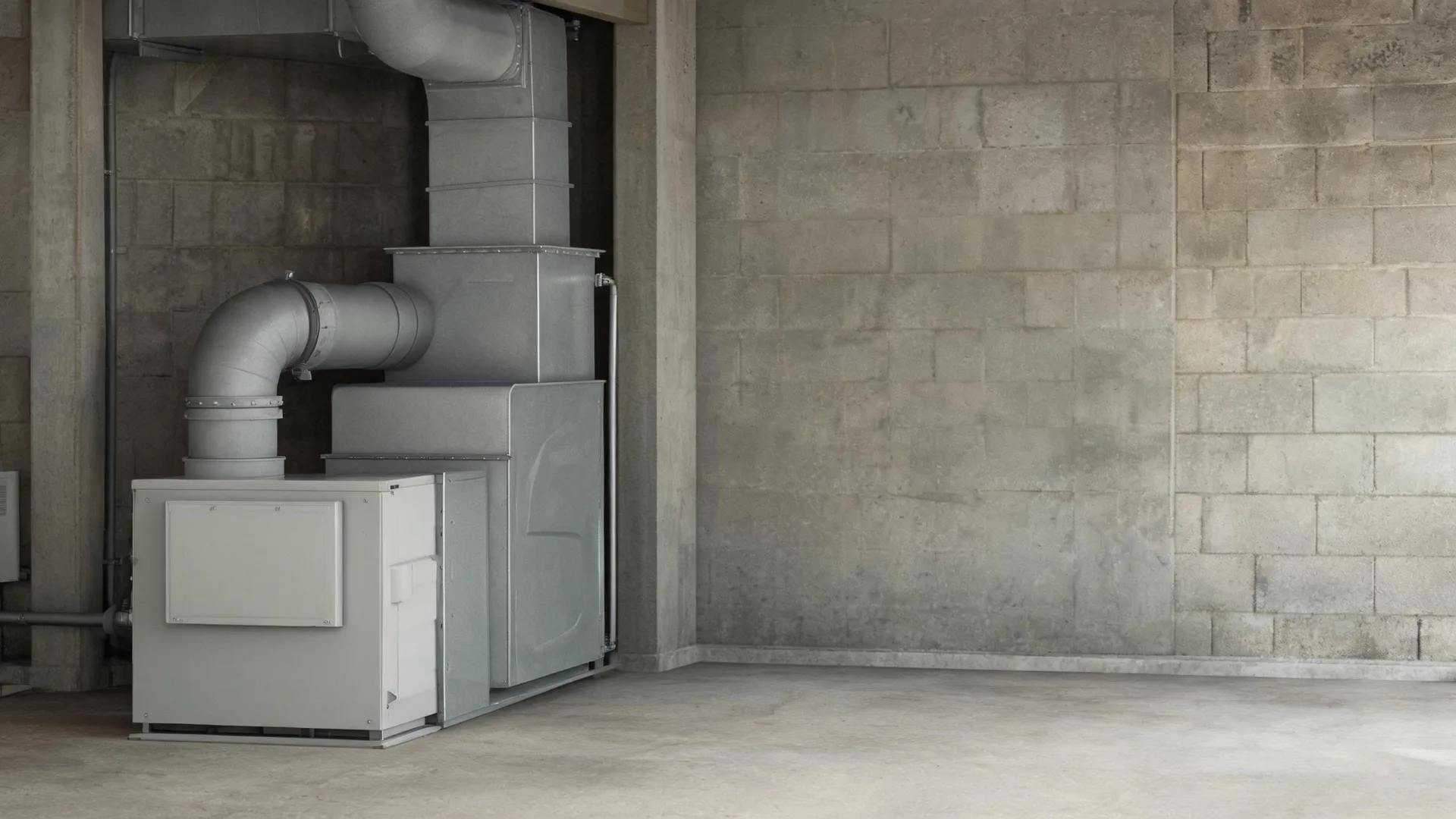
If your home heats with a gas furnace, the AC install usually means adding a coil and outdoor condenser to work with the ductwork and blower already in place. The furnace stays as it is. The job is matching the new system to what's already there, not rebuilding it.

73°F
the average summer afternoon it cools against
13.4 SEER2
the federal minimum any new unit must meet
Isometric cutaway illustration of a small house showing interior rooms, ductwork, an indoor air handler, and an outdoor condenser unit connected by lines, on a plain white background.
Your air conditioner works hardest from June through August.

NOAA nClimDiv, 1991–2020 normals

Half the homes in Conejos County were built in 1982 or later, and mobile homes make up 16.9 percent of the housing here.

Neither age nor home type changes what an AC install needs. A system sized to the house in front of it is the job.

Cheap power here means payback matters less than picking a system that holds up

Power costs 14.92 cents a kWh statewide
Summer afternoons average 73°F
24 damaging wind events from 2015 to 2024
Fit and reliability matter more than efficiency hereColorado power ran 14.92 cents per kilowatthour in 2024

The old condenser comes out once the new one is set and charged. A contractor will recover the refrigerant from the old unit rather than let it vent, since that's required regardless of what's being replaced. If the coil inside the furnace plenum is being swapped too, that comes out at the same time, along with the old line set if it's not being reused. Most of what's left, the old compressor, the cabinet, the coil, gets hauled off as scrap metal. None of it gets left behind for the homeowner to deal with. The furnace itself is untouched through all of this, since the install only adds the cooling side.

Any new system here has to meet 13.4 SEER2

Conejos County falls in climate zone 6B, and any split-system air conditioner installed here has to meet the federal minimum of 13.4 SEER2. That's the floor, not a suggestion, and it narrows down what a contractor can put in. Worth sorting out now, before you're comparing units.

Find a contractor
A man in a dark shirt and tan work pants, seen from behind, climbs porch steps toward a red front door while carrying a waxed canvas tote bag.
An outdoor residential air conditioning condenser unit mounted on a concrete pad, surrounded by gravel with a blue sky in the background.

The number on the label is a ratio, not a guarantee

SEER2 is a ratio, not a size. It compares the cooling a system puts out over a season against the electricity it draws to do it. A higher number on the label means the compressor and coil get more cooling out of the same power, nothing more. It doesn't tell you how big a system the house needs or how fast it pulls the heat down on a hot afternoon. That's a sizing and ductwork question, separate from efficiency. Systems carrying the same rating can still perform differently once installed, because airflow, duct sealing and a correctly charged line set all affect what actually reaches the rooms. The number on the label describes the equipment tested on its own, not the system once it's tied into the ducts and the house around it. It's still the right place to start a comparison, since it sets the floor for what can legally go in. It just isn't the whole comparison.

Size drives cost more than brand

A contractor sizes the system to the square footage, the ceiling height, the window area and how much shade the house gets, then runs a load calculation to land on tonnage. Go up a ton and you're paying for a bigger compressor, a bigger coil, heavier wire and sometimes a bigger breaker. The brand on the cabinet moves price some. The tonnage moves it more.

What's hidden behind the walls decides the labor

If the ductwork and the line set are already sized right for the new system, the job is mostly swapping equipment. If the old ducts are too small for the new blower, or the line set has to be replaced instead of reused, that's added labor and material before the new unit ever gets charged up. A straightforward swap and a job that needs duct work aren't priced the same, and there's no way to know which one a house needs until someone's looked at what's there.

Aerial view of a residential air conditioning condenser unit mounted on a concrete pad next to a house with vinyl siding and a sliding glass door.

Going above the federal minimum saves little here, about $0 a year.

  • A new unit at the federal minimum, 13.4 SEER2$0 a year
  • A higher-efficiency unit$0 a year

Estimates for a typical Conejos County home, from EIA household energy data, Colorado fuel prices and NOAA climate normals. Your home will differ.

Install day starts with the old equipment coming apart before the new goes in. The refrigerant lines get cut loose from the outdoor condenser and the coil, and the electrical disconnect gets pulled first so nobody's working near a live circuit. Setting the new outdoor unit means leveling a pad outside and running new line set or reusing the old if it tests clean. Inside, the coil goes into the plenum above or beside the furnace, sealed so air isn't leaking around it instead of through the ducts. Once everything's connected, the line set gets pulled down to a vacuum to clear out air and moisture before any refrigerant goes in, since either one left in the lines will keep the system from running right. Only after that is the system charged, and a tech will run it and check the temperature split across the coil before calling it done.