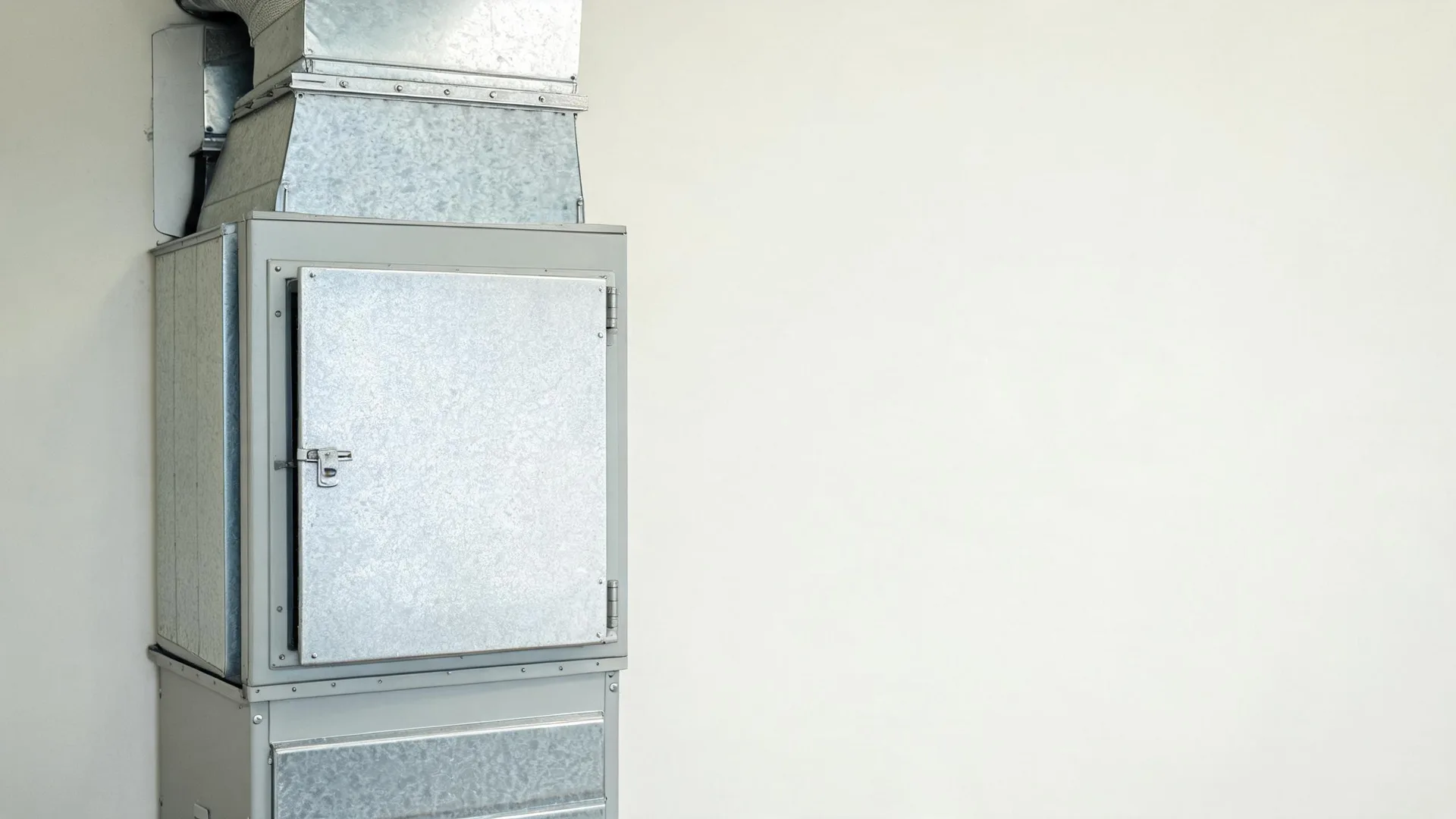
Most homes here run on gas furnaces
61.9% of occupied homes in Moffat County heat with utility gas. Homes like that already have ductwork in place, and central air conditioning uses that same ductwork.
Takes about a minute. No obligation.
61.9% of occupied homes in Moffat County heat with utility gas. Homes like that already have ductwork in place, and central air conditioning uses that same ductwork.
If a gas furnace is already moving air through ducts, adding central air usually means matching a condenser and coil to that system rather than rebuilding how air moves through the house.

NOAA nClimDiv, 1991–2020 normals
Cooling in Moffat County runs in July, one month out of the year.
Get the new system in before June and installation happens on your timeline, not during the one month you need it working.



A standard-efficiency AC matched to your home's size is the right call here. Moffat County sees damaging wind and winter storms on a regular basis, so the bigger question for any outdoor equipment is whether it can take a season of hard weather, not whether it carries a premium SEER2 rating. A unit built to spec and installed correctly will hold up through that. There's no local reason to pay more for efficiency beyond what fits your house and your ductwork.
July is the only month this system has to work. The rest of the year it sits. A standard-efficiency unit sized right for your house can handle that one month for years without trouble.
Find a contractorSizing starts with a load calculation, not a tape measure around the old unit. A contractor works out how much heat the house gains through the walls, windows, roof and from the people and appliances inside it, then matches a system to that number. Too big and the compressor cycles on, cools the air fast, and shuts off again before it pulls moisture out of the house. That leaves rooms feeling clammy even at the right temperature, and all that starting and stopping is harder on the compressor than running a full cycle. Too small and it runs constantly on the hottest days and still can't keep up. The right size runs long enough to dry the air out, then shuts off. Ductwork factors into the same calculation. A condenser sized for the house but paired with ducts that can't move that much air will struggle no matter what the nameplate says.
A higher number means the compressor does the same cooling on less power. It says nothing about how long the unit lasts or how it holds up to wind, dust or a hard freeze. A unit with a lower number can be built just as well as one with a higher number.
A higher efficiency rating costs more up front, and that cost only comes back to you through hours of run time. A system that runs daily for months earns back that cost. A system that sits idle most of the year never gets the chance.
Estimates for a typical Moffat County home, from EIA household energy data, Colorado fuel prices and NOAA climate normals. Your home will differ.
Installation day starts with the old equipment coming out. The condenser gets disconnected and set aside, the refrigerant lines get drained, and if there's a coil inside the furnace that comes out too. The new coil has to match the furnace's airflow. The line set connecting the coil to the outdoor condenser usually gets replaced rather than reused, since old lines can carry contamination into a new system. Once the condenser is set on its pad and the lines are run, the system gets charged with refrigerant to the exact amount the manufacturer specs, not a rough fill. The last part takes the longest. A tech checks airflow at the vents, checks the charge, and makes sure the thermostat is actually talking to the system before calling the job done.