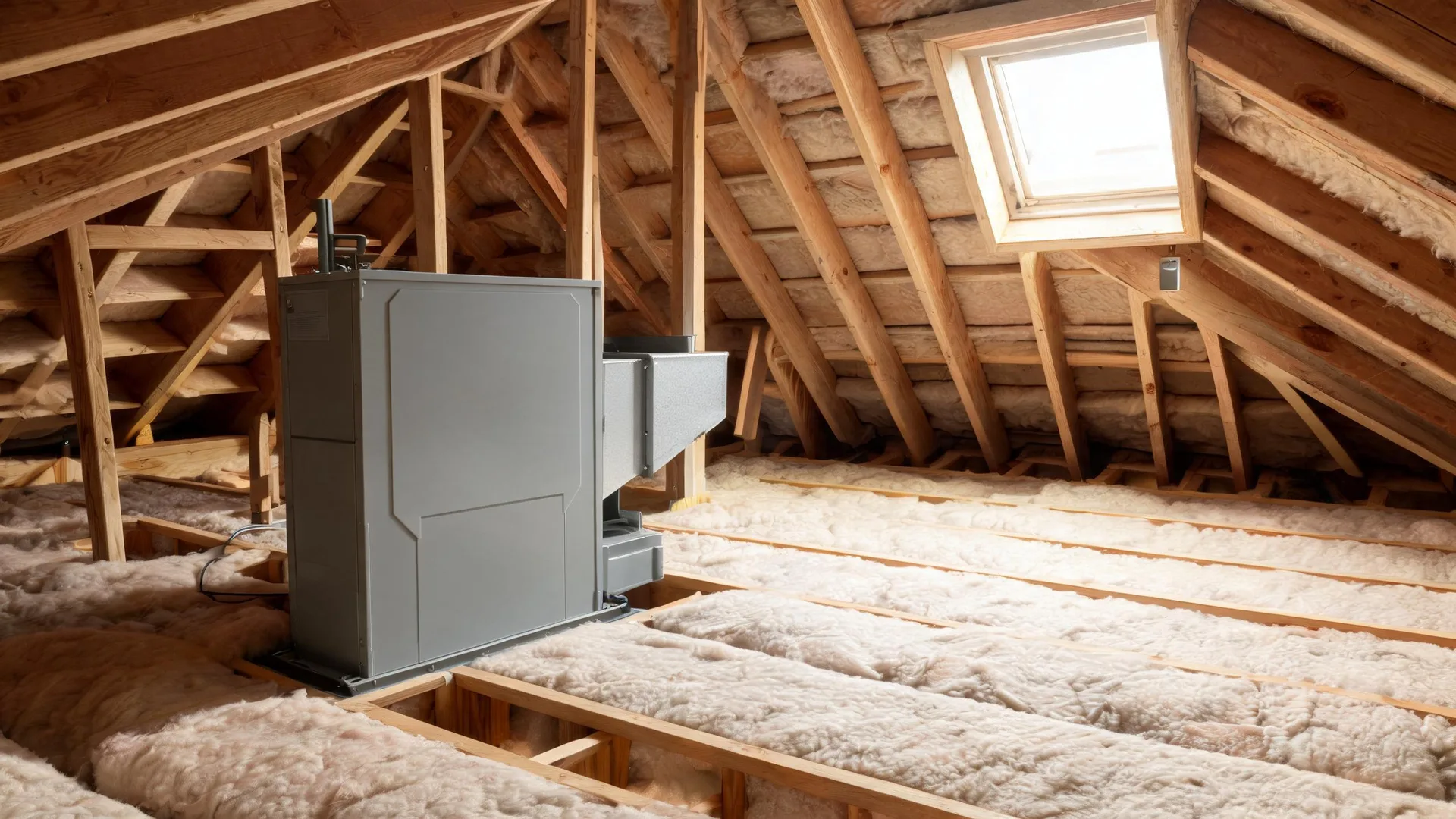
Gas heat is the norm here
Just under half of homes in Alamosa County heat with utility gas, more than any other fuel. A quarter run on electricity, and bottled or LP gas covers another slice of homes that are not on the gas line.
Takes about a minute. No obligation.
Just under half of homes in Alamosa County heat with utility gas, more than any other fuel. A quarter run on electricity, and bottled or LP gas covers another slice of homes that are not on the gas line.
Central air installs onto a home's heating setup without much caring what fuel runs it. Whether the furnace next to it burns gas or propane, or there's an electric air handler instead, the AC side of the job is largely the same.

NOAA nClimDiv, 1991–2020 normals
Colorado homes paid 14.92 cents per kilowatthour in 2024, below the national average.
A high-efficiency AC unit saves less here each month, so it takes longer to earn back the extra cost.




Alamosa County sits in zone 6B, a cold, dry part of the state with winter stretching most of the year. Any split-system AC under 45,000 Btu/h built new has to hit at least 13.4 SEER2 to be sold at all. That floor comes from federal rule, not anything particular to Alamosa, so a contractor here is working from the same baseline as one anywhere else. What's local is how much that unit runs and what it costs to keep it running, not the rating printed on the box.
With power this cheap, a high-efficiency unit takes years longer to pay back its extra cost. Put that money toward the install itself, the sizing, the ductwork, the setup. Get a quote and talk through what fits this house.
Find a contractorThe old condenser and coil don't go in the trash without a step first. Refrigerant has to be recovered out of the lines into a tank, not vented to the air. Once that's done the line set gets cut, the old coil comes out of the plenum, and the condenser gets unbolted from its pad. If the ductwork and plenum are being reworked to match the new unit, that happens next, before the new coil goes in. None of this is salvage work. The old equipment is sized and worn for a system that's being replaced for a reason, so there's nothing to keep.
A contractor should size the system by measuring the house. Window area, insulation, duct layout, all of it factor in. Going by square footage alone or matching the old unit leads to a system that's too big. An oversized AC cools the room fast and shuts off before it pulls the moisture out of the air, so the space feels clammy even at the right temperature.
The new condenser and coil have to match the airflow the existing ducts can actually move. If the ducts are undersized or leaky, the best unit on the market won't perform right. A contractor worth hiring checks static pressure and duct condition before quoting equipment, not after.
Estimates for a typical Alamosa County home, from EIA household energy data, Colorado fuel prices and NOAA climate normals. Your home will differ.
Installation starts with the old system coming out. The condenser gets disconnected first, then the indoor coil, which usually sits in the plenum right above or beside the furnace. Running new line set and setting the coil takes a good chunk of the day, since every joint has to be brazed and then pressure tested before any refrigerant goes in. A crew that knows what it's doing holds that pressure test and watches the gauges rather than rushing to charge the system. After that comes a vacuum to pull any air and moisture out of the lines, which takes longer than most homeowners expect. Only once that's done does the refrigerant charge get weighed in and the thermostat wired up. Before anyone leaves, the system should run a full cycle while someone checks the temperature split at the vents and the pressures at the condenser, not just that air is blowing cold.