





Illuminated timber-and-stone luxury homes photographed at twilight with snow-capped mountains visible in the background.

AC Installation in Greeley, CO

Tell us about the job

Takes about a minute. No obligation.

New system or replacementCentral ACWeld County, CO
Step 1 of 2

What ZIP code is the job in?

Gas heats 73 percent of homes in Weld County, and that matters for an AC installation because most of those homes already have a furnace with ductwork sized for it. A new air conditioner pairs with that furnace, sharing the same ducts and often the same blower. If your home is part of the 18 percent on electric heat, you may have a heat pump or electric furnace instead, and that changes what the installer needs to check before adding or replacing cooling equipment. Either way, the ductwork already in place has a lot to do with which size and type of system makes sense.

3 months
June through August, your air conditioner is on duty
86°F
the average summer afternoon it cools against
388 hail events
in ten years, and hail bends the fins on outdoor coils
13.4 SEER2
the federal minimum any new unit must meet
Isometric cutaway illustration of a house showing attic ductwork, an indoor air handler, refrigerant lines running outside, and an outdoor condenser unit on a pad.
Your air conditioner works hardest from July through August.

NOAA nClimDiv, 1991–2020 normals

Weld County sees its share of hail and wind storms.

None of that changes what size or type of AC your home needs, so a standard install is the right call here.

Three months of cooling, best installed before June

Cooling runs June through August
Summer afternoons average 86°F
172 damaging wind events from 2015 to 2024
Electricity here runs 14.92 cents a kilowatt-hourCheaper power than most places, so pick the system that fits your ducts, not the one with the highest rating

Summer here is short. Three months of real cooling, June through August, with afternoon highs averaging 86. That's not a load that calls for an oversized unit or a higher tier of equipment. A standard size, matched correctly to your home's ductwork and square footage, will keep up fine through the stretch it actually needs to work. The sizing comes from your home, not the climate. An installer measures the space and checks the existing ducts rather than building in extra capacity for heat this county doesn't get.

Your new AC needs to clear 13.4 SEER2, nothing more

Any new AC going in here has to meet 13.4 SEER2, the federal minimum for systems under 45,000 Btu/h. There's also a federal tax credit available for qualifying high-efficiency equipment, worth checking against whatever you're comparing. Either way, the minimum is what most homes here need. Put the money into matching the unit to your ductwork and square footage, not into a tier higher than this county asks for.

Find a contractor
An outdoor residential air conditioning condenser unit mounted on a concrete pad, surrounded by gravel with a blue sky in the background.

The box is the easy part

What you pay for has more to do with the install than the box on the pallet. A straightforward swap, same spot, same ductwork, same electrical, goes faster and costs less than a job where the old ducts don't match the new system's airflow needs or the line set has to be rerouted. Correct sizing takes more than square footage. An installer has to look at duct size, insulation, window placement and how many returns the house has, and matching all that to the right equipment takes real time on site. A unit that's too big for the ducts will short cycle and wear out its parts faster, so getting the size right costs something up front but saves the compressor down the line. The work matters as much as the equipment. A clean refrigerant charge, properly sealed ducts and a thermostat set up correctly make the difference between a system that hits its rated efficiency and one that never does, no matter what's printed on the unit.

The old unit gets disconnected, not just unplugged

An installer has to recover the refrigerant from the old system before touching it. That gas can't be vented into the air, so it gets pulled into a tank and taken off site. Only after that is the old unit disconnected from the electrical and cut free from the line set.

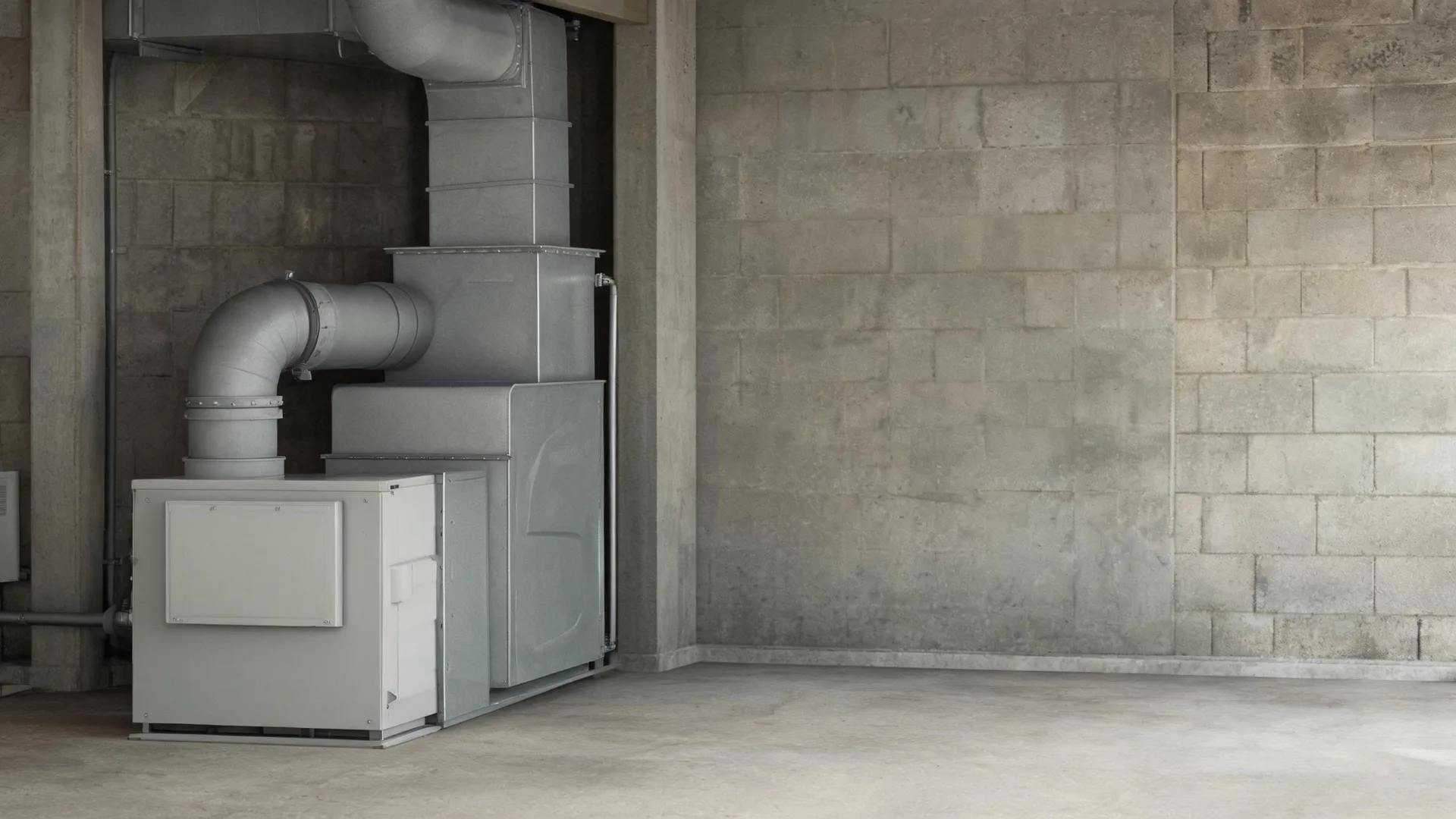
The pad and ducts usually stay

Unless the old pad is cracked or sitting wrong, the new unit sits on the same slab. The old ductwork stays too, in most cases, since it's already matched to the house. What leaves is the condenser, the coil if it's being swapped, and whatever copper line set isn't being reused.

Aerial view of a residential air conditioning condenser unit mounted on a concrete pad next to a house with vinyl siding and a sliding glass door.

A higher-efficiency unit would save about $30 a year to run in Weld County compared with a new unit at the federal minimum.

  • A higher-efficiency unit$230 a year
  • A new unit at the federal minimum, 13.4 SEER2$260 a year

Estimates for a typical Weld County home, from EIA household energy data, Colorado fuel prices and NOAA climate normals. Your home will differ.

Once the size and SEER2 number are settled, the rest comes down to what you ask each contractor bidding the job. Ask how they arrived at that size. If the answer is just square footage, push further. A proper load calculation looks at the ductwork, the windows, the insulation and the number of returns, not just the floor plan. Ask what happens to the existing ducts. Sometimes they need sealing or resizing to match the new equipment's airflow, and that work should show up in the bid rather than as a surprise once the unit is already in. Ask about warranty terms for the equipment and for the labor, since those are separate and often run for different lengths. And ask what startup includes, because checking the refrigerant charge and verifying airflow once the system is running is what makes it perform the way the rating says it will.