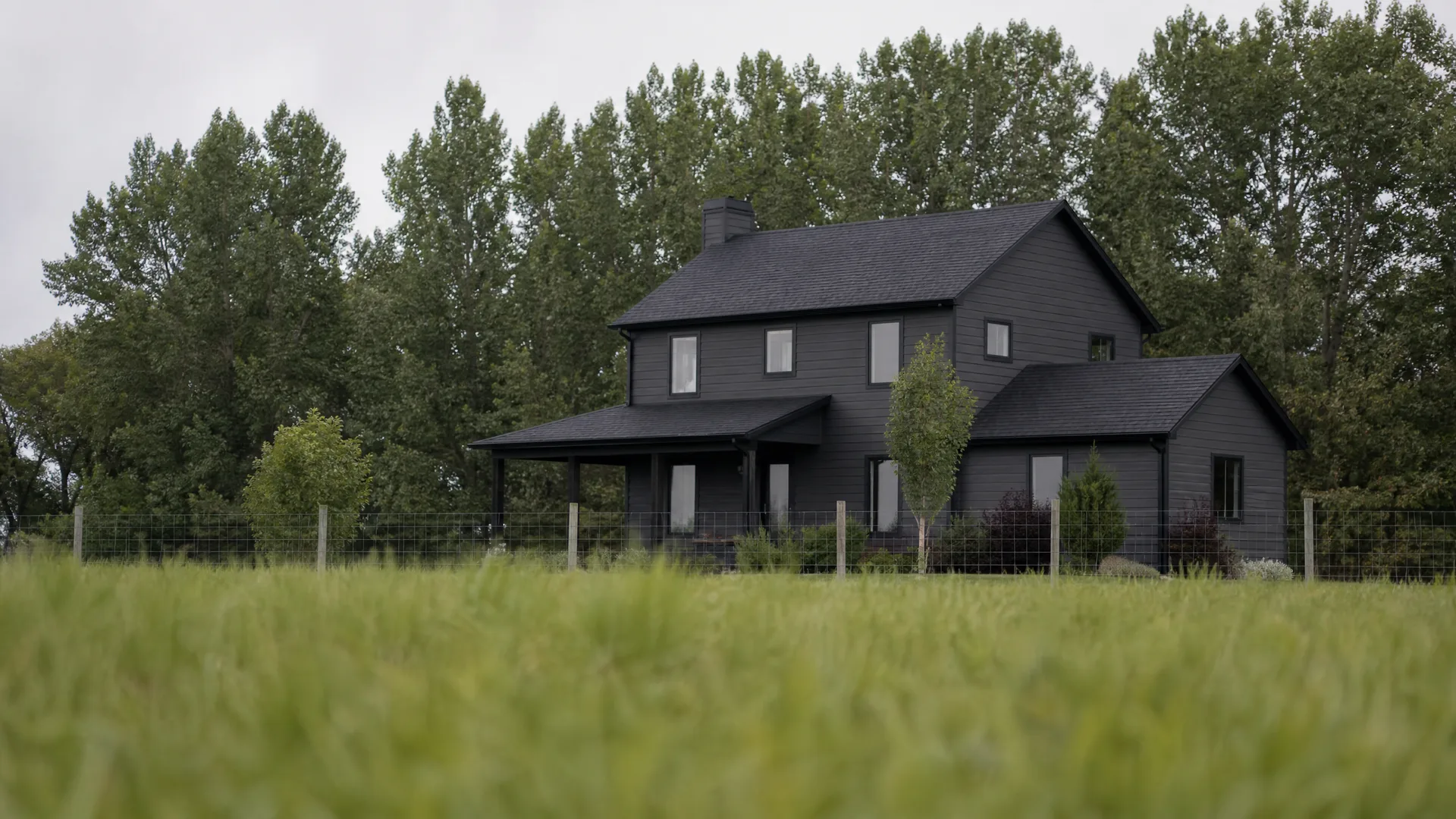
A two-story black-clad farmhouse with a covered porch and dark shingled roof stands behind a wire fence, framed by tall deciduous trees under an overcast sky, with a blurred green grass field in the foreground.

AC Installation in Yuma, CO

Tell us about the job

Takes about a minute. No obligation.

New system or replacementCentral ACYuma County, CO
Step 1 of 2

What ZIP code is the job in?

Gas heat is the norm here

Utility gas heats 57.2% of homes in Yuma County, with another 22.8% on bottled or LP gas. Electric heat makes up 17.4%. Most homes here were set up to pair a gas furnace with central air, sharing the same ducts and the same thermostat.


That shapes your AC install

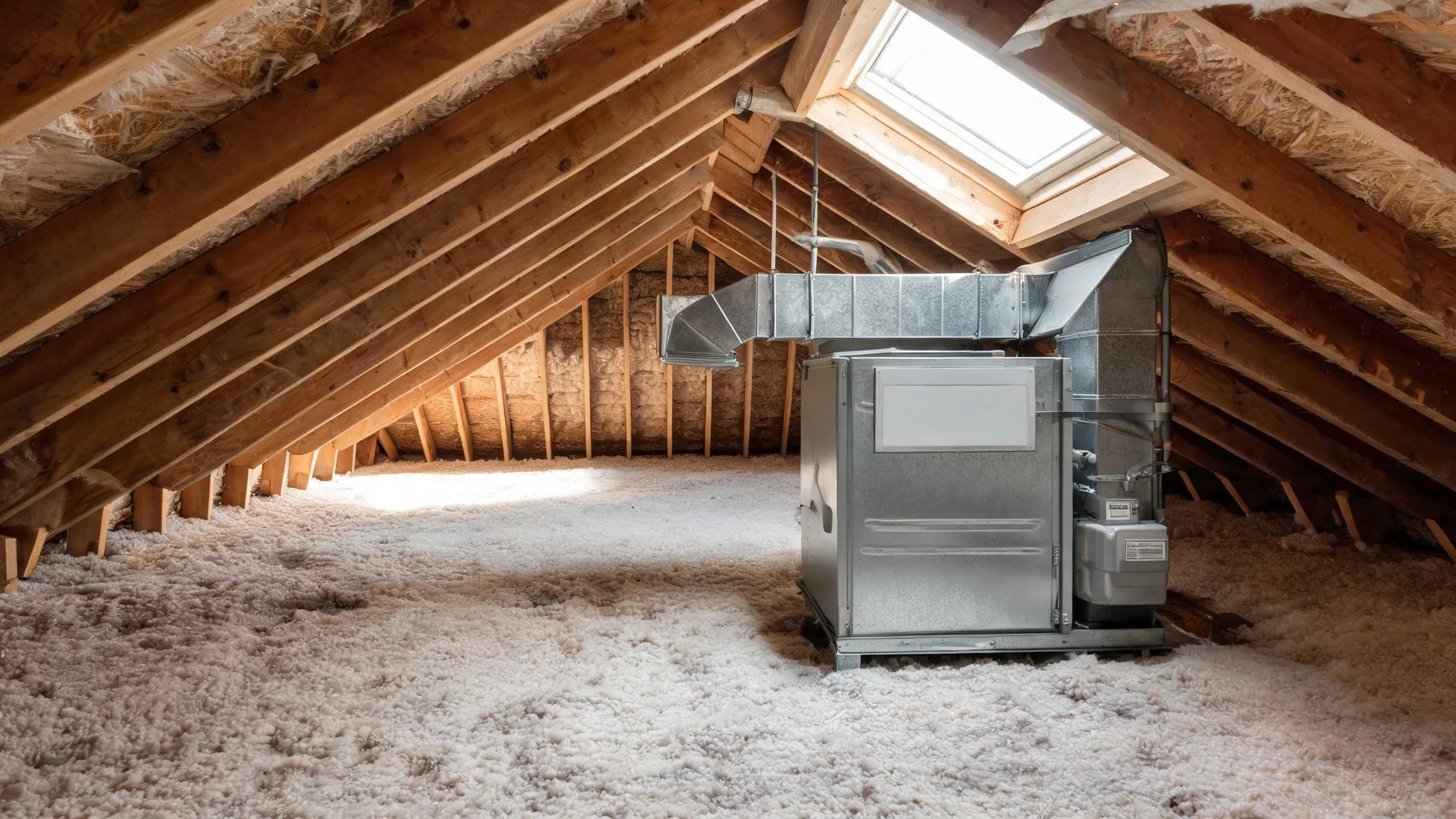
If your home heats with gas, a new air conditioner likely just needs to match up with the furnace and ductwork already there. The furnace blower moves the cooled air, so the installer will check that it fits the new unit before anything else.

3 months
June through August, your air conditioner is on duty
88°F
the average summer afternoon it cools against
331 hail events
in ten years, and hail bends the fins on outdoor coils
13.4 SEER2
the federal minimum any new unit must meet
Isometric grayscale illustration of a cutaway house with the roof lifted, showing interior rooms, ductwork, an indoor air handler, and an outdoor condenser unit beside the building.
Your air conditioner works hardest from June through August.

NOAA nClimDiv, 1991–2020 normals

The size of the unit has to match the house, not the other way around.

An installer sizes the system to the home's square footage and layout, so expect a load calculation before a quote.

Half these homes went up before central air was common, so the new system has to work with the house, not the house with it

Half the homes here were built by 1968
Cooling runs June through August
Summer afternoons average 88°F

Cooling runs June through August here, three months out of the year. May is the month to get ahead of it. Wait for the old system to fail and you're stuck with window units while an installer finds an opening in their schedule. Go in May instead and the job happens on a mild day, with time for a proper load calculation and a check of the ductwork already in place. That's worth more than it sounds like, since the new unit has to match the house, not just replace what's there.

A right-sized system is the right call here

A standard size and efficiency fits a home in Yuma County fine. Electricity here runs 14.92 cents per kilowatt-hour, nothing out of line for this part of Colorado, so there's no local reason to pay more for a higher-efficiency unit than this house needs. The load calculation tells the installer the right size. After that, it's a standard install.

Find a contractor
A gray residential air conditioner condenser unit mounted on a concrete pad in an open grass field.

The ducts were here first

An installer checking an older home's ducts before swapping in a new air conditioner is checking something that's been there since before central air was standard. That means verifying the duct sizing and the furnace blower against the new unit's specs, not just bolting it on and hoping. Ask what they found when they looked.

The old unit gets disconnected and hauled off

The refrigerant gets recovered before the old condenser is cut loose. That's not optional, it's the law, and it's why you can't just leave the old unit at the curb for the trash truck. Once it's disconnected, the installer takes it when the new one goes in.

The refrigerant matters more than the metal

Older systems often ran on a refrigerant that's been phased out, so that old condenser can't just get refilled if it's low. That's part of why a repair quote on an old unit can turn into a replacement conversation fast.

An outdoor air conditioning condenser unit installed beside the exterior wall of a blue vinyl-sided house at sunset.

A higher-efficiency unit would save about $50 a year to run in Yuma County compared with a new unit at the federal minimum.

  • A higher-efficiency unit$330 a year
  • A new unit at the federal minimum, 13.4 SEER2$380 a year

Estimates for a typical Yuma County home, from EIA household energy data, Colorado fuel prices and NOAA climate normals. Your home will differ.

Install day starts with the old condenser coming out and a new pad going down, since the new unit may not sit the same way the old one did. The line set gets connected, and most installers either flush the existing lines or run new ones rather than trust what was already there. The system gets evacuated to pull out moisture and air before any refrigerant goes in. Wiring is its own step, matching the new unit's disconnect to what's already at the house. Then comes startup. The installer checks refrigerant charge, airflow across the coil, and makes sure the thermostat is actually calling for cool before anyone packs up. A good installer lets it run for a while first, not just flips it on and leaves.