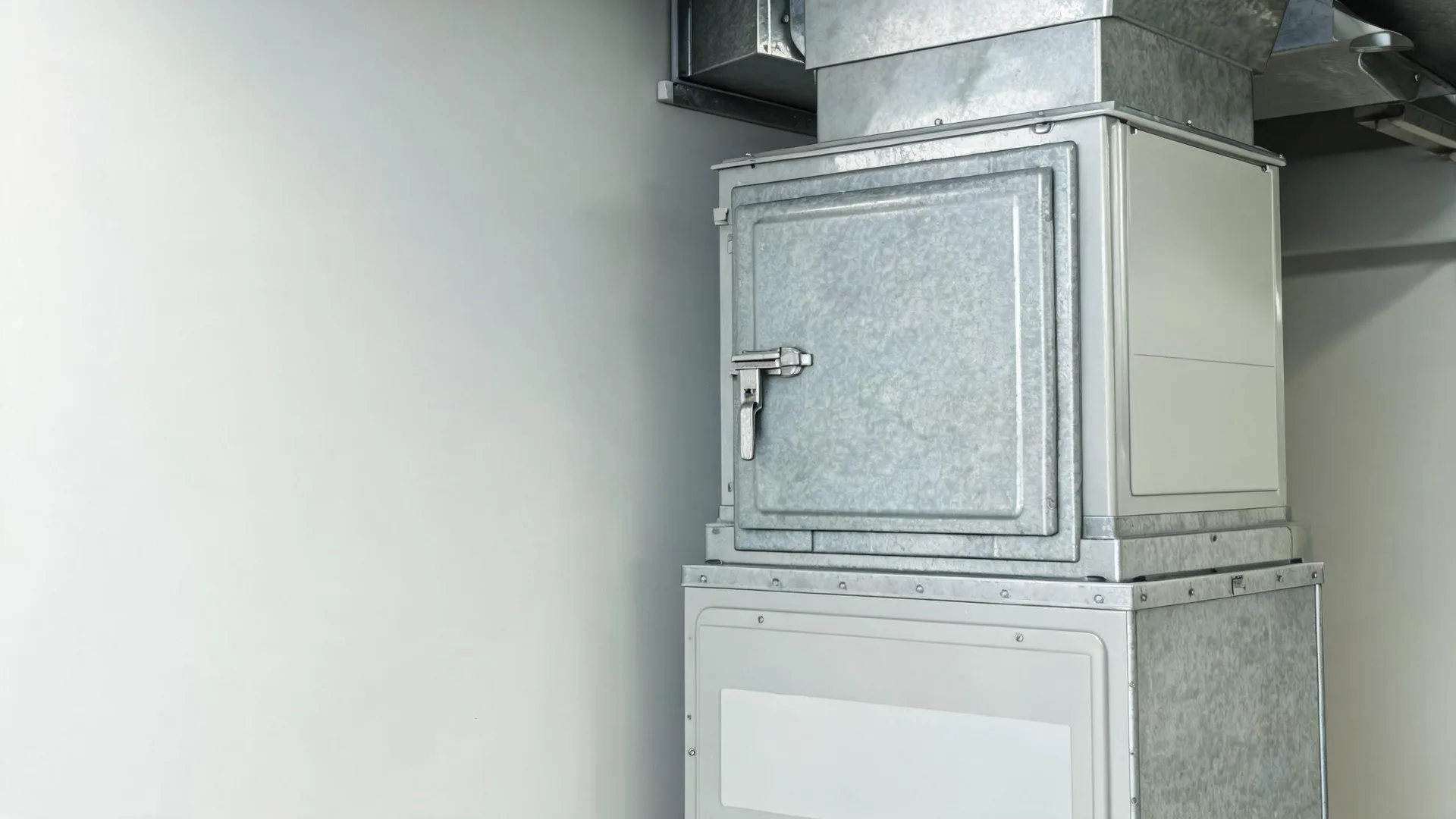
Most homes here run on gas furnaces
Gas heats 65.4% of occupied homes in Arapahoe County. That means most houses already have a gas furnace paired with an air handler, with central air added onto that same ductwork.
Takes about a minute. No obligation.
Gas heats 65.4% of occupied homes in Arapahoe County. That means most houses already have a gas furnace paired with an air handler, with central air added onto that same ductwork.
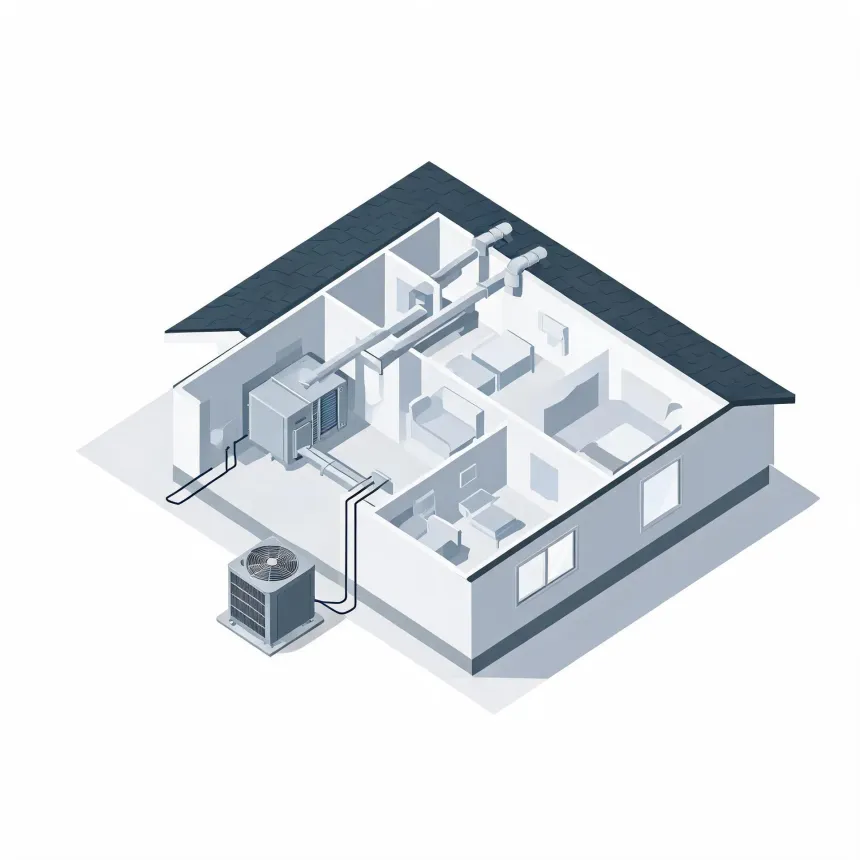
The condenser outside is only one part of the system. Whoever installs it has to size it to work with the existing furnace and ducts, not just set a bigger unit next to the house.
NOAA nClimDiv, 1991–2020 normals
The condenser has to match the coil and the air handler, not just the house it sits next to.
A mismatched set runs longer, wears sooner, and never quite gets the house to temperature.




Arapahoe County sits in climate zone 5B under the 2021 energy code, a zone built around cold, dry winters rather than cooling. Any split-system air conditioner installed here still has to meet the federal floor of 13.4 SEER2 if it's under 45,000 Btu/h, which covers most residential systems. That number sets the baseline, not the ceiling. A contractor sizing your system can go above it, but nothing on the market now can legally go below it. If you're replacing an older unit, this is likely already a step up in efficiency, since that minimum has risen over the years. A federal tax credit is available on qualifying equipment, worth checking against whatever model you're comparing.
Power is cheaper here, so the most efficient model takes longer to pay off. Reliability and fit matter more.
Find a contractor
The old condenser gets disconnected and hauled off, along with the old coil if it's being swapped too, since coils fail and leak refrigerant over time just like condensers do. If the system runs on an older refrigerant, there are rules about how it has to be recovered rather than vented, so that part of the job isn't optional. The ductwork and the furnace usually stay. If the new air handler or coil has a different airflow rating than the old one, a few duct runs or the plenum might need adjusting so air moves through the house the way it's supposed to. An old system that's run for many summers often has a worn contactor, a dirty coil, or a blower wheel caked with dust, none of which transfer over even if the rest of the house stays the same.
A contractor should run a load calculation on the house, room by room, before naming a tonnage. If the number they give you matches the old system with no explanation, they probably measured the old equipment instead of the house. Oversized units cool the air fast and shut off before they pull the moisture out, which leaves rooms feeling clammy even at the right temperature.
The new coil and air handler move a different amount of air than the old ones did, even within the same tonnage. If nobody checks the plenum and the duct runs against the new airflow rating, the system can end up short on air in some rooms and overloaded in others. A contractor who walks the ductwork before quoting the job is telling you something. One who doesn't mention it at all is too.
Estimates for a typical Arapahoe County home, from EIA household energy data, Colorado fuel prices and NOAA climate normals. Your home will differ.
Install day starts with the refrigerant coming out of the old system, recovered into a tank rather than let loose into the air. Once the lines are empty, the old condenser gets unbolted from its pad and the old coil comes out of the plenum above the furnace. The new coil goes in first, sealed into the ductwork, then the line set gets run to wherever the new condenser will sit. Those lines get brazed, not just clamped, and the joints get checked for leaks before anything is charged. The system gets pulled down to a vacuum to clear out air and moisture, because either one left behind will ruin the refrigerant and the compressor with it. Only after that vacuum holds does the refrigerant go in, weighed to the amount the new equipment calls for, not eyeballed.