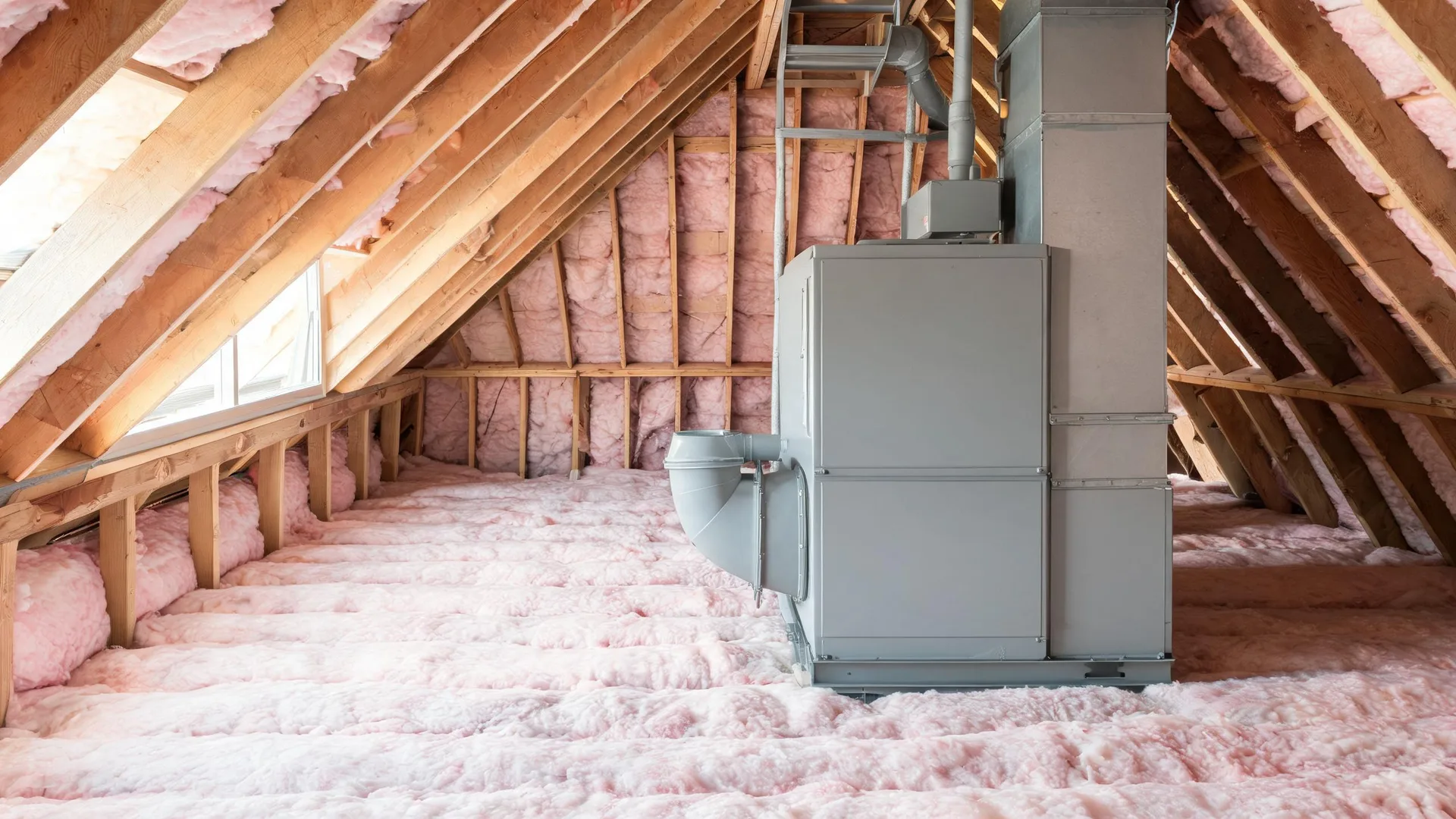
Gas furnaces are the common setup here
Utility gas heats 57.3% of homes in Logan County, more than electricity and LP gas combined. A central AC system here usually pairs with a gas furnace, sharing the same ductwork and air handler.
Takes about a minute. No obligation.
Utility gas heats 57.3% of homes in Logan County, more than electricity and LP gas combined. A central AC system here usually pairs with a gas furnace, sharing the same ductwork and air handler.
If your home heats with a gas furnace, the ducts for AC installation are probably already in place. That keeps the job focused on the outdoor unit, the coil and the connections, rather than adding duct runs from scratch.

NOAA nClimDiv, 1991–2020 normals
A standard-size system is sized for Sterling homes, not an oversized one.
There's no reason to pay for extra tonnage or a higher SEER2 rating than this place calls for.




Cooling here runs June through August, so May is the month to get a new system in. Install it after the heat has already started and you are waiting on parts or a crew while the house has no relief. Install it in May and the unit is running clean before it has to work. Mild weather also gives the installer room to check the charge and airflow properly, without anyone waiting on the other side of the door.
Logan County sits in zone 5B, a cool climate where heating carries the bigger load. That doesn't loosen the cooling side. Any split-system central AC installed here now has to meet a federal minimum of 13.4 SEER2, and that's the floor for what an installer can put in.
Find a contractor
The SEER2 number on the label is measured in a lab, across a range of outdoor temperatures, not at one peak moment on the hottest afternoon. It tells you how the system performs on average, not how hard it can work on the worst day. A higher number means the compressor and coil move the same heat out of the house using less electricity to do it, but only if the rest of the system lets it. Pair a high-rated condenser with the wrong coil, or connect it to ductwork that can't move enough air across the coil, and it will never deliver the number on its sticker. The rating describes what the equipment can do under the right conditions, not a guarantee, and it says nothing about how fast a house cools or how long the system lasts. A coil that's undersized, a charge that's off, or a duct run that's too restrictive will show up as a bill that doesn't match the label, no matter how good that label looked at the store.
An outdoor condenser is built to work with a specific coil size and a specific refrigerant line diameter. Swap in a mismatched coil or reuse old line set that is too narrow or too wide, and the system will never hold the correct charge, no matter how carefully it is set. That mismatch is often the difference between a straightforward swap and a job that needs new coil, new lines, or both.
The outdoor unit needs clear airflow on all sides and a solid, level pad to sit on. If the old pad is cracked or sinking, or the unit has to move to a new spot for clearance, that is extra work before the refrigerant lines ever get connected. A straightforward swap stays straightforward when the pad and the location are already right.
Estimates for a typical Logan County home, from EIA household energy data, Colorado fuel prices and NOAA climate normals. Your home will differ.
Installation day starts with the old system coming out, condenser, coil, and the line set if it's being replaced too. The installer checks the pad and the electrical disconnect before anything new goes in. Setting the new condenser and coil comes next, then the lines get connected and the whole system is pressure tested for leaks before it's charged with refrigerant. Charging isn't a fill and done step. The installer weighs in the charge and then checks it against the system's target numbers, adjusting until airflow and refrigerant pressure line up. Only after that gets tested does the thermostat get wired in and the system run through its paces, cooling the house while someone checks the supply air temperature at the vents. A job with no surprises in the ductwork or electrical panel wraps in a day.