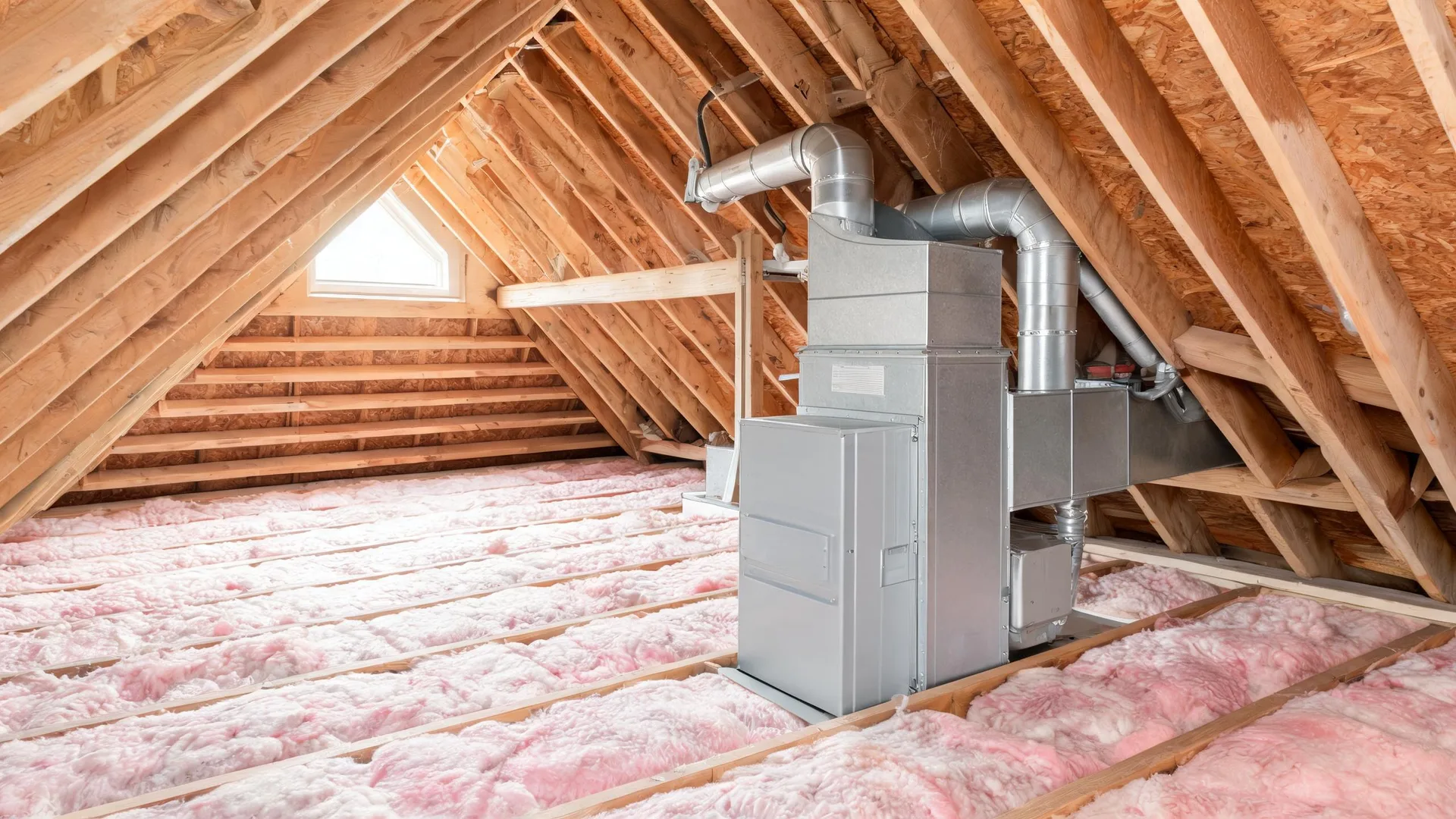
Most homes here run on gas
Utility gas heats 77.6% of occupied homes in Otero County. Electricity accounts for 13.3%, and LP gas another 5.6%. A central air conditioner paired with a gas furnace is the setup most installers here see first.
Takes about a minute. No obligation.
Utility gas heats 77.6% of occupied homes in Otero County. Electricity accounts for 13.3%, and LP gas another 5.6%. A central air conditioner paired with a gas furnace is the setup most installers here see first.
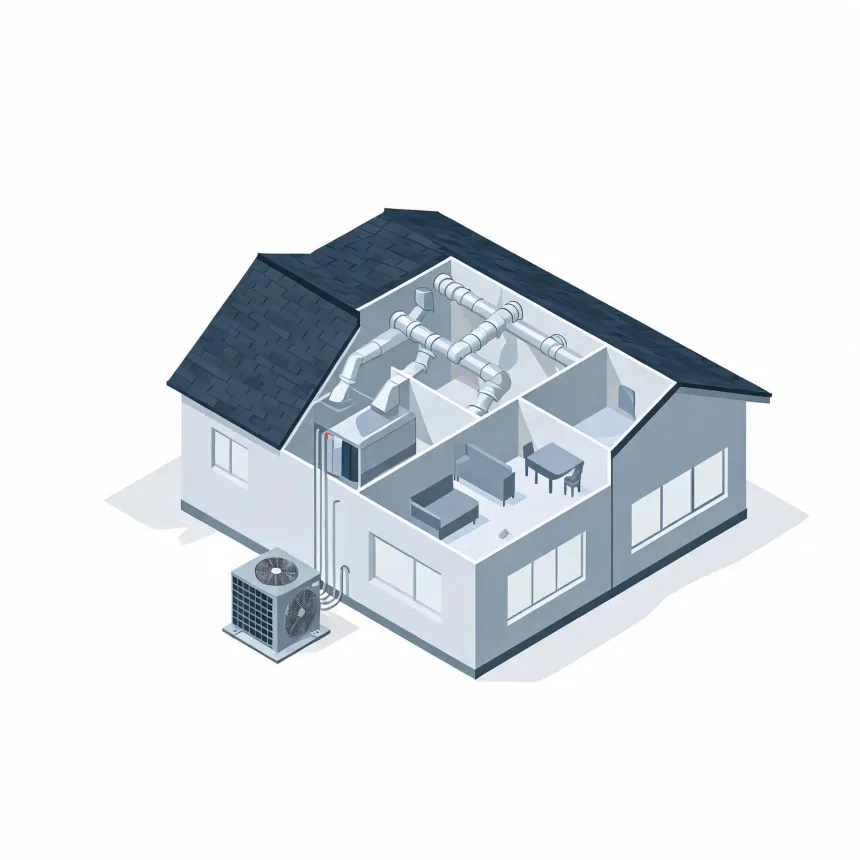
If your home already has a gas furnace, adding or replacing central AC usually means matching new equipment to that existing setup rather than rethinking it. The furnace blower moves the air, the AC coil cools it, and both need to work off the same ductwork already in place.
NOAA nClimDiv, 1991–2020 normals
Colorado homes paid 14.92 cents per kilowatthour in 2024.
A correctly sized system costs less to run than one that's oversized for the job.




Four months of real heat is what the AC has to handle here, June through September, with afternoons averaging 91°F. That's a normal cooling load, not a heavy one. A system sized to your square footage and insulation will keep up fine without reaching for a bigger unit. Otero County also sees its share of wind and hail, and that's worth thinking about for where the outdoor condenser sits and what's planted or stacked around it. It doesn't change how many tons the unit needs to be. Size the equipment for the house and the climate, not the storms.
Otero County falls under zone 4B, and any split-system AC unit under 45,000 Btu/h installed here has to meet a federal minimum of 13.4 SEER2. That's the baseline, not an upgrade. A federal tax credit is available for qualifying high-efficiency equipment, so it's worth asking what you qualify for before you settle on a unit.
Find a contractor
Cooling here runs June through September, four months a year. May is the month before that starts, which makes it the last clear stretch to put in a new system before the heat does. Once June hits, every AC that's going to fail does it on the same string of hot days, and installers get booked up fast. Going in May means the work happens when you choose, not when the old system forces your hand.
The SEER2 number on the label gets measured under fixed test conditions, with the system running the way it's built to on its best day. What you actually get depends on how tight the ductwork is, whether the refrigerant charge is right, and whether the unit is sized for the space it's cooling. A high rating on the label does not override a bad install.
Units with higher ratings tend to run a variable-speed or multi-stage compressor instead of a single-speed one. That changes how the system behaves day to day. Instead of blasting on at full power and shutting off, it runs longer at a lower output and holds the temperature steadier. Worth asking an installer directly how a given unit stages itself, since the rating alone does not tell you that.
Estimates for a typical Otero County home, from EIA household energy data, Colorado fuel prices and NOAA climate normals. Your home will differ.
Installation day starts with taking the old equipment out. The indoor coil gets pulled and the old refrigerant lines get disconnected. If the lineset or ductwork doesn't match what the new system needs, that gets fixed before anything new goes in. Setting the outdoor condenser is the quick part. Most of the day goes into connecting it right. The installer brazes the refrigerant lines, pulls a vacuum on them to clear out air and moisture, then charges the system to the exact weight the manufacturer calls for. A system that's undercharged or overcharged will still run, but it won't cool the way it should and it won't last as long doing it. Once it's charged, the installer checks airflow across the coil, confirms the thermostat is talking to the system correctly, and runs it through a full cycle before calling the job done.