Overhead view of a gray outdoor AC condenser unit on a concrete pad beside a mulched garden bed and a house with vinyl siding.

AC Installation in Pagosa Springs, CO

Tell us about the job

Takes about a minute. No obligation.

New system or replacementCentral ACArchuleta County, CO
Step 1 of 2

What ZIP code is the job in?

Gas is the common fuel here

Utility gas heats 40.3% of homes in Archuleta County, more than any other fuel. Bottled or LP gas heats another 31.8%. Electric heat covers 11.2%. A gas furnace paired with central air is the setup most homes already have.

What that means for your install

If your home heats with gas, adding or replacing AC usually means matching new equipment to the furnace and ducts already there. If your home runs on electric heat or propane, the installer will size the AC to your place rather than to what's common down the street.

78°F
the average summer afternoon it cools against
1 hail events
in ten years, and hail bends the fins on outdoor coils
13.4 SEER2
the federal minimum any new unit must meet
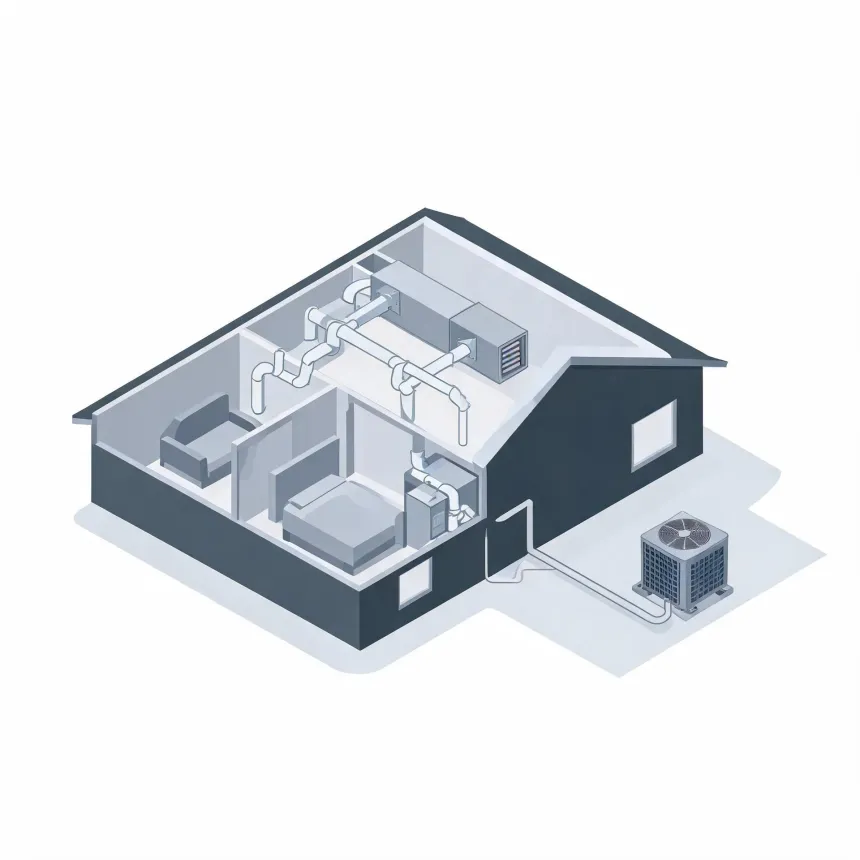
Isometric cutaway illustration of a house showing interior ductwork, an air handler and furnace unit, and an outdoor condenser connected by lines outside the wall.
Your air conditioner works hardest from July through August.

NOAA nClimDiv, 1991–2020 normals

Colorado electricity ran 14.92 cents per kilowatt-hour in 2024.

At that rate a high-efficiency AC takes longer to pay for itself, so pick the system that fits your house, not just the one with the best rating.

Afternoons here top out around 78, so your AC won't work hard

Summer afternoons average 78°F
Power costs 14.92 cents a kWh statewide
Climate zone 6B

Archuleta County falls under zone 6B, and any central air condenser installed here has to meet 13.4 SEER2 at minimum if it's rated under 45,000 Btu/h. That rule applies everywhere in the country now, so it isn't a local add-on, but it does mean the lowest-end units sold a few years back are no longer an option. Installers pulling permits here will be working from that floor. Winters are long and summers short in this area, so most homeowners don't gain much by going well above the minimum rating. A system sized and matched to your ductwork will do the job through the warm months without needing a top-tier rating to justify its cost.

Pick a system that fits, not one built for a harder climate

With afternoons topping out around 78, a central air system here isn't working against much. A unit sized correctly for your house and ducts will keep up through the summer without needing a high-end rating to earn its keep.

Find a contractor
A man in a cap, dark shirt and tan pants walks up porch steps toward a red front door, carrying a brown canvas tool bag, with a potted shrub beside the entry.
A gray metal air conditioning condenser unit mounted on a concrete pad in a flat grassy field under a partly cloudy sky.

What that rating number actually measures

The SEER2 number on the label is a ratio, cooling delivered against electricity used, measured in a lab under set conditions. A higher number means the compressor and coil move the same heat for less power, nothing more than that. It says nothing about how big a system you need or how long it lasts. A well-matched unit with a modest rating will out-earn an oversized one with a high rating, because the oversized system short-cycles, never running long enough to pull moisture out of the air before it shuts off. The rating also assumes the ductwork and charge are both correct. A unit with a strong number on the label still performs like a weak one if the refrigerant charge is off or the ducts are leaking air into the attic. The number on the sticker is a starting point for comparing equipment, not a promise about your power bill or your comfort once it's installed.

Ask what size they're proposing, and why

A contractor should size the system from a load calculation that accounts for your square footage, windows, insulation and layout, not a rule of thumb based on the old unit. Ask what method they used and what numbers went into it. If the answer is a quick guess based on the home's age or the size of the last system, get another quote.

Ask how they'll handle the ductwork that's already there

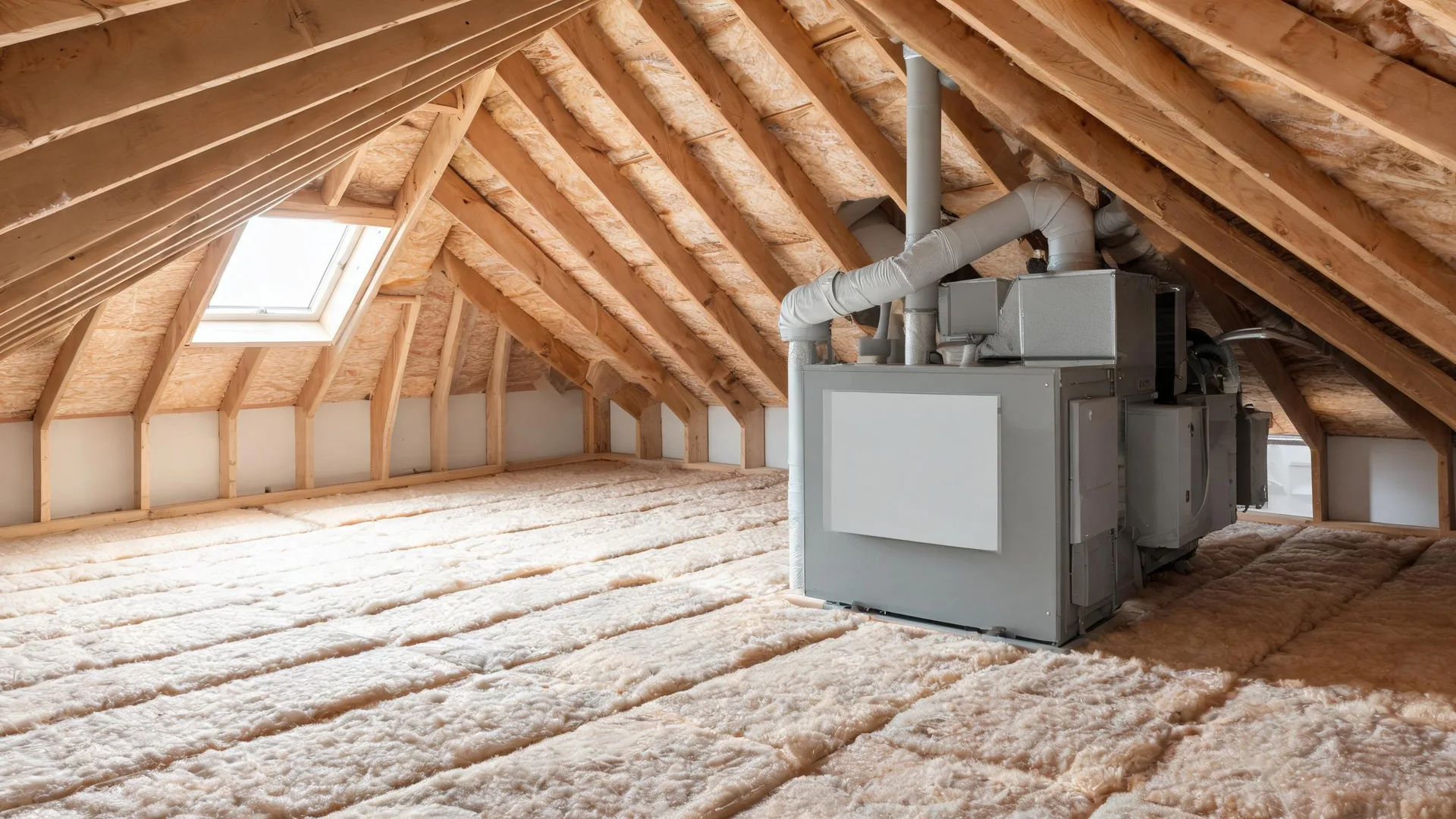
New equipment still has to move air through old ducts. Ask whether they inspected the ducts for leaks, crushed runs or undersized returns, and whether anything needs sealing or modifying before the new system goes in. A condenser and coil matched on paper can still underperform if the ducts feeding them weren't checked.

An outdoor air conditioning condenser unit mounted on a concrete pad next to a blue-sided residential house at sunset.

Going above the federal minimum saves little here, about $10 a year.

  • A higher-efficiency unit$30 a year
  • A new unit at the federal minimum, 13.4 SEER2$40 a year

Estimates for a typical Archuleta County home, from EIA household energy data, Colorado fuel prices and NOAA climate normals. Your home will differ.

Installation day starts before the new unit ever comes off the truck. The old condenser and coil get disconnected and hauled out, the refrigerant lines get flushed or replaced, and the line set gets checked for the right size against the new equipment. Setting the condenser pad and getting the new unit level matters more than it sounds. A unit that sits tilted can wear the compressor unevenly over the years. Inside, the coil goes in above or beside the furnace, and that's where a leak-free connection to the existing ductwork earns its keep. Once everything is connected, the installer pulls a vacuum on the line set to clear out air and moisture before releasing the refrigerant, then checks the charge against the manufacturer's numbers rather than eyeballing it. Expect the system to get tested through a full cooling cycle before anyone calls the job done, not just switched on and left running.