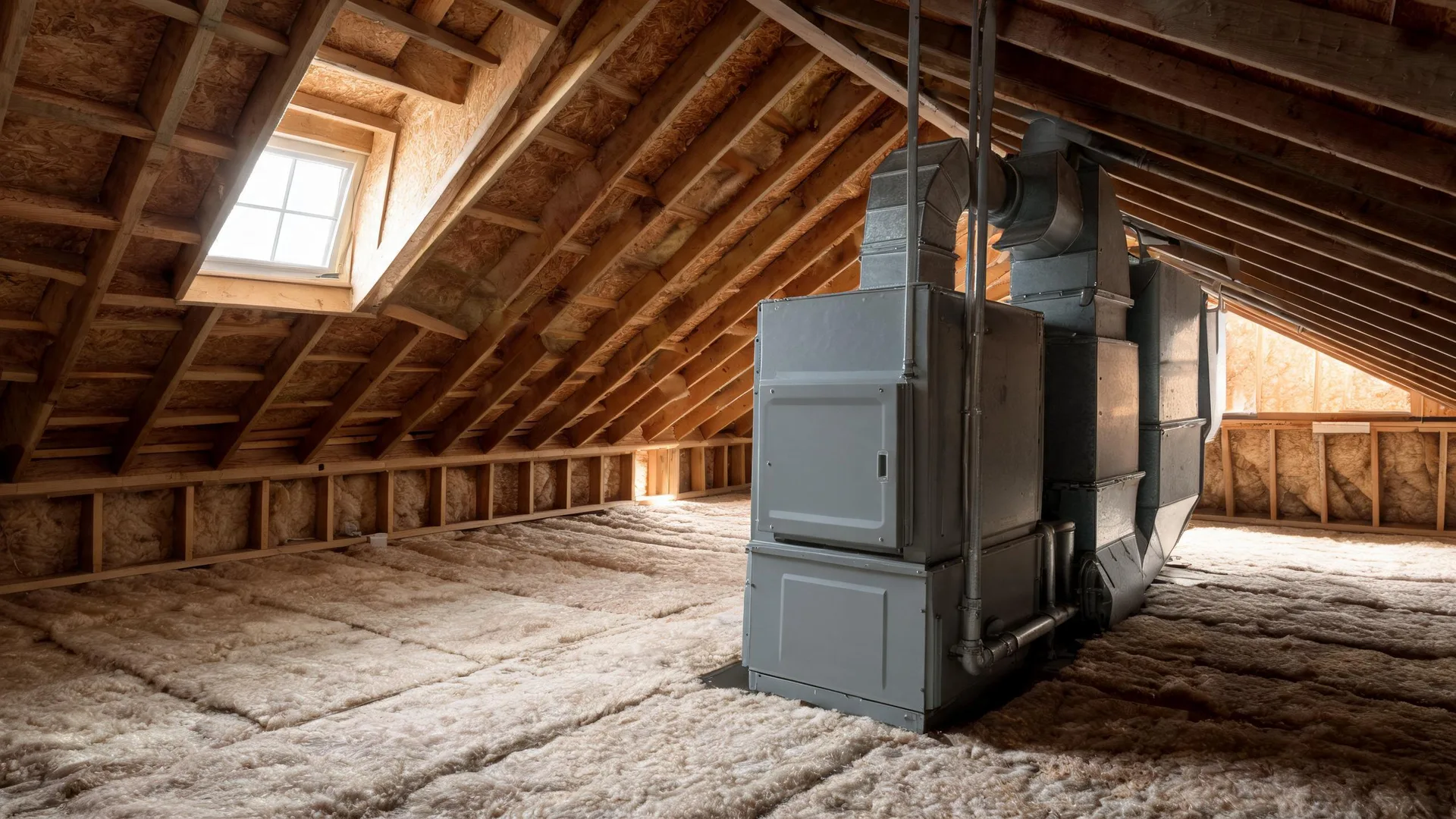
Gas heat is the norm here
Utility gas heats 64.9% of homes in Fremont County, with another 14.4% on bottled or LP gas. Central air paired with a gas furnace is what most installers here are used to setting up.
Takes about a minute. No obligation.
Utility gas heats 64.9% of homes in Fremont County, with another 14.4% on bottled or LP gas. Central air paired with a gas furnace is what most installers here are used to setting up.
If your furnace already pushes air through ducts, adding or replacing central air usually means matching a new condenser and coil to that existing ductwork rather than building a duct system from scratch.

NOAA nClimDiv, 1991–2020 normals
Fremont County sees plenty of wind and winter storms, but nothing about either calls for a bigger AC unit.
A standard size and efficiency rating cools this house fine, so there's no reason to size up or pay for extra capacity here.



Summers here top out around 80°F, so the condenser outside never has to work past a mild stretch of weather. That's a short, easy season compared to what these systems handle in hotter parts of the country. A standard unit, properly matched to your ductwork, will cool this house without strain for a long time. When something does go wrong with an AC here, it's usually age or a skipped filter change, not the unit wearing out from overwork. A basic system holds up fine under that kind of load, so there's less reason to pay for capacity this house will rarely ask for.
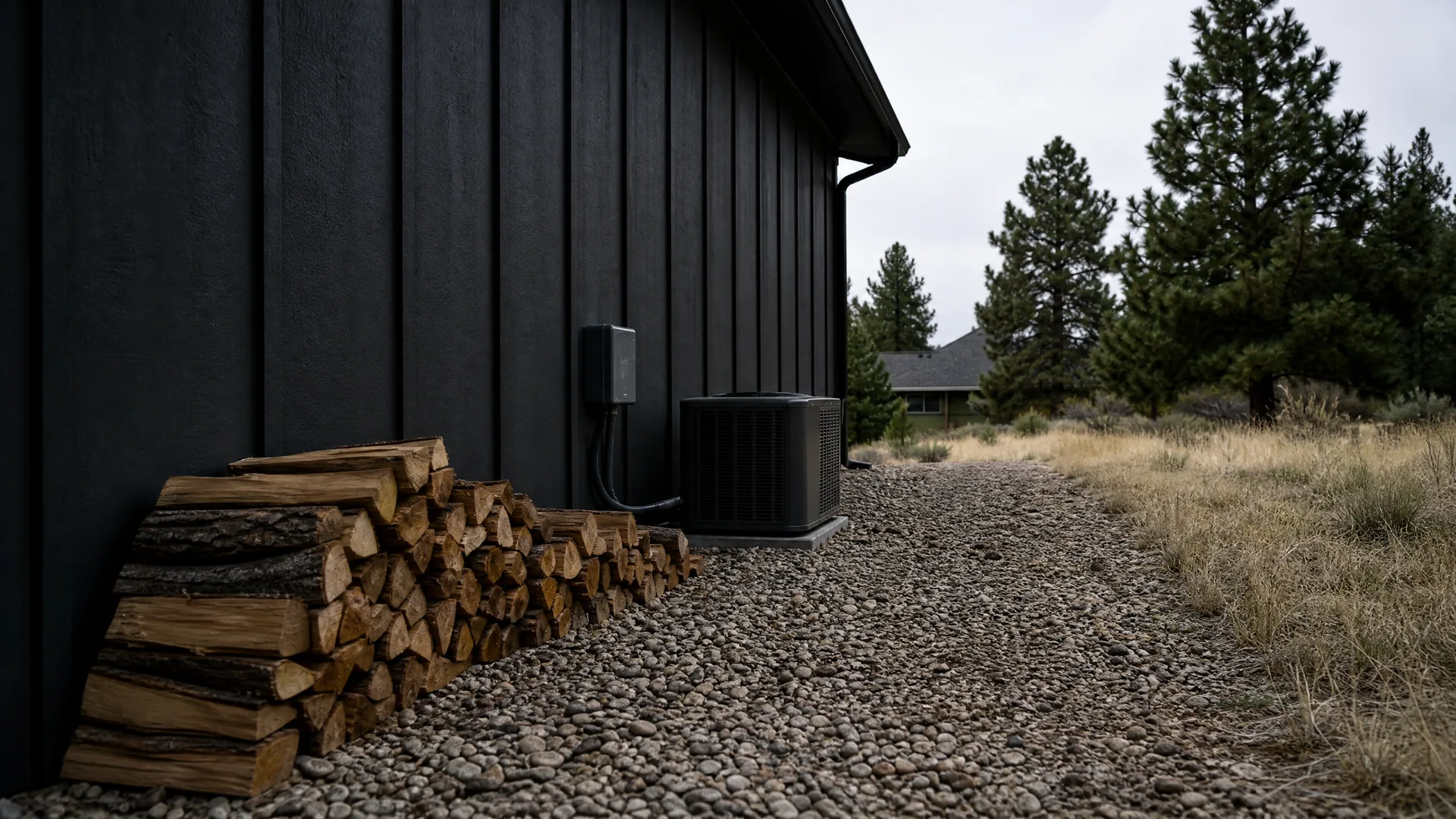
Cañon City falls under zone 5B, and any split-system air conditioner installed here has to meet the federal minimum of 13.4 SEER2. That floor is already in place, so the question for this house is just matching the right unit to your ductwork.
Find a contractor
Half the homes in Fremont County were built in 1981 or earlier, half in 1981 or later, and neither group needs anything different from a condenser. Age of the house doesn't change what the unit outside has to do. What matters here is how many months a year it actually runs, and that's a short season either way. A standard unit sized to your ductwork handles it the same whether the place is older or newer. Mobile homes make up 14.0% of the housing stock in the county, and if yours is one, matching the condenser and coil to your existing ducts still works the same way.
A full swap means the old outdoor unit gets disconnected and hauled off, along with the indoor coil sitting on top of the furnace. The refrigerant lines get drained first. A coil left in place can still leak or block airflow even after the outdoor unit is gone, so pulling both is standard practice, not an upsell.
If the new system is matched to the ducts already in place, nothing about the duct runs or the furnace needs to change. The furnace keeps doing what it always did. Only the parts that make cold air, the condenser outside and the coil inside, get swapped for new ones sized to that same ductwork.
Estimates for a typical Fremont County home, from EIA household energy data, Colorado fuel prices and NOAA climate normals. Your home will differ.
Installation day starts with the refrigerant lines getting drained and the old condenser disconnected outside. Inside, the coil sitting on top of the furnace comes out too, along with the old line set if it's not being reused. The new coil gets set on the furnace and connected to new lines running out to the pad where the condenser goes. Once the lines are run, the system gets pressure tested for leaks before anything gets charged with refrigerant. After that, the installer charges the system to spec, checks airflow at the furnace, and runs it through a cycle to make sure it's cooling and the condenser outside is drawing power the way it should. The furnace and ductwork aren't touched through any of this, since only the parts that make cold air are changing.