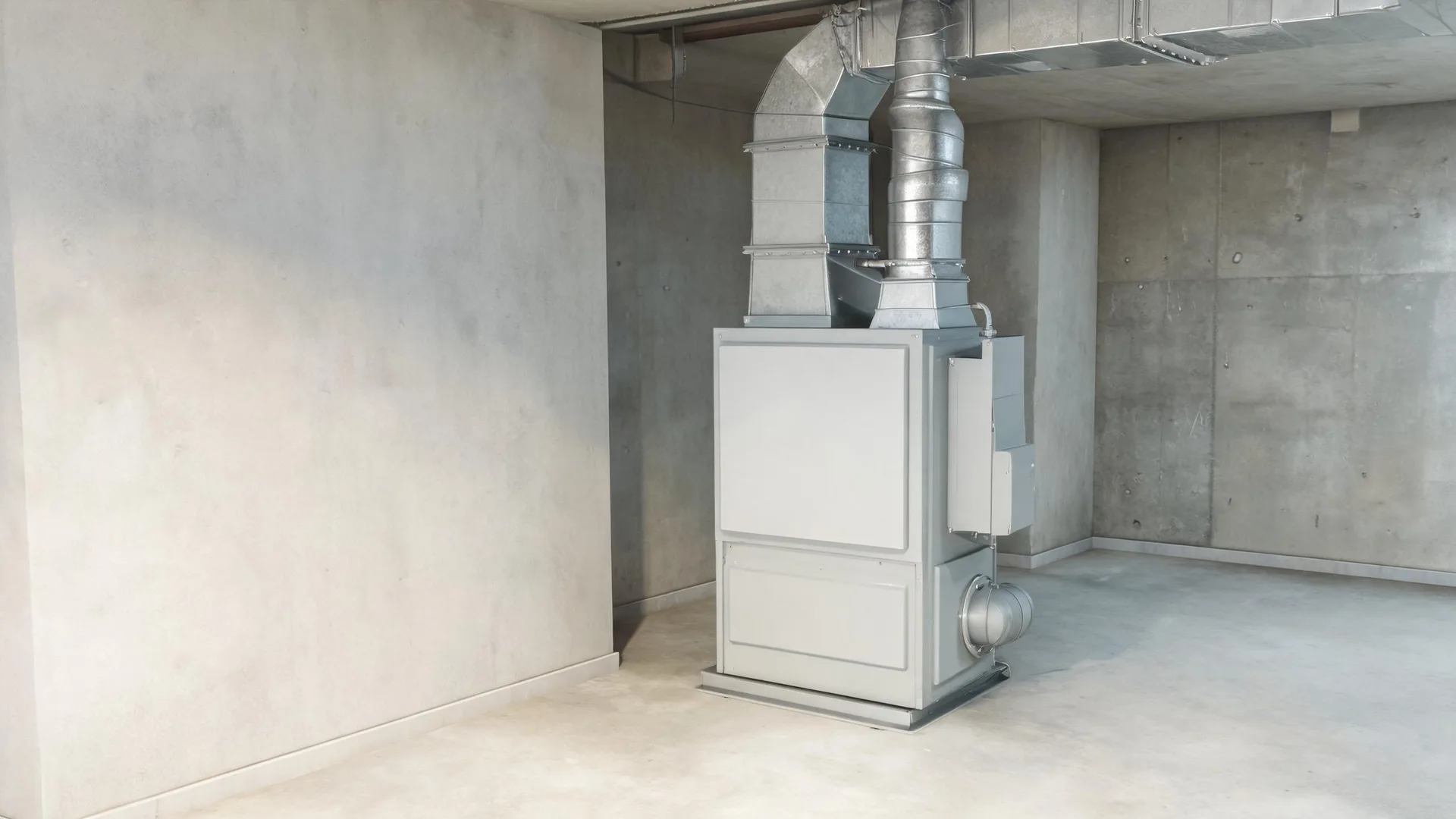
Most of Denver heats with gas
Utility gas heats 60.8% of occupied homes in Denver County. Electricity is next at 35.6%. If your furnace runs on gas, that puts you with most of your neighbors.
Takes about a minute. No obligation.
Utility gas heats 60.8% of occupied homes in Denver County. Electricity is next at 35.6%. If your furnace runs on gas, that puts you with most of your neighbors.
Central air works the same whether the furnace next to it burns gas or runs on electricity. The furnace moves the air, the AC cools it. Matching the new unit to your existing ductwork and furnace blower matters more than what fuel heats the house.

NOAA nClimDiv, 1991–2020 normals
Denver electricity runs 14.92 cents a kilowatt-hour.
A standard-efficiency system sized correctly for your house is the cheaper call here, not a bigger or pricier unit.




Denver County logged 142 hail events between 2015 and 2024, plus damaging wind, winter storms and a handful of tornadoes. None of that changes what your AC install needs to be. Hail and wind are a roofing and siding concern, not a reason to size up the condenser or pay for a higher tier of equipment. The one thing worth asking your contractor about is the outdoor unit's placement and whether it has some cover from large hail, since that's the part that sits outside year-round. Standard equipment, installed correctly, holds up fine against what this county sees.
Half the homes in Denver County were built in 1975 or earlier, half in 1975 or later. Either way, a correctly sized standard system matches the ductwork already in place. There's no age or style of house here that calls for upsizing.
Find a contractorWhen a contractor pulls the old condenser, that refrigerant has to be recovered first, not vented. The old refrigerant lines usually get reused if they're in good shape, but a line set sized for the old unit doesn't always match what the new one needs, and that's worth asking about rather than assuming. The old pad or mounting often stays, the new unit just sets on it. Inside, if the coil is original to the old system, it typically comes out too, since mismatched coils and condensers run poorly together and can void the warranty on the new equipment. None of this is complicated work, but skipping a step is how a new system ends up running worse than the one it replaced.
A contractor works out the right size by looking at square footage, window area, insulation, ceiling height and how many rooms the ductwork serves. The old condenser's size is a starting point at best. If it was wrong to begin with, or the ductwork changed since it went in, copying that number just repeats the mistake.
A condenser that's too big chills the air fast and shuts off before it pulls moisture out, so rooms feel cold and damp instead of just comfortable. All that stopping and starting also puts more wear on the compressor than a unit that runs in longer, steady cycles. Bigger isn't a safety margin here, it's a different set of problems.
Estimates for a typical Denver County home, from EIA household energy data, Colorado fuel prices and NOAA climate normals. Your home will differ.
Install day starts outside with the refrigerant recovery, then the old condenser comes off its pad. If the line set is being reused, the contractor checks it for the right size and condition before connecting it to the new unit. Indoors, the coil gets swapped if it doesn't match the new condenser, which means some work in the plenum above or beside the furnace. Once everything's connected, the system gets evacuated to pull air and moisture out of the lines before refrigerant goes in. The last step is charging it to the correct level and running it to check airflow and temperature split, not just confirming it powers on. A unit that's low on charge or has air trapped in the lines will run, just poorly, so that final check is what tells you it was done right.