Gas heat is the norm here
Just over half of homes in Delta County heat with utility gas. Electricity and propane split most of the rest. If your furnace runs on gas, the AC installer will be working alongside a system that's common in this area.
Takes about a minute. No obligation.
Just over half of homes in Delta County heat with utility gas. Electricity and propane split most of the rest. If your furnace runs on gas, the AC installer will be working alongside a system that's common in this area.
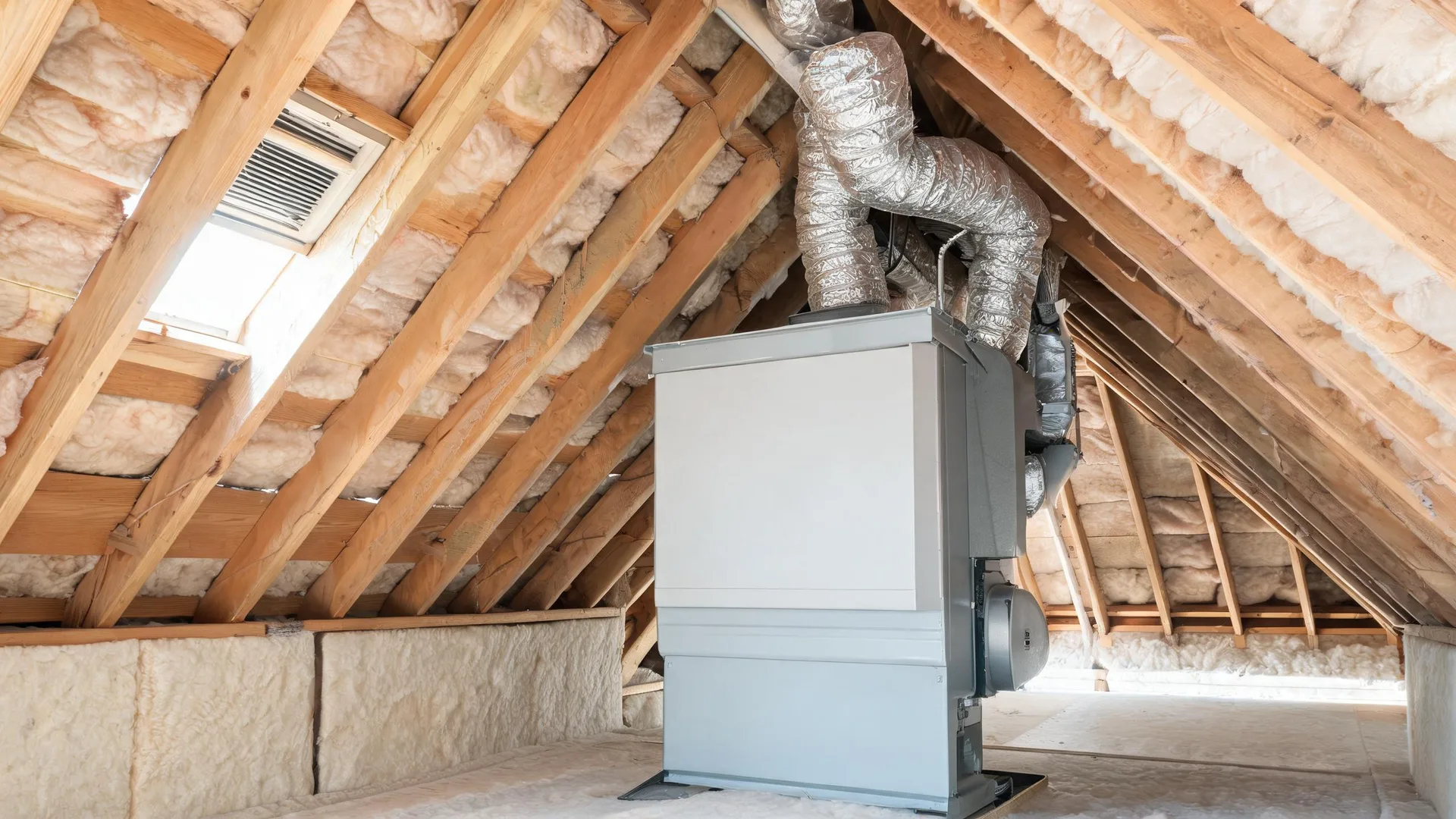
When a home already has a gas furnace, central air conditioning usually adds a coil and condenser to work with the existing ductwork and blower. That keeps the installation closer to a swap than a rebuild, since the air handling is already in place.

NOAA nClimDiv, 1991–2020 normals
Two months of real cooling load, July and August, with afternoon highs around 82°F.
A system here doesn't need to be the top-tier model to hold up.




Delta County is in zone 5B, a cool, dry climate where heating carries the bigger load. That's the backdrop for what a new air conditioner here has to meet. Any split-system unit installed under 45,000 Btu/h has to meet a federal minimum of 13.4 SEER2. That floor applies the same way here as anywhere else in the country, not something added on for this area. It sets the lowest efficiency a new system can be sold at, nothing more. A system here doesn't need to clear a higher bar than that to be installed.
Cooling here runs July through August. Put the new system in during June and it's ready before the first hot day, not halfway installed when you need it.
Find a contractor
Two months of load a year is not much time for a system to rack up hours. That leaves the rest of the year for the furnace and ducts to do the work, with the coil and condenser sitting idle. A straightforward install, sized to the house and left alone otherwise, should get through those two months without issue year after year.
A contractor works out the right size with a load calculation, weighing window area, insulation, ceiling height and duct layout room by room. Matching whatever is already installed skips that step, and if the old system was never sized right, matching it just repeats the mistake.
A unit too big for the space cools the air fast and shuts off before it pulls moisture out, so the house feels clammy even at the right temperature. It also starts and stops more often than it needs to, short bursts instead of one steady run, which is wear a correctly sized system never has to deal with.
Estimates for a typical Delta County home, from EIA household energy data, Colorado fuel prices and NOAA climate normals. Your home will differ.
The old condenser doesn't get reused. Refrigerant has to be recovered from the lines before anything is disconnected, since it can't legally be vented to the air. Once that's done the old unit, the coil in the plenum, and the line set usually all come out together, since mixing an old coil with a new condenser causes problems down the road. Scrap haulers take the metal cabinet for recycling. If the line set stays in place for any reason, it gets flushed first, because old refrigerant oil left behind can damage a new compressor.