Gas heat is the norm here
Utility gas heats 62.1% of homes in Montrose County, more than every other fuel combined. Electricity accounts for 17.5%, and propane or LP gas for another 11.2%.
Takes about a minute. No obligation.
Utility gas heats 62.1% of homes in Montrose County, more than every other fuel combined. Electricity accounts for 17.5%, and propane or LP gas for another 11.2%.
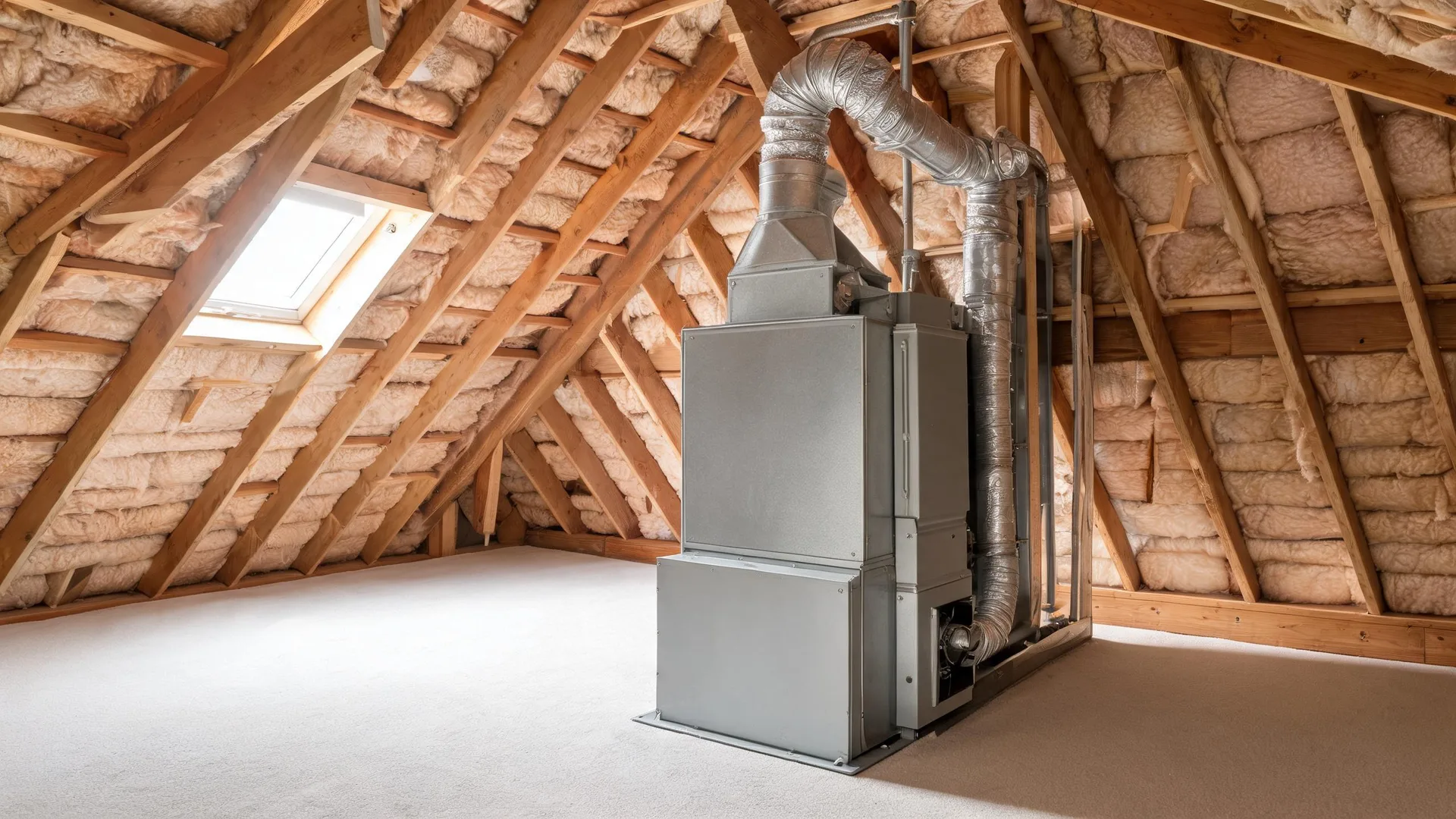
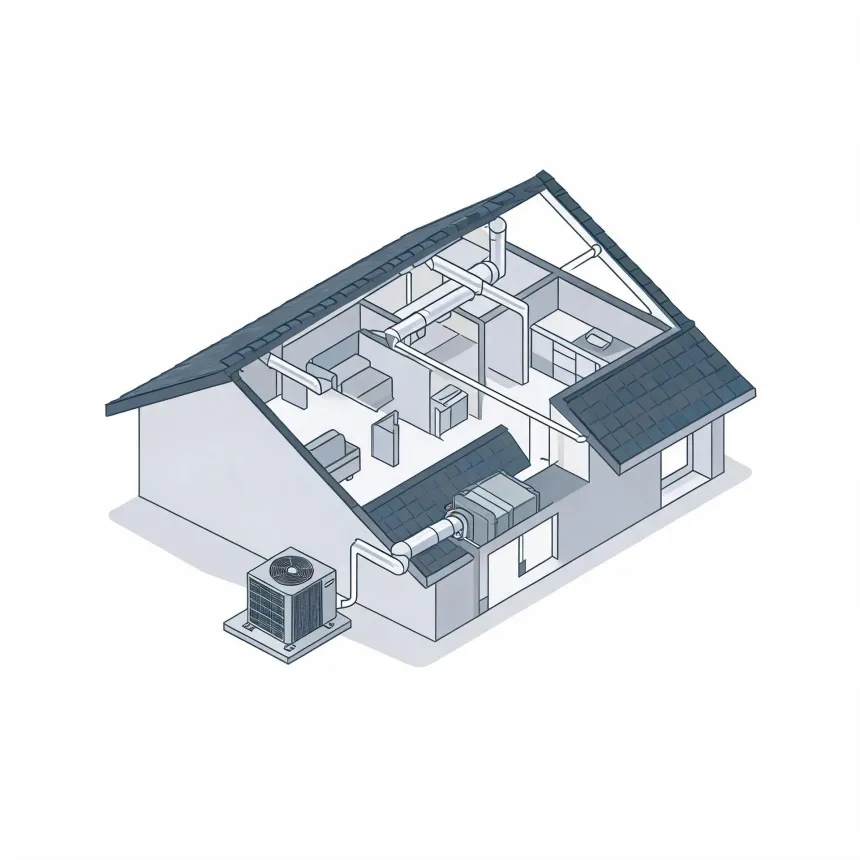
Most homes already have a gas furnace moving the air, so central air usually means adding a cooling coil and condenser to work with that furnace rather than replacing the whole system.
NOAA nClimDiv, 1991–2020 normals
Colorado electricity runs 14.92 cents per kilowatt-hour, below the national average.
A high-SEER2 condenser costs more up front and takes longer to earn that back here, so pick one for its reliability and fit with your furnace first.




Cooling here only runs July and August. That is a short season, which is exactly why June is the month to get a new system in. Wait until the first hot week and you are choosing a unit under pressure, taking whatever the contractor can get installed fast. Go in June and you get time to match the condenser to your furnace properly and have it running before you need it. A system put in during June also gets a full two months of mild use before next year's harder stretch, which is as close to a break-in period as central air gets.
Montrose County sits in climate zone 5B, where heating carries most of the load and cooling is the short season. Any split-system air conditioner installed here has to meet a federal minimum of 13.4 SEER2. That sets the floor for what a contractor can install, whatever size or brand you land on.
Find a contractor
Two months a year, July and August, with afternoons averaging 83°F. That's the whole job. A condenser built for that doesn't need to be the top of the line. Put the money toward one that matches your furnace well and holds up over the years, not one built to chase efficiency numbers it won't get much chance to earn back here.
An oversized condenser cools the air fast and shuts off before it pulls the moisture out of it. The room feels cold and damp, not comfortable. It also cycles on and off more, and every start puts wear on the compressor. The right size runs longer, steadier cycles and actually does the job.
Sizing an AC means a load calculation. A contractor measures the square footage, the window area and which way they face, the insulation, and how much attic or duct space the air has to move through. They measure the house itself, not the old equipment, since a system put in years ago may already be wrong for it. The furnace it has to pair with matters too. The coil and condenser need to match the airflow that furnace moves.
Estimates for a typical Montrose County home, from EIA household energy data, Colorado fuel prices and NOAA climate normals. Your home will differ.
Installation day starts before anyone touches the old equipment. The contractor needs the furnace off and the gas line secure before working anywhere near the plenum, since the new coil usually sits right on top of it. Pulling the old condenser and coil is quick. Setting the new ones takes longer, because the coil has to seal into the ductwork tight enough that no air sneaks around it, and the line set connecting the coil to the condenser outside has to be cut, brazed and pressure tested before anyone opens a valve. Once that's done, the system gets charged with refrigerant to the exact weight the manufacturer specs, not just until it feels cold. The last hour is running it, checking the temperature split between the air going in and the air coming out, and listening for anything that sounds like it's working harder than it should.