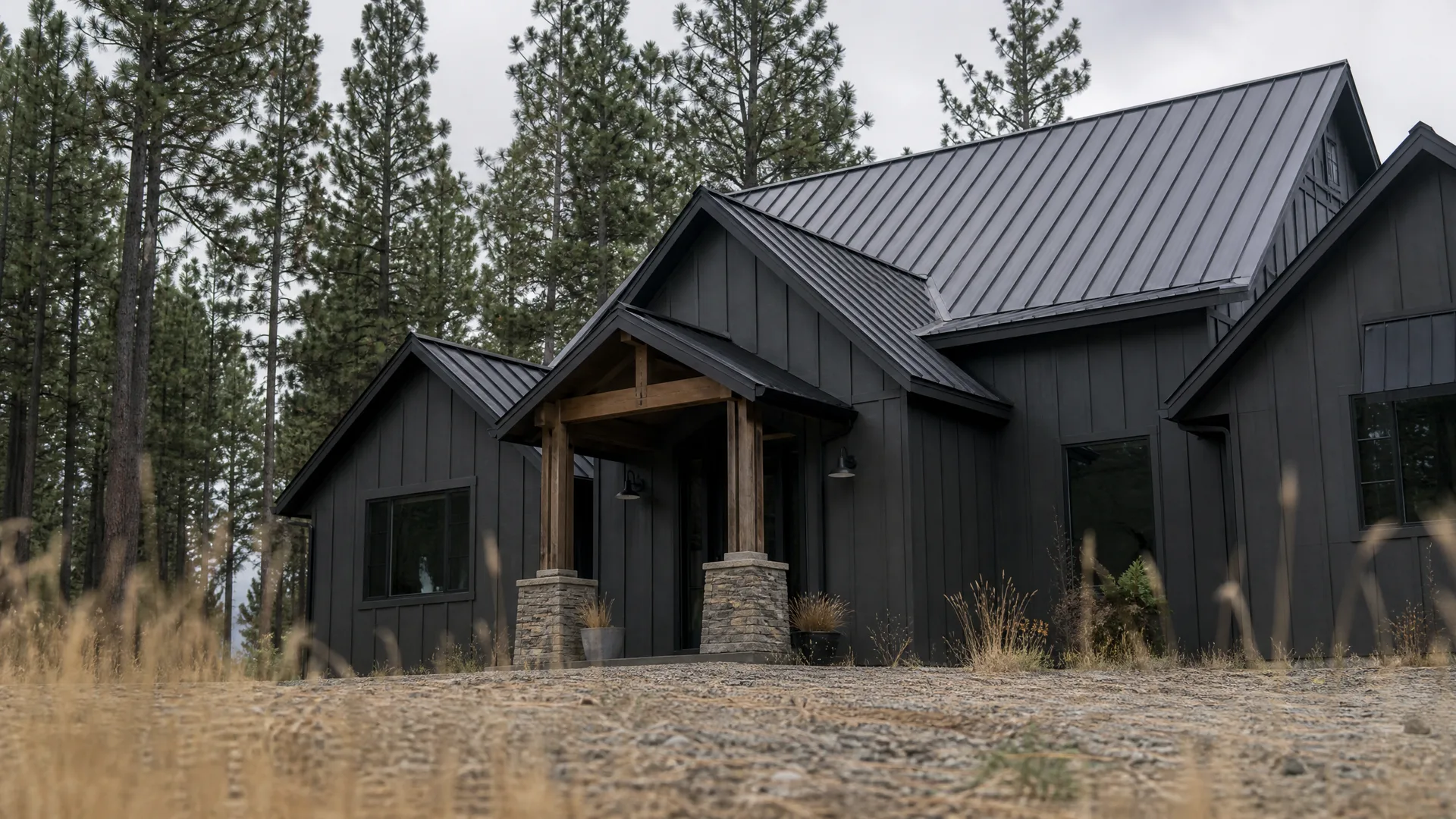





A single-story black board-and-batten house with a dark standing-seam metal roof, timber entry porch posts on stone bases, set among tall pine trees with dry grass in the foreground under an overcast sky.

AC Installation in Durango, CO

Tell us about the job

Takes about a minute. No obligation.

New system or replacementCentral ACLa Plata County, CO
Step 1 of 2

What ZIP code is the job in?

Almost half the homes in La Plata County heat with utility gas, and LP gas covers another quarter on top of that. That split matters for an AC installation, because most of those homes already have a furnace moving air through a duct system. Adding central air usually means matching a new outdoor condenser to that existing ductwork rather than building the path air takes from scratch. If your home runs on electric heat instead, the furnace in the equation is likely a heat pump or electric furnace, and that changes what the installer is working with. Either way, what's already in place drives the job more than the climate does.

79°F
the average summer afternoon it cools against
8 hail events
in ten years, and hail bends the fins on outdoor coils
13.4 SEER2
the federal minimum any new unit must meet
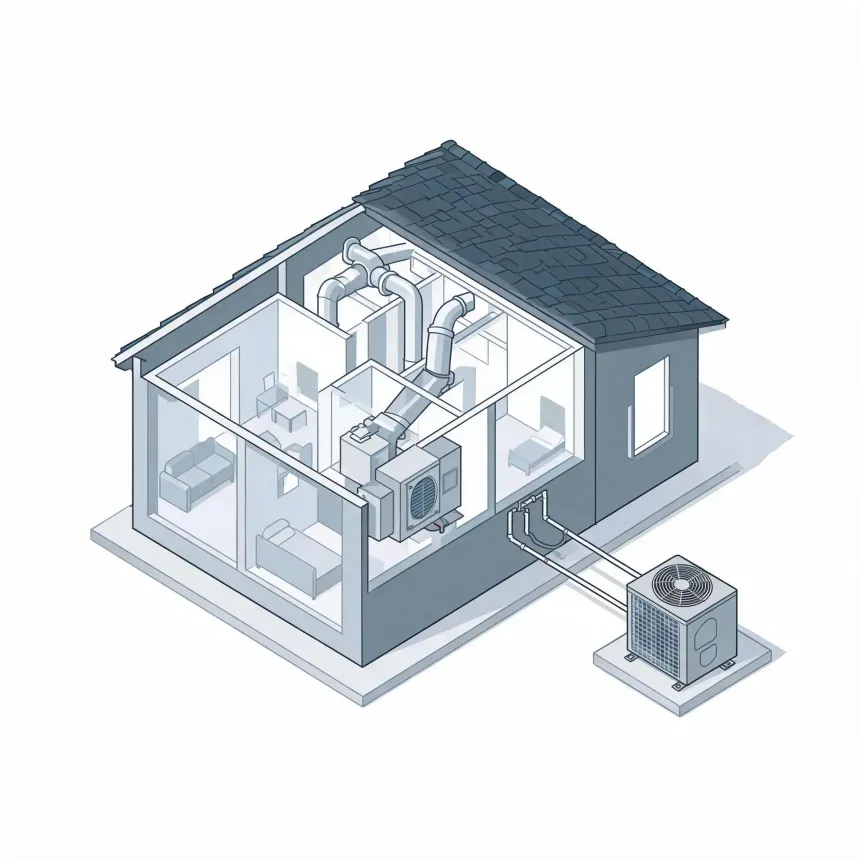
Isometric cutaway illustration of a small house showing interior rooms with furniture, an indoor air handler with ducts in the attic space, and refrigerant lines running to an outdoor condenser unit on a pad.
Your air conditioner works hardest from July through August.

NOAA nClimDiv, 1991–2020 normals

Winter storms hit La Plata County 128 times between 2015 and 2024.

None of that changes what size or efficiency your AC should be. A standard unit sized to your home handles it.

79°F afternoons won't push a system hard

Summer afternoons average 79°F
30 damaging wind events from 2015 to 2024
8 hail events from 2015 to 2024

A system that barely works here doesn't need to be built for heavy duty. With afternoons averaging 79°F, the compressor isn't fighting to keep up the way it would further south. That's the case for picking a straightforward unit that matches your ductwork well over one marketed on efficiency alone. Reliability still matters, since La Plata County has seen 30 damaging wind events and 8 hail events over the past decade, and outdoor equipment has to sit through that. A well-matched standard system holds up fine here. What it won't need to do is work hard.

Cheap power means fit matters more than efficiency

Colorado electricity ran 14.92 cents per kilowatt-hour in 2024, cheaper than most of the country. That changes the math on efficiency. A higher SEER2 unit costs more upfront and takes longer to earn that back when power is already cheap. Picking equipment that matches your ductwork and holds up through the install matters more here than chasing the highest efficiency number on the shelf.

Find a contractor
A man in a dark knit hat, navy long-sleeve shirt and tan work pants walks up painted wooden porch steps toward an orange front door, carrying a canvas tool bag.
An outdoor air conditioning condenser unit mounted on a concrete pad beside a house, with electrical conduit running to a wall-mounted disconnect box.

Sized to the house, not the old unit

Size gets worked out with a load calculation, not a tape measure on the old unit. A contractor looks at square footage, but also window area and direction, ceiling height, insulation, and how much shade the house gets, then runs those numbers to find out how much heat actually builds up inside on a hot day. That number tells them what the condenser needs to remove, nothing more. An oversized unit cools the air fast and shuts off before it pulls moisture out, so the house feels cold and clammy at the same time. It also cycles on and off more, and every start and stop puts wear on the compressor. An undersized unit runs nonstop on the hottest days and still can't hold the temperature you set. Either mistake shortens the life of the equipment. Getting it right means the system runs long, steady cycles that actually dehumidify the air, and the compressor lasts as long as it's built to.

The number is a ratio, not a guarantee

SEER2 compares the cooling a unit produces against the power it draws over a season, tested under set conditions. A higher number means the equipment can produce more cooling per unit of power than a lower one. It says nothing about how that unit will perform hooked to your ductwork, in your attic, with your thermostat settings. Units with the same rating can run very differently once installed.

The install decides what the rating promises

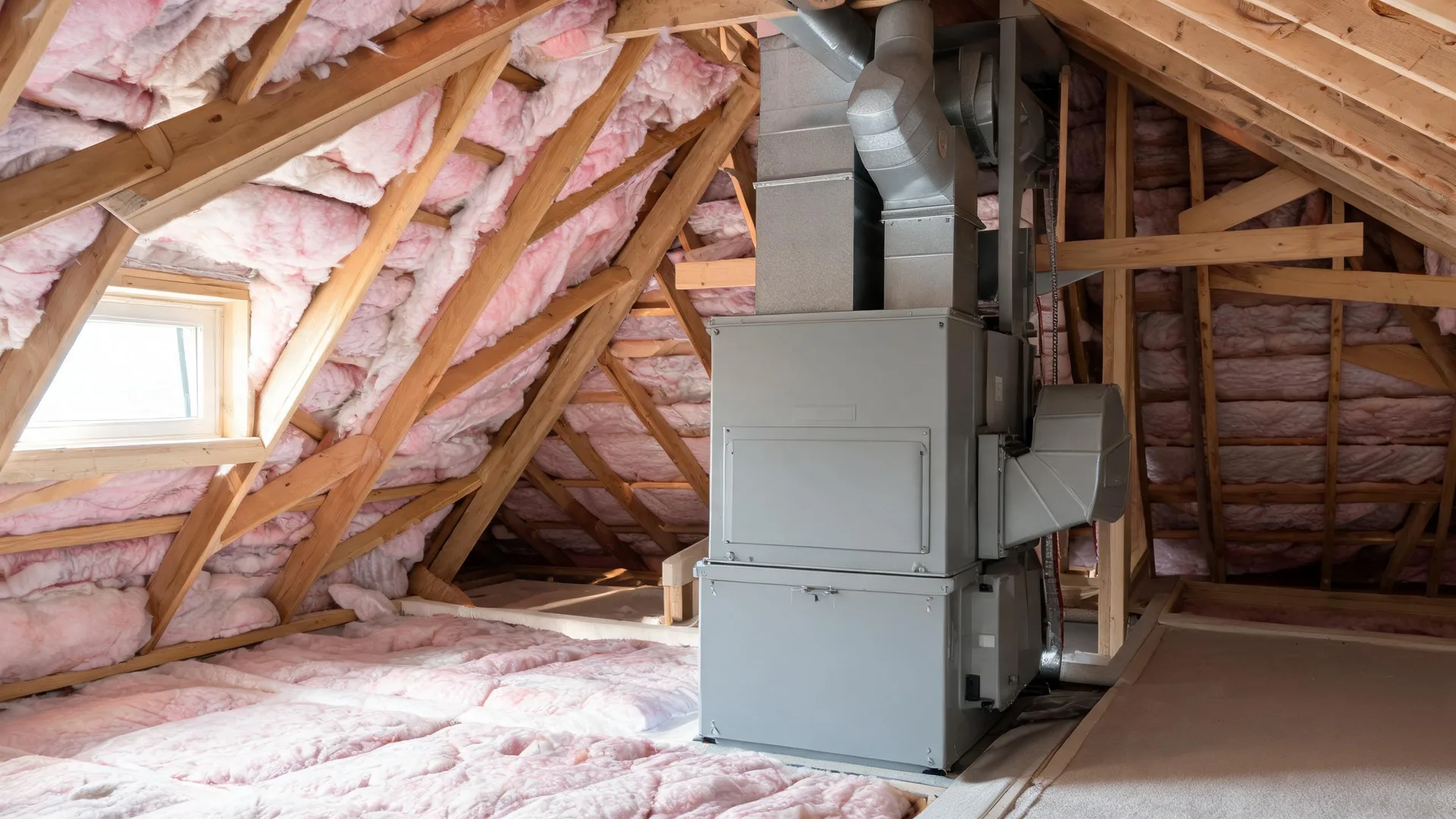
A unit only hits its rated efficiency when the refrigerant charge is correct, the airflow across the coil matches what the equipment needs, and the ductwork can move that air without choking it. Get those wrong and a high-SEER2 system can run worse than a lower-rated one installed correctly. The number on the label is a ceiling, not something the equipment reaches on its own.

An outdoor air conditioning condenser unit installed beside the exterior wall of a blue vinyl-sided house at sunset.

Going above the federal minimum saves little here, about $10 a year.

  • A higher-efficiency unit$50 a year
  • A new unit at the federal minimum, 13.4 SEER2$60 a year

Estimates for a typical La Plata County home, from EIA household energy data, Colorado fuel prices and NOAA climate normals. Your home will differ.

Install day starts with the old equipment coming out, not the new one going in. The condenser outside gets disconnected and hauled off, and if the job includes a new coil, that gets swapped at the furnace or air handler too. Lines get run between the outdoor unit and the coil, then pressure tested before anything is charged with refrigerant, because a leak found after charging means starting over. The electrical connections get tied in and the system gets its charge weighed in to match what the equipment calls for, not eyeballed. Once it's running, a tech checks airflow at the vents and measures the temperature drop across the coil to confirm it's cooling the way it's supposed to. None of that work shows from the curb, but skipping any of it is what turns a new system into a callback.