Most homes here run on gas
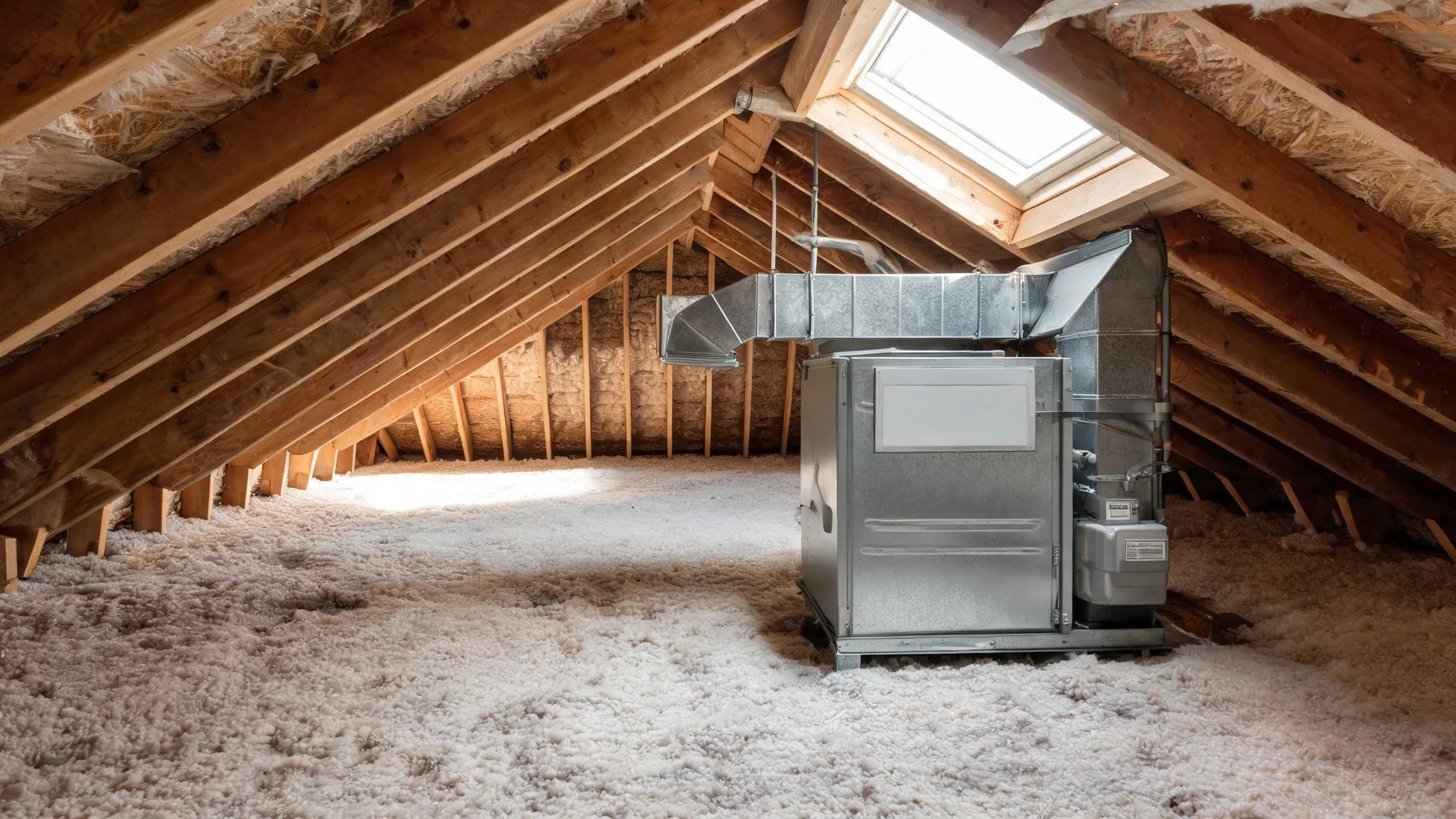
Utility gas heats 55.5% of homes in Clear Creek County, more than any other fuel. Bottled or LP gas heats another 20.7%. Electric heat makes up the rest at 14.9%.
Takes about a minute. No obligation.
Utility gas heats 55.5% of homes in Clear Creek County, more than any other fuel. Bottled or LP gas heats another 20.7%. Electric heat makes up the rest at 14.9%.
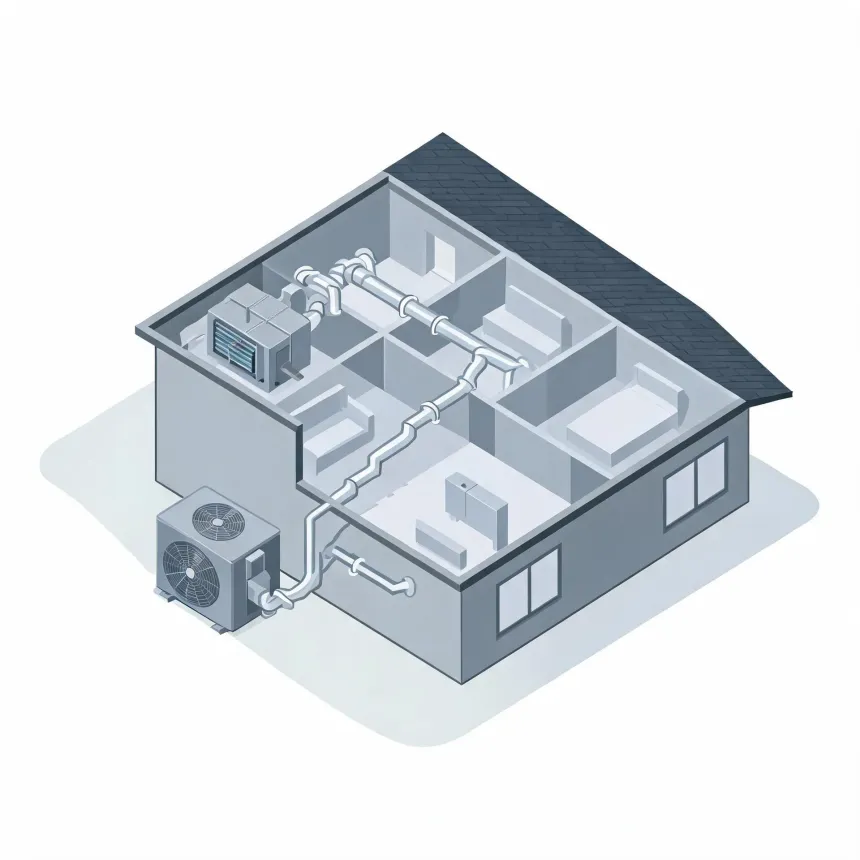
If a gas furnace handles your heat, central air installs alongside it using the same ducts and the same thermostat. That's why most AC installs here go in as a matched addition, not a standalone system.
Colorado electricity ran 14.92 cents per kilowatthour in 2024.
At that rate a high-efficiency AC takes longer to pay back, so pick the unit that fits your ducts and holds up, not just the one with the highest SEER2 number.



Idaho Springs doesn't need an oversized system or a top-tier SEER2 rating to get through summer here. A contractor sizes your AC to your house, the square footage, the layout, the windows, not to the climate fighting it. Half the homes in Clear Creek County were built in 1976 or earlier, so if yours is one of them, a load calculation still matters more than guessing from the home's age. A standard efficiency unit sized correctly will run less and last longer than a high-efficiency unit sized wrong. Ask what size and rating the contractor recommends and why, not just what's available.
Power is cheaper here, so the most efficient model takes longer to pay off. Reliability and fit matter more.
Find a contractorAt 68°F average for the warmest three months, an AC here is barely working for its living. It will run on the hot afternoons and sit idle through most of the summer and all the rest of the year. A system that isn't under much load has less to go wrong, and when something does fail, it's more likely a part worn out by age than one burned out from overwork. That's worth knowing when a contractor recommends a repair over a replacement.
A contractor can test the old condenser and coil before taking them out, since a trade-in or buyback sometimes depends on the refrigerant still being sealed inside. Cutting a line or draining it early can turn a unit with some value into scrap.
Old AC units hold refrigerant that isn't allowed to just vent into the air. A licensed contractor recovers it with a reclaim machine before the unit is hauled off, then the coil and cabinet go to a scrap yard that takes the metal.
Estimates for a typical Clear Creek County home, from EIA household energy data, Colorado fuel prices and NOAA climate normals. Your home will differ.
Installation day starts with the old system coming out, condenser, coil, and the refrigerant lines run between them. If ductwork is already in place, most of the day goes to setting the new condenser outside, matching the indoor coil to the furnace, and connecting the line set between them. The lines get pressure tested for leaks before any refrigerant goes in, since a joint that leaks slow will empty the system over months and show up later as an AC that won't cool. Once the system holds pressure, it gets charged, and the contractor checks the charge against what the manufacturer specifies rather than just running it until the air feels cold. The thermostat gets wired last and tested through a full cooling cycle before anyone calls the job done.