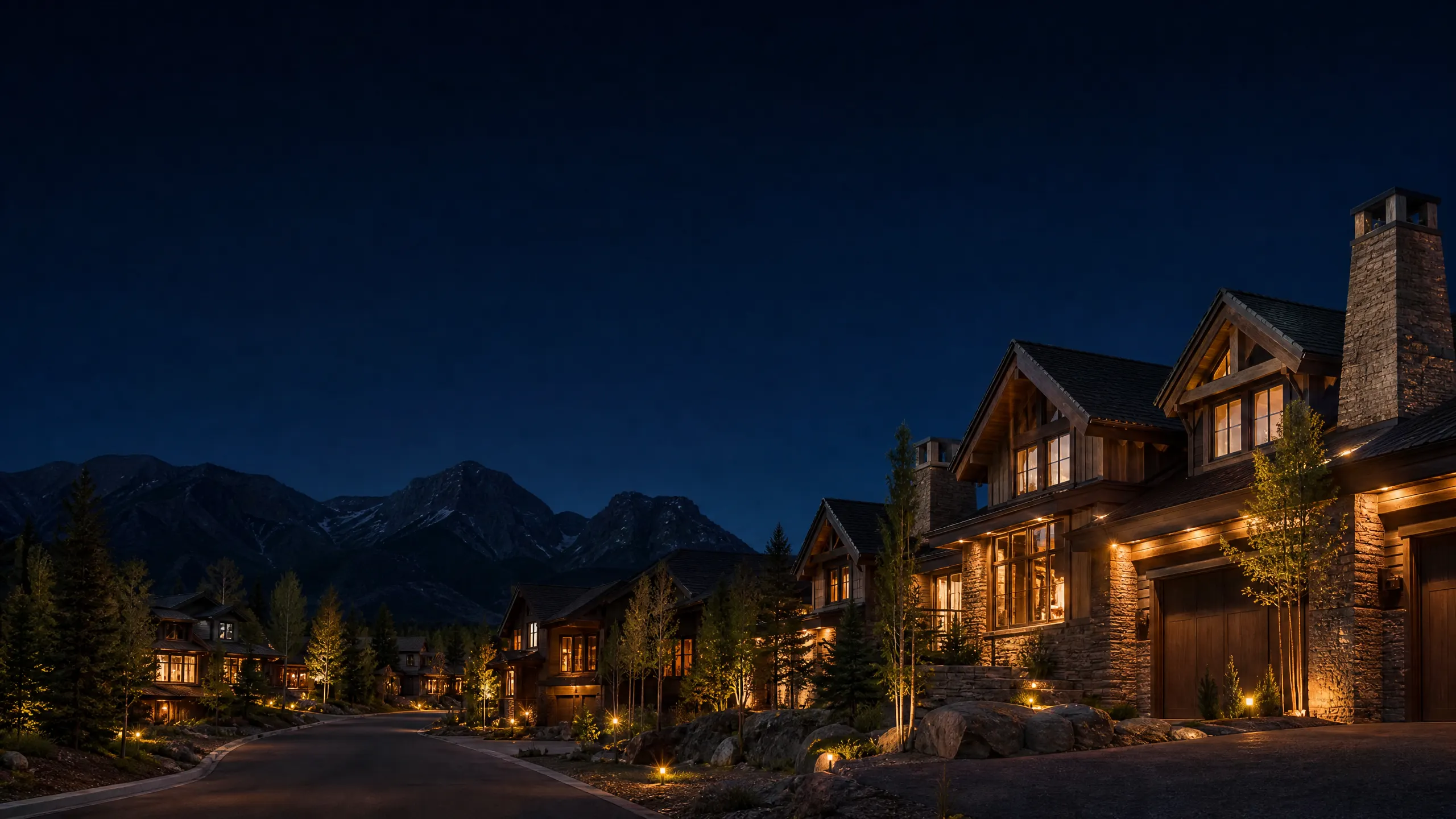






Illuminated timber-frame and stone houses along a residential street at night, with snow-capped mountains visible in the background.

AC Installation in Monte Vista, CO

Tell us about the job

Takes about a minute. No obligation.

New system or replacementCentral ACRio Grande County, CO
Step 1 of 2

What ZIP code is the job in?

Gas heats more homes in Rio Grande County than anything else, at 36.7 percent, and another 23.4 percent run on bottled or LP gas. Most homes here were built around a furnace, not a heat pump. A central air conditioner installed in one of those homes ties into the existing ductwork and shares the blower with the furnace. If your home already has gas heat, matching the new AC to that setup is usually the simplest route. Electric homes, at 22.7 percent of the county, may have different equipment worth asking about.

73°F
the average summer afternoon it cools against
2 hail events
in ten years, and hail bends the fins on outdoor coils
13.4 SEER2
the federal minimum any new unit must meet
Isometric grayscale illustration of a cutaway house interior showing a furnace with ductwork, interior rooms with furniture, and an outdoor condenser unit connected by lines at the exterior wall.
Your air conditioner works hardest from June through August.

NOAA nClimDiv, 1991–2020 normals

Half the homes in Rio Grande County were built in 1978 or earlier.

Older or newer, a standard system sized to your home's load is all this job calls for.

Winter is what this county deals with. A standard AC still fits the job.

253 severe weather events from 2015 to 2024
13% of homes statewide lost power a day or more in 2024
52 damaging wind events from 2015 to 2024

Any split-system air conditioner installed here under 45,000 Btu/h has to meet 13.4 SEER2 at minimum. That's a federal rule, not a local one, so it applies whether the house runs on gas heat or electric. Rio Grande County sits in climate zone 7, rated very cold, which is mostly about how the furnace is sized and insulated for winter. It doesn't raise the bar for the AC itself. A contractor quoting a system below 13.4 SEER2 for new installation isn't offering you a deal. A federal tax credit is available for qualifying high-efficiency equipment, worth asking about when you compare quotes.

Cheap power here means fit matters more than the efficiency rating

Electricity here runs 14.92 cents per kilowatt-hour, below what most of the country pays. That changes the math on a new AC. A high-efficiency model costs more to buy, and with power this cheap it takes longer to earn that difference back. What matters more is a system sized right for your home and put in by someone who does it correctly.

Find a contractor
A person in a dark jacket and tan pants, seen from behind, carries a waxed canvas duffel bag up porch steps toward a red front door, with a potted shrub beside the porch.
A gray cylindrical air conditioning condenser unit mounted on a concrete pad next to a light-colored vinyl-sided house exterior.

A light load most of the year

Summers here top out mild. June through August, the afternoon high averages 73 degrees, and there's no stretch of the year that really calls for air conditioning. A system installed here isn't going to run hard or run long. It sits idle most months and comes on for a handful of warm afternoons. That light duty means less wear on the compressor and coil over the years, so when something does need fixing down the line, repair is usually worth doing rather than replacing the whole system. Wind is more of a concern for outdoor equipment in this county than heat ever is. A standard system set on a secure pad and anchored properly handles what this climate actually asks of it. There's no case here for paying up for a unit built to survive cooling loads it will never see.

The rating measures a season, not a day

SEER2 is worked out over a full range of conditions, mild days and hot ones averaged together. It tells you how the system performs across a season, not what it draws on any single afternoon. Systems with the same rating can still behave differently depending on how they're matched to the home and ductwork they're tied into.

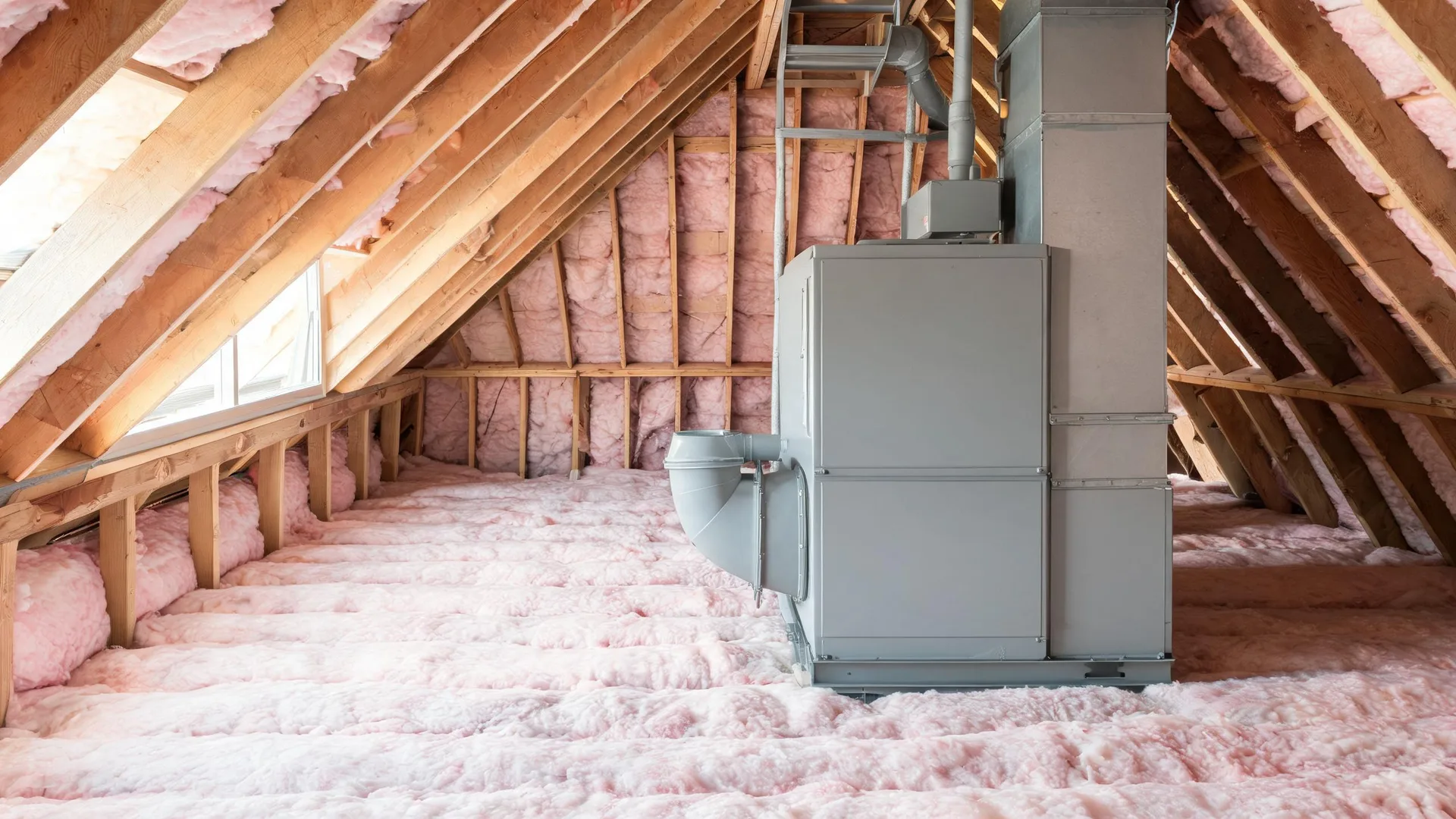
The number means nothing if the install is wrong

A high-efficiency condenser paired with a duct system that can't move enough air will never hit its rating. Airflow across the coil, refrigerant charge, and static pressure in the ducts all decide whether the equipment performs the way the label says. The rating describes the equipment tested on its own. What you get depends on how it's set up in your home.

An outdoor air conditioning condenser unit positioned on a concrete pad next to a blue-sided house, surrounded by green shrubs and flowering hydrangeas at sunset.

Going above the federal minimum saves little here, about $0 a year.

  • A new unit at the federal minimum, 13.4 SEER2$0 a year
  • A higher-efficiency unit$0 a year

Estimates for a typical Rio Grande County home, from EIA household energy data, Colorado fuel prices and NOAA climate normals. Your home will differ.

When you're comparing quotes, ask what size unit each contractor is proposing and how they arrived at it. A load calculation looks at your square footage, windows, insulation and layout, not just a rule of thumb based on the old system. Contractors can land on different numbers for the same house depending on whether they measured or guessed. Ask what happens to the existing ductwork too. If it's staying as is, find out whether anyone checked it for leaks or restrictions, since a new condenser can't make up for air that's escaping before it reaches the rooms. Ask about the warranty on labor separate from the warranty on parts, since manufacturers cover the equipment either way, but not every contractor stands behind their own installation the same way. And ask who pulls the permit and schedules the inspection. That's not paperwork for its own sake. It means someone besides the installer is checking the work.