





A gravel road curves between dark wood cabins with metal roofs and a split-rail log fence, surrounded by tall conifer trees under an overcast sky.

AC Installation in Central, CO

Tell us about the job

Takes about a minute. No obligation.

New system or replacementCentral ACGilpin County, CO
Step 1 of 2

What ZIP code is the job in?

Gas heats most homes in Gilpin County, just over half. Central air conditioning pairs with that setup more easily than people expect, since the furnace blower moves the cool air through the same ducts. If your home already has gas heat and ductwork, adding AC usually means matching a new outdoor unit to what's there rather than building a system from scratch. Electric heat comes next at 19.1%, and propane covers another 15.7%, mostly homes without a gas line nearby. Either way, a contractor sizing your system will want to know what's already installed and whether the ducts were built to handle cooling too.

70°F
the average summer afternoon it cools against
13.4 SEER2
the federal minimum any new unit must meet
Isometric cutaway illustration of a single-story house showing interior rooms, ductwork and an air handler in the attic space, and an outdoor condenser unit connected by lines at the exterior wall.
Your air conditioner works hardest from June through July.

NOAA nClimDiv, 1991–2020 normals

Summer afternoons here average 70°F.

An AC in Gilpin County rarely has to work hard to keep up.

Cheap power here means the efficiency upgrade pays back slower

Power costs 14.92 cents a kWh statewide
Summer afternoons average 70°F
71 damaging wind events from 2015 to 2024

At 14.92 cents a kilowatt-hour, Colorado power runs below the national average, so a high-SEER2 unit here earns back its extra cost slower than it would in a state paying more. That doesn't make the higher-efficiency option wrong, it just means it shouldn't be the main reason to pick one system over another. A contractor sizing your AC should weigh how well it matches your ductwork and your home's layout first, since a unit that's sized right and installed right will run reliably no matter what the efficiency label says. Ask what the payback actually looks like at local power costs before paying more for a higher rating.

Pick reliable, not top of the line

It won't be worked hard here, so pick a reliable system that fits. You don't need the top efficiency model.

Find a contractor
A man in a dark knit hat, navy long-sleeve shirt and tan work pants walks up painted wooden porch steps toward an orange front door, carrying a canvas tool bag.
An outdoor air conditioning condenser unit mounted on a concrete pad beside a house, with electrical conduit running to a wall-mounted disconnect box.

The old unit rarely goes alone

Pulling out the old outdoor unit is usually straightforward, but what's connected to it matters. If the old system used a different refrigerant than what's standard now, the lines get flushed or replaced rather than reused. A contractor will also check whether the old line set and ductwork are in good enough shape to keep, since a new condenser paired with old, leaky ducts won't perform the way it should. The indoor coil usually gets swapped too, even if only the outdoor unit failed, because matching a new condenser to an old coil can mean the system never hits its rated output. None of this is wasted work. It's what decides whether the new system runs the way it's supposed to for its whole life, not just on day one.

Size decides more than the label

A system sized to your home's cooling load costs more to install correctly than one picked off a chart by square footage alone. Getting the size right means a contractor works out how much heat your house actually gains, through the walls, the windows, the roof, before quoting a unit. Skipping that step is cheaper up front but leaves you with a system that short-cycles or can't keep up.

The ductwork sets the ceiling

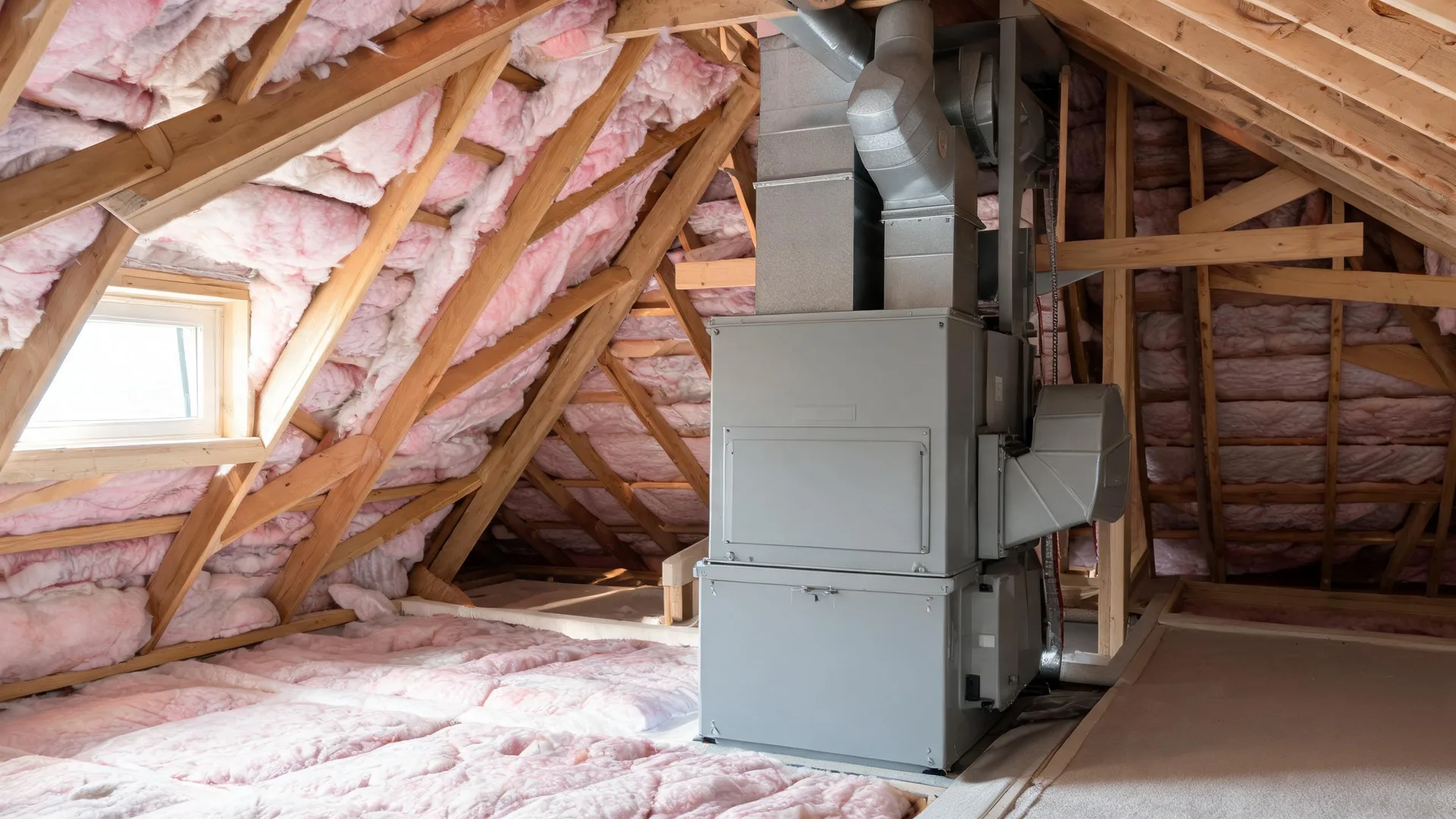
A new condenser can only move as much air as the ducts let it. If the duct runs are undersized, leaky, or routed poorly, a contractor either works around those limits or recommends fixing them before the new system goes in. Sealing or modifying ductwork adds to the job, but installing a bigger unit onto weak ducts just moves the problem instead of solving it.

An outdoor air conditioning condenser unit installed beside the exterior wall of a blue vinyl-sided house at sunset.

Going above the federal minimum saves little here, about $0 a year.

  • A new unit at the federal minimum, 13.4 SEER2$0 a year
  • A higher-efficiency unit$0 a year

Estimates for a typical Gilpin County home, from EIA household energy data, Colorado fuel prices and NOAA climate normals. Your home will differ.

Installation day starts with the old system coming out and the new one going in, but most of the day goes to what connects them. The line set gets run or reused, the indoor coil gets matched to the new condenser, and the refrigerant lines get evacuated and checked for leaks before anything gets charged. Once the unit is set and wired, a contractor charges the system to the manufacturer's spec, not by feel, and checks the pressures against the outdoor temperature at the time. Airflow gets checked at the registers to make sure the ducts are actually delivering what the new unit can produce. The system should be cooling by the end of the day, but a contractor worth hiring tests it under load before calling the job done, not just at startup.