





A multi-story timber-frame and stone house glows with warm interior and exterior lighting on a dark residential street, with mountain peaks and pine trees visible in the background.

AC Installation in Lakewood, CO

Tell us about the job

Takes about a minute. No obligation.

New system or replacementCentral ACJefferson County, CO
Step 1 of 2

What ZIP code is the job in?

Most homes in Jefferson County heat with gas, 72.2 percent of them. An AC installation here usually means a central air conditioner paired with that gas furnace, sharing the same ducts and the same thermostat. Electricity heats 23.2 percent of homes, and those systems may already have central air built in or may need the ductwork sized for it. If your home runs on gas heat, matching a new AC to that setup is the straightforward route. If it came with electric heat or a heat pump, worth asking your contractor how that changes the installation.

1 months
July through July, your air conditioner is on duty
80°F
the average summer afternoon it cools against
152 hail events
in ten years, and hail bends the fins on outdoor coils
13.4 SEER2
the federal minimum any new unit must meet
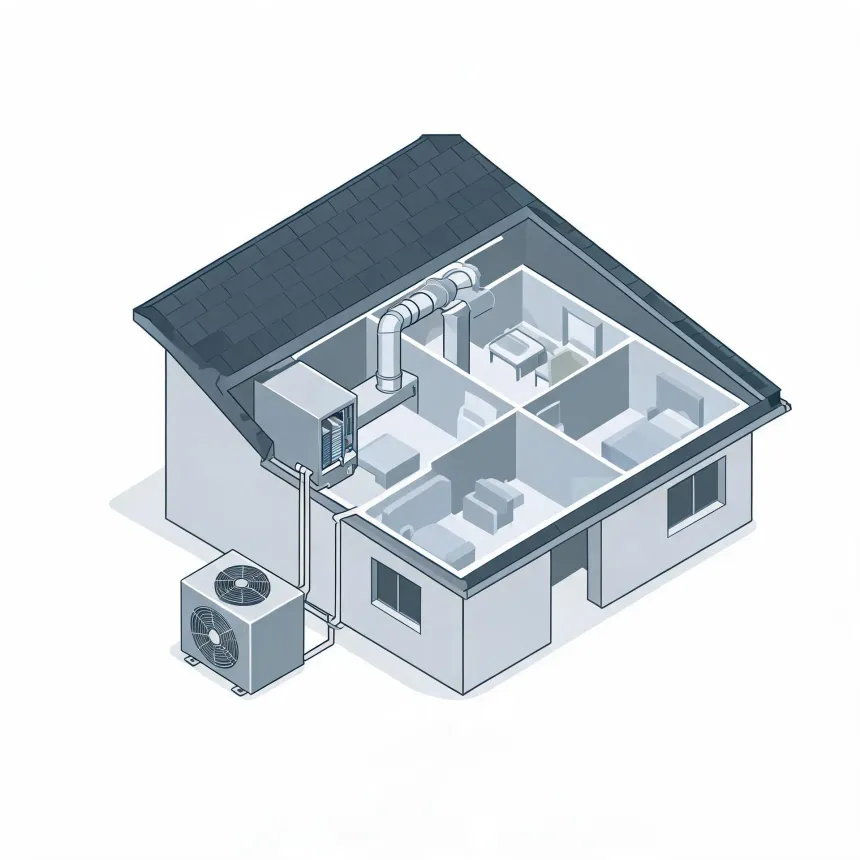
Isometric cutaway illustration of a single-story house showing interior rooms, ceiling ductwork connected to an indoor air handler, and an outdoor condenser unit beside the exterior wall.
Your air conditioner works hardest from July through July.

NOAA nClimDiv, 1991–2020 normals

Cooling in Jefferson County only runs in July.

Get the new AC in before June ends, so installation isn't competing with the first hot week.

One month of real heat is all this system has to answer for

Cooling runs July through July
Summer afternoons average 80°F
114 damaging wind events from 2015 to 2024
Cheap power changes the math hereColorado runs 14.92 cents a kilowatt-hour, so the highest-efficiency unit isn't always the one that pays for itself.

Weather here is rougher on a system than the heat load is. Jefferson County logged 152 hail events over the past decade and 114 damaging wind events alongside them. A standard outdoor unit holds up fine against that, same as it would anywhere else hail and wind are common. None of it calls for a bigger unit or a different kind of equipment. It just means the install should account for what's already come through here, with the condenser set where falling branches or debris won't reach it.

Replace it before the season

Replace it before the season starts, so it happens on your schedule, not in a hurry.

Find a contractor
A man in a dark shirt and tan work pants carries a worn leather tool bag up porch steps toward a red front door, with a potted shrub beside the entry.
A gray residential air conditioning condenser unit mounted on a concrete pad outdoors, surrounded by green grass under a partly cloudy blue sky.

One month of work doesn't wear out a condenser

Picture ends up showing the same thing across the day, July heat that tops out around 80 degrees and nothing else on the calendar asking the condenser to run. That's not much wear. A unit built to hold up matters more here than one built to squeeze out the last point of efficiency, since there's so little runtime to earn it back.

Bigger isn't better

An oversized air conditioner cools the air fast and shuts off before it pulls the moisture out, so the house feels clammy even at the right temperature. It also cycles on and off more, and that start-stop wears on the compressor faster than steady runtime would. The goal is a unit matched to the house, not the biggest one that fits the pad.

How a contractor sizes it

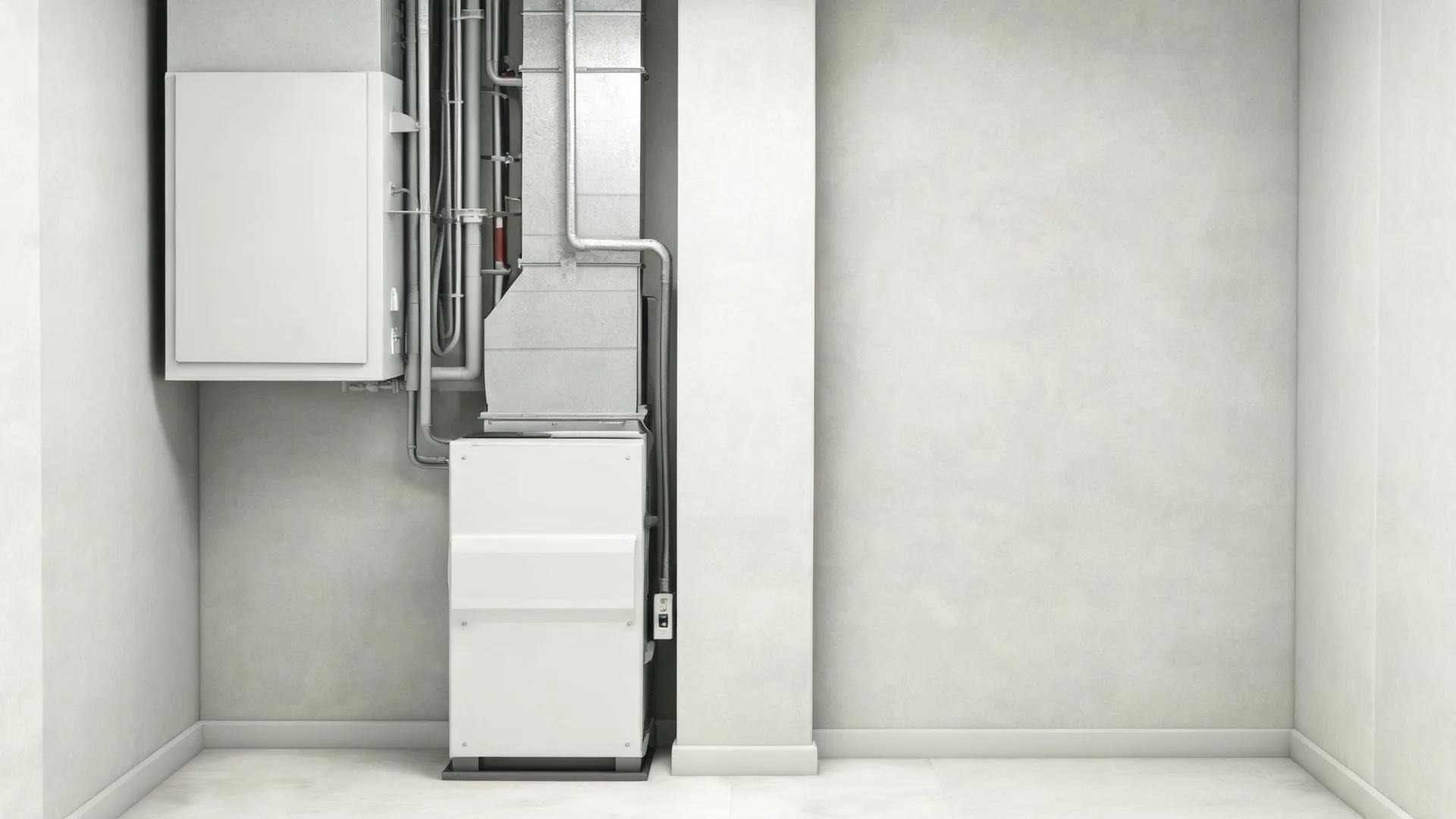
The right size comes from a load calculation, a room by room look at square footage, window area, insulation, and ceiling height, not a guess based on the old unit or a rule of thumb per square foot. A contractor measures the house and runs those numbers before quoting equipment, and the ductwork gets checked too, since a system sized right but choked by undersized ducts still won't cool evenly.

An overhead view of a residential air conditioning condenser unit mounted on a concrete pad next to a house with vinyl siding.

Going above the federal minimum saves little here, about $10 a year.

  • A higher-efficiency unit$80 a year
  • A new unit at the federal minimum, 13.4 SEER2$90 a year

Estimates for a typical Jefferson County home, from EIA household energy data, Colorado fuel prices and NOAA climate normals. Your home will differ.

Installation day starts with the old equipment coming out, the condenser outside and the coil that sits on top of or beside the furnace. Once that coil is in, the refrigerant lines get connected and the whole system is pressure tested before anything gets charged, so a tech knows the joints hold before sealing anything up. The line set gets evacuated to pull out moisture and air, since either one left behind will damage the compressor over time. Only then does the refrigerant go in, and the charge gets weighed in or checked against pressures to match the equipment, not eyeballed. The last steps are electrical, the disconnect box outside and the thermostat wiring, then a full run to check airflow at the vents and the temperature drop across the coil. A contractor walks through what was done and what to watch for before calling it finished.