Gas heat is the norm here
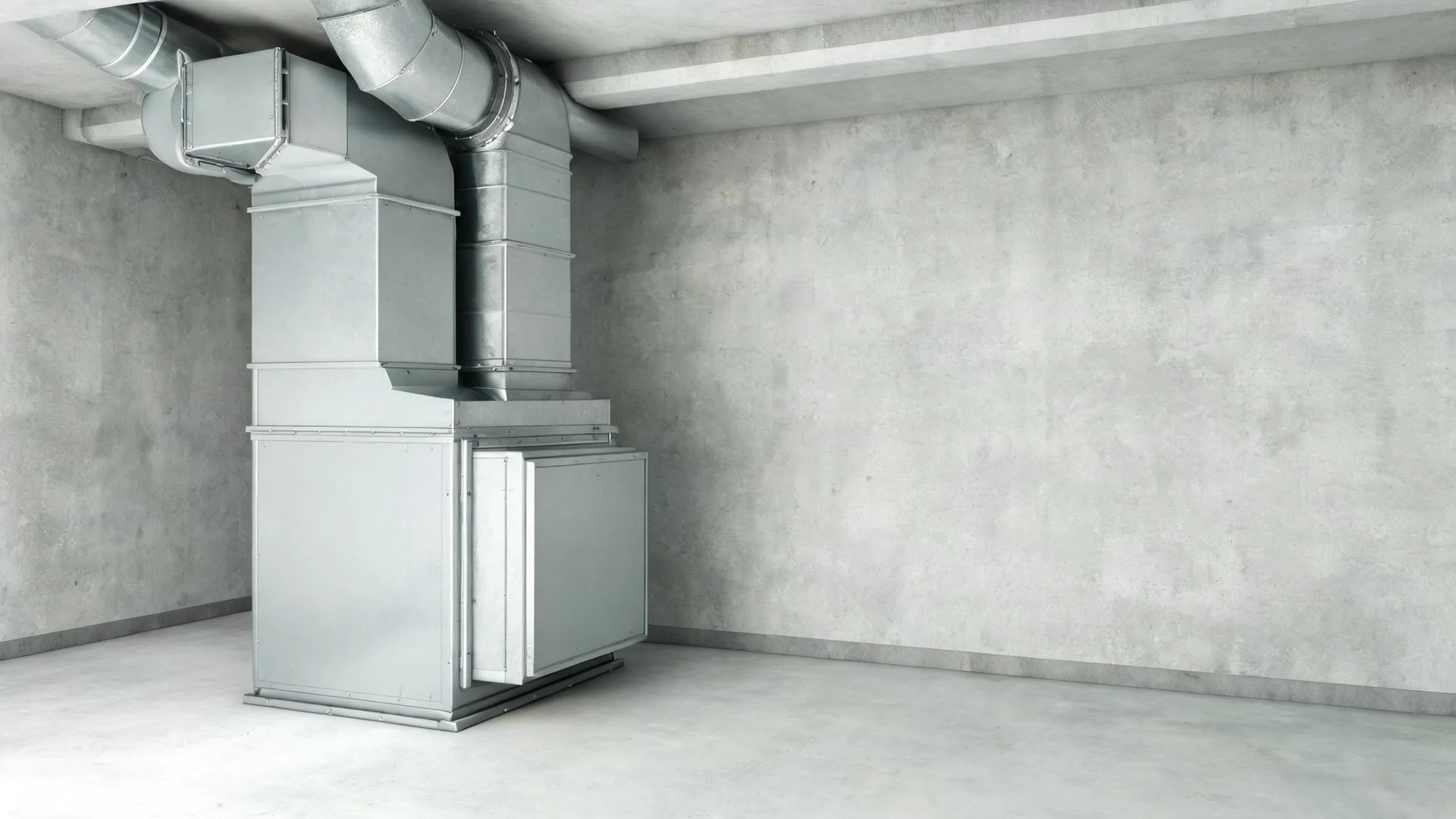
Utility gas heats 73.5% of homes in Mesa County. An AC installation in a home like that is almost always paired with a gas furnace, and the indoor coil has to match what's already there.
Takes about a minute. No obligation.
Utility gas heats 73.5% of homes in Mesa County. An AC installation in a home like that is almost always paired with a gas furnace, and the indoor coil has to match what's already there.
When the furnace stays gas and only the AC side is new, the job is matching a coil and condenser to the existing ductwork and furnace, not rebuilding the whole system from scratch.

NOAA nClimDiv, 1991–2020 normals
Cooling in Mesa County runs about two months, July and August, with afternoon highs averaging 83.
Two months of real heat a year is a light load for a condenser, so a dependable mid-range system sized right for the home is enough.




Ask what size condenser they're proposing and how they got that number. It should come from a load calculation on the house, the windows, the insulation, the square footage, not a rule of thumb based on the old unit. Ask what happens to the indoor coil and whether it matches the new condenser or if it's being reused. A mismatched coil and condenser will cool poorly and can shorten the life of the compressor. Ask about the line set too. If the old one is being reused, it needs to be the right diameter for the new system and free of contamination, or it gets flushed or replaced. Get the refrigerant type in writing, and ask who pulls the permit and does the startup check, since a system that's never had its charge verified against the manufacturer's spec rarely performs the way it's supposed to.
Mesa County falls under zone 5B, and any split-system AC installed here now has to meet 13.4 SEER2 at minimum. That rule narrows the field before you start comparing brands or price points.
Find a contractor
A condenser installed here spends July and August earning its keep, then sits idle the rest of the year. That's not much wear. When a repair does come up down the road, it's usually worth doing, since the unit hasn't been run into the ground. Pick one built to last through normal use, not one chasing a top efficiency number it won't get enough hours to justify.
The right condenser size comes from a load calculation that accounts for the square footage, the windows, the insulation, and how the house is laid out. It is not based on what size unit is already out there. A contractor who proposes a size before looking at any of that is guessing.
An oversized condenser cools the air fast and shuts off before it pulls the moisture out, so rooms feel clammy even at the right temperature. It also cycles on and off more, and that short cycling wears on the compressor faster than steady runtime does. Matching the size to the house is what makes the system last and work right, not sizing up for a margin of safety.
Estimates for a typical Mesa County home, from EIA household energy data, Colorado fuel prices and NOAA climate normals. Your home will differ.
A lot of what drives the price is already decided before anyone bids the job. Pulling out an old condenser and setting a matched one on the same pad, same ductwork, same furnace, is a straightforward swap. The cost moves when something underneath has to change too. A line set that's the wrong size for the new refrigerant charge, ductwork that was never sized to move enough air, an electrical disconnect or breaker that doesn't meet what the new unit needs. None of that shows up in a price quoted over the phone. It shows up when someone's actually under the house or up in the attic looking at what's there. The other piece is the efficiency tier. A higher SEER2 unit costs more up front, and it often needs a variable-speed air handler to actually hit that rating, which adds its own cost. None of that is padding. It's what the job actually requires once someone looks at the house instead of just the old unit.