Gas is the common fuel here
Utility gas heats 48.5% of occupied homes in Las Animas County, with another 23.8% on bottled or LP gas. Electric heat accounts for 15.6%. Most furnaces here run on gas or propane, with a separate AC unit for cooling.
Takes about a minute. No obligation.
Utility gas heats 48.5% of occupied homes in Las Animas County, with another 23.8% on bottled or LP gas. Electric heat accounts for 15.6%. Most furnaces here run on gas or propane, with a separate AC unit for cooling.
If your furnace runs on gas or propane, central air usually pairs the new AC unit with the existing ductwork and furnace blower rather than replacing the whole system. Check what your current setup is before comparing quotes, since that changes what the job involves.

NOAA nClimDiv, 1991–2020 normals
Matching tonnage doesn't mean matching performance once a system is running in your house.
Ask what size the contractor calculated for your home, and what they measured to get there, not just what they're quoting.



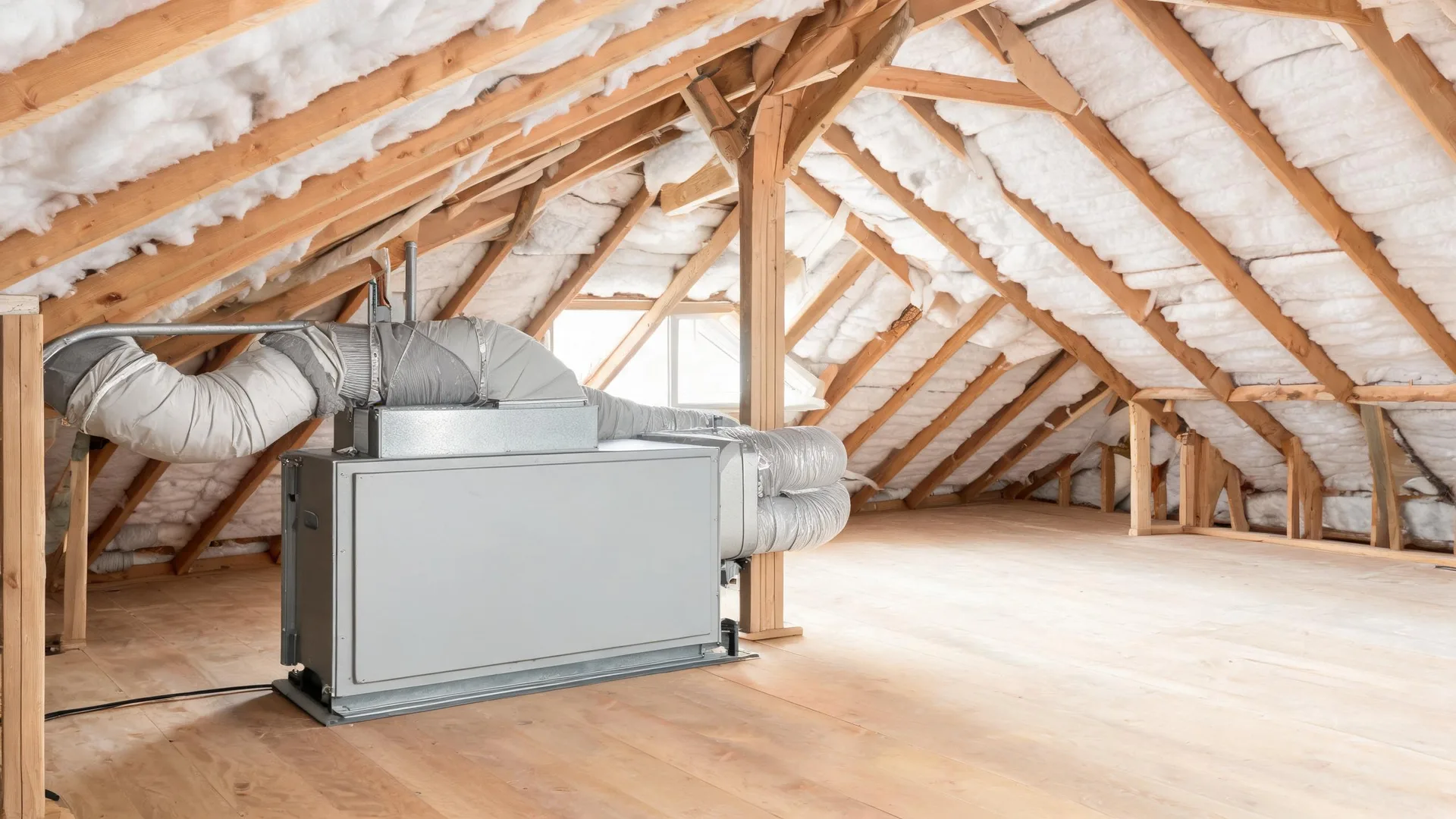
Half the homes in Las Animas County were built in 1972 or earlier. A house that age wasn't built with central air in mind, and the ductwork, if it has any, was sized for a furnace blower alone. Pushing cold air through those same ducts is a different job than warming air moving the other direction. The new AC has to work with the ducts and the house you actually have, not just the square footage. That's worth knowing before you get a number for the install, because the right tonnage depends on what's already there, not a formula based on size alone.
Three months of cooling, June through August, with afternoon highs averaging 86. That's a moderate load, nothing that calls for an oversized unit or a premium efficiency tier. A standard system sized to your house and ducts will keep up fine here.
Find a contractor
If your house was built around 1972 or earlier, ask the contractor to look at the ducts before they give you a tonnage number. A standard system still fits a moderate load like this one, but it has to move through what's already in your walls. The inspection tells you whether those ducts can carry the air a new unit puts out, or whether a return needs to be added or a run resized first. Better to know that before the quote than after the unit is in.
The outdoor unit gets its electrical disconnected and the refrigerant recovered into a tank rather than released, since venting it is against the law. The indoor coil comes out of the plenum above or beside the furnace. Both pieces get hauled away, usually the same day as the new install, since most driveways and closets only have room to work on one system at a time.
Old line sets are sized and cleaned for whatever refrigerant the old unit used, and the oil residue left behind can contaminate a new system. Most installs run new copper line set between the indoor coil and the outdoor unit rather than flushing and reusing the old lines. That's a normal part of the job, not an upcharge to question.
Estimates for a typical Las Animas County home, from EIA household energy data, Colorado fuel prices and NOAA climate normals. Your home will differ.
Install day starts with the system off, since the old unit has to come apart before the new one goes in. The outdoor unit and indoor coil both get disconnected, and any ductwork changes happen before the new equipment goes in place. Once the new outdoor unit and coil are set, the line set gets connected, the system gets evacuated to pull moisture and air out of the lines, then charged with refrigerant to the manufacturer's spec. The contractor fires it up, checks the refrigerant charge, the airflow across the coil, and the temperature split between the air going in and the air coming out. A thermostat that's old or wired for a different system sometimes gets swapped at the same time, since a mismatch there can keep a good install from running right.