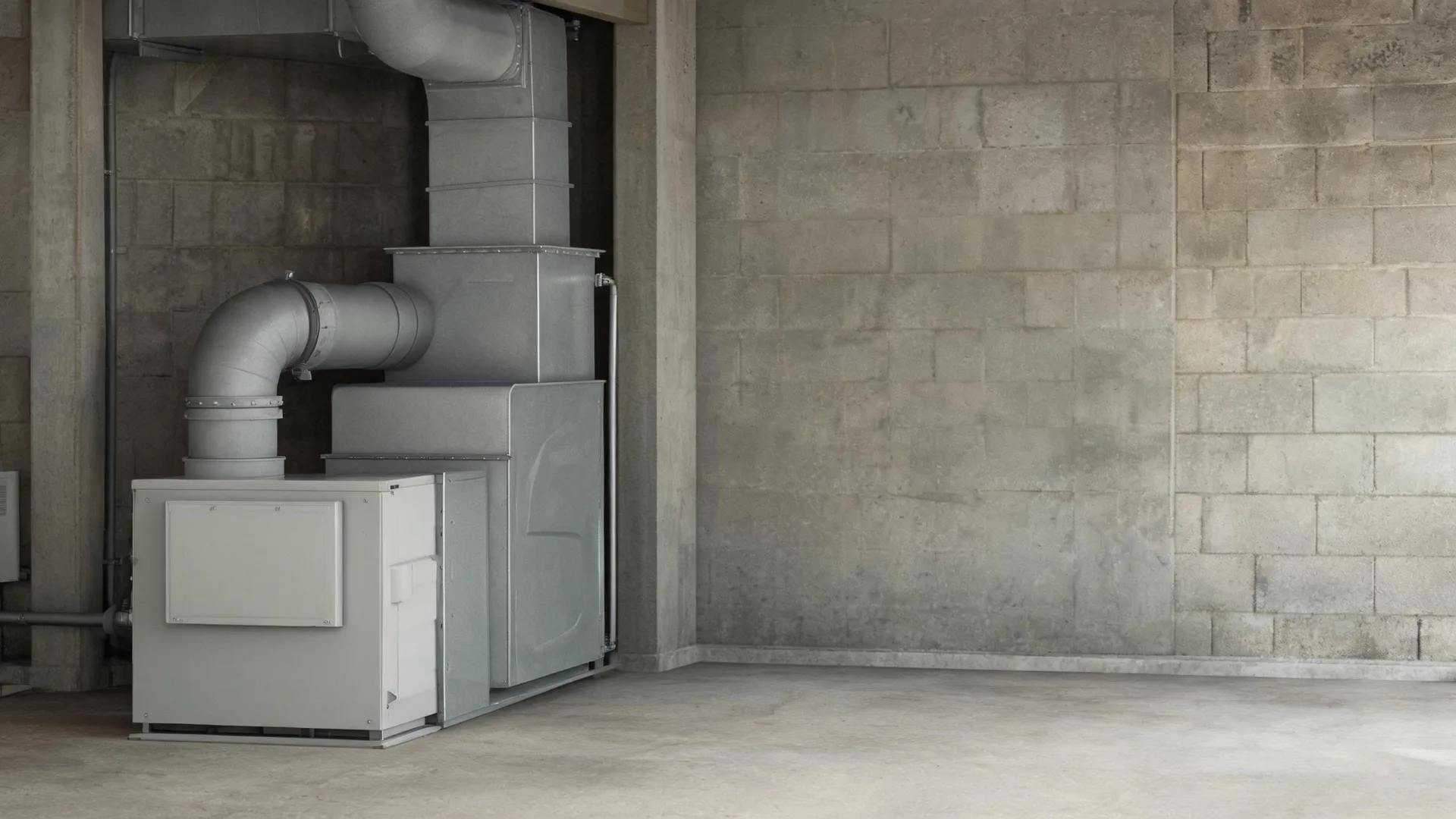
Gas heat is the norm here
Utility gas heats just over half of homes in Grand County. A gas furnace runs on its own ductwork, and that same ductwork usually carries central air with no rework needed.
Takes about a minute. No obligation.
Utility gas heats just over half of homes in Grand County. A gas furnace runs on its own ductwork, and that same ductwork usually carries central air with no rework needed.
Close to three in ten homes here heat with electricity, often through a heat pump or electric furnace. For these homes, the contractor checks the ductwork and the electrical panel before sizing an AC system, since neither may match what a gas home has.

NOAA nClimDiv, 1991–2020 normals
Summer afternoons in Grand County average 72°F, June through August.
An air conditioner here never has to fight real heat, so a well built standard system holds up fine.




Grand County falls in climate zone 7, the coldest tier in the energy code, so any AC installed here still has to meet the federal minimum efficiency for its size. For a split system under 45,000 Btu/h, that floor is 13.4 SEER2. That rule applies the same whether the house runs on gas heat with central air tied into the furnace ductwork, or on electric heat with a system sized around the panel. A contractor installing new equipment here will spec to at least that rating, since anything below it cannot legally go in.
Cheap power here means a high-SEER2 system takes longer to earn back its extra cost. Put the weight on getting a unit that fits your home and holds up, sized right for your ductwork or panel, installed by someone who knows this county.
Find a contractor
Ask what the compressor is rated for in hours of operation, not just years, since a unit that cycles on and off all day wears differently than one that runs in long, steady stretches. Ask how the warranty treats the compressor versus the rest of the parts, since those terms are often different, and ask whether labor is covered too, not just the part itself. A system sized correctly for the home runs longer cycles at lower output rather than short bursts at full blast, so ask whether the equipment is single-stage or has a compressor that can vary its speed, and what that means for a mild afternoon versus a hot one. Ask what the outdoor cabinet is made of and how it mounts to its pad, since that is what holds up through wind and freezing nights outside. A unit that sounds good in a showroom still has to sit outside through all of it.
A contractor disconnects the refrigerant line, the electrical whip and the condensate drain before the old condenser or coil moves. If the system used refrigerant that is no longer made, it gets recovered into a tank rather than vented, because venting it is against the law. None of this touches the ductwork, so a gas furnace and its vents stay exactly as they are.
If the concrete pad under the old condenser is still flat and solid, the new unit can sit right on it. The copper line set connecting indoor coil to outdoor condenser often gets reused too, as long as it is the right diameter for the new system and free of kinks or corrosion. A contractor checks both before deciding what to keep and what to replace.
Estimates for a typical Grand County home, from EIA household energy data, Colorado fuel prices and NOAA climate normals. Your home will differ.
Installation day starts with the old equipment fully disconnected, power off at the breaker before anyone touches a wire. Once the new outdoor unit and indoor coil are set, a contractor pulls a vacuum on the line set to clear out air and moisture, since either one left behind ruins the refrigerant charge. The system gets charged to the exact weight or pressure the manufacturer specifies, not just topped off by feel. Then it runs through a test cycle, checking the temperature split between the air going in and the air coming out, and listening for anything that sounds wrong in the first few minutes. A thermostat gets set up or reused last, once the contractor knows the system is holding steady.