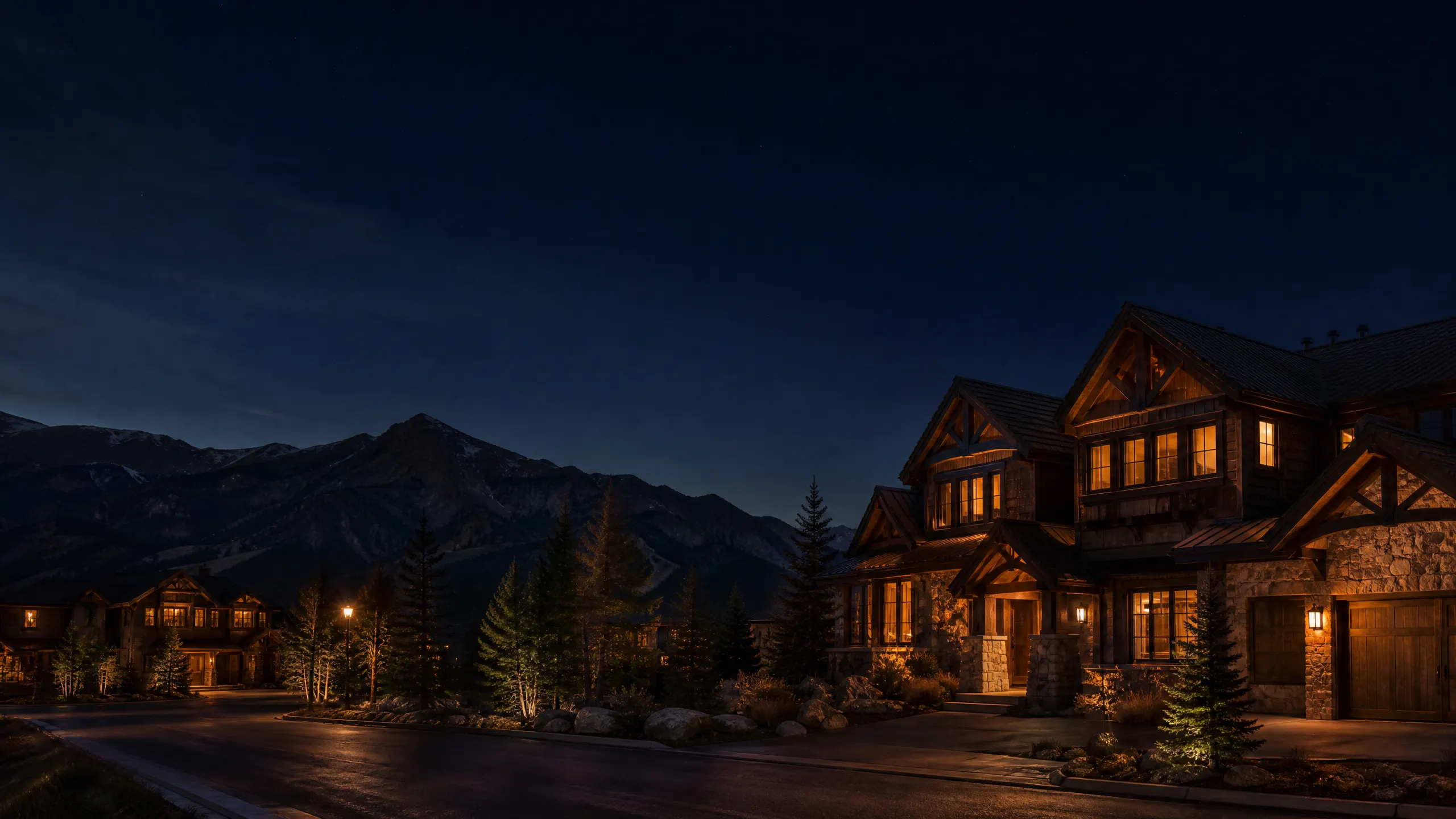





A multi-story timber-frame and stone house glows with warm interior and exterior lighting on a dark residential street, with mountain peaks and pine trees visible in the background.

AC Installation in Elizabeth, CO

Tell us about the job

Takes about a minute. No obligation.

New system or replacementCentral ACElbert County, CO
Step 1 of 2

What ZIP code is the job in?

Elbert County runs mostly on gas heat. Utility gas accounts for 44.9 percent of homes, and propane covers another 37.7 percent. Electric heat is a distant third at 10.2 percent. For an AC installation, that mix matters because most homes already have a gas or propane furnace moving air through the ducts. The new AC coil has to pair with what's already there, so the furnace or air handler on site usually decides which coil and condenser fit.

2 months
July through August, your air conditioner is on duty
84°F
the average summer afternoon it cools against
165 hail events
in ten years, and hail bends the fins on outdoor coils
13.4 SEER2
the federal minimum any new unit must meet
Isometric cutaway illustration of a single-story house showing interior rooms with ductwork and an air handler, connected by refrigerant lines to an outdoor condenser unit on the left.
Your air conditioner works hardest from July through August.

NOAA nClimDiv, 1991–2020 normals

Colorado electricity runs 14.92 cents per kilowatt-hour, below the national average.

A high-SEER2 condenser takes longer to earn back its extra cost here, so pick the unit that matches your ductwork and furnace first.

Two months of real heat, nothing this system needs to be oversized for

Cooling runs July through August
Summer afternoons average 84°F
83 damaging wind events from 2015 to 2024

Elbert County sits in climate zone 5B, where winter is the bigger job and summers stay dry. Any split-system air conditioner under 45,000 Btu/h installed here, if built since January 2023, has to meet 13.4 SEER2 at minimum. That's a federal floor, not a local add-on, so it applies no matter who installs it. A unit rated below that number can't legally go into a new install, new construction or replacement alike. Worth asking a contractor which condensers they carry that clear it, since not every older model on a lot still qualifies.

Get it installed before July

Cooling in Elbert County runs July and August. Put the install in now, in June or earlier, and the new system is already in and tested before it has to do any work. Wait until the first hot week and you're scheduling around whatever opening a contractor has left.

Find a contractor
A gray cylindrical air conditioning condenser unit mounted on a concrete pad next to a light-colored vinyl-sided house exterior.

The box outside is the easy part to price

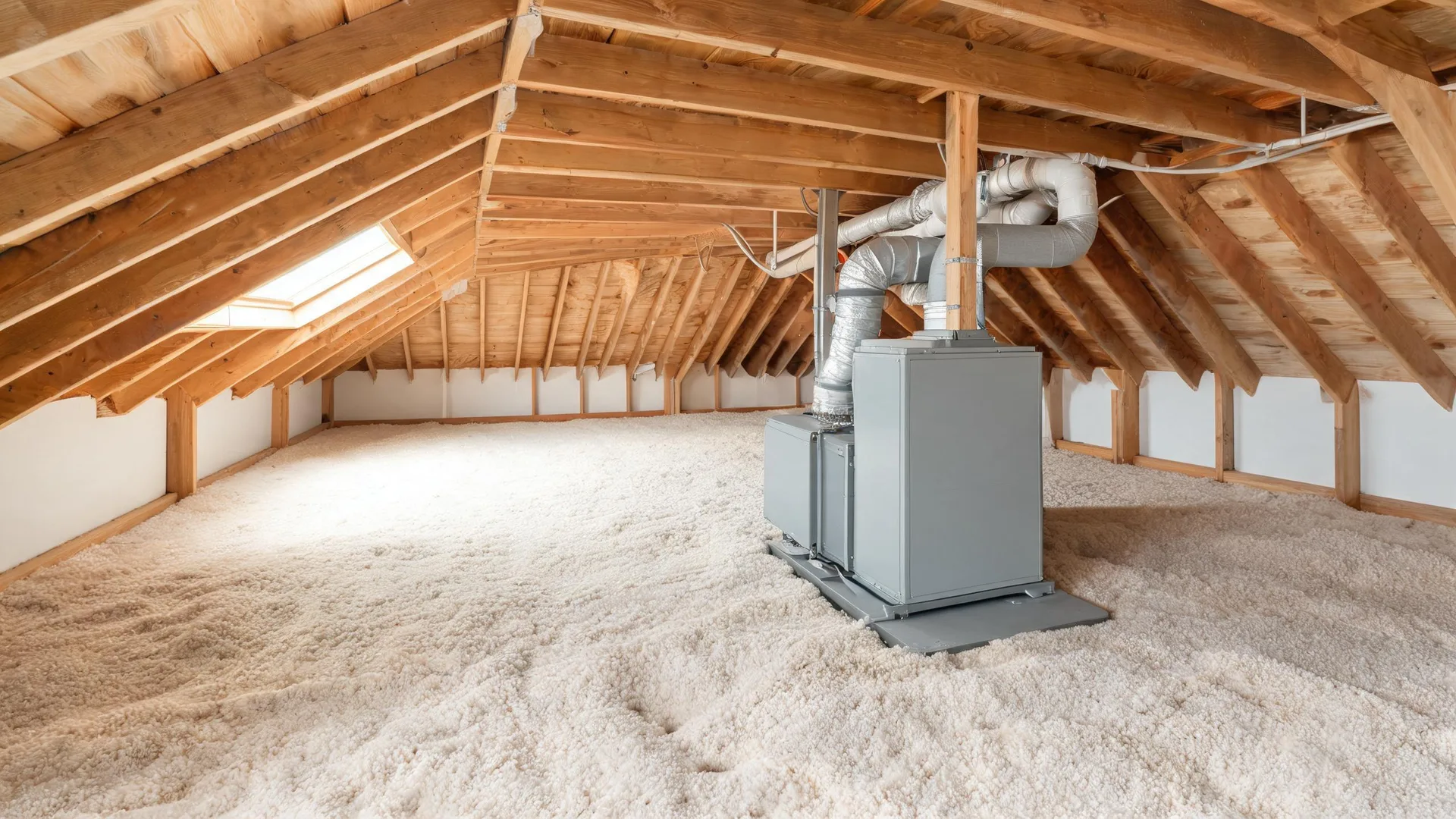
The condenser and coil are only part of what you're paying for. Matching them to the rest of the system is where the work goes. The coil has to fit the furnace or air handler already in the house, and if the ductwork is undersized or leaky, a contractor has to address that before the new unit can perform the way it's rated to. Line set length, the condenser's electrical disconnect, a pad to set it on, all of that is labor on top of the equipment itself. A straight swap where the old unit matches the new one in size and location goes faster than one where the ductwork needs rework or the electrical panel needs a new circuit. None of that shows up on the condenser's price tag, but it's where an installer spends the time.

Sizing is a calculation, not a guess from square footage

A contractor works out the right size with a load calculation that accounts for window area and orientation, insulation, ceiling height, and how much shade the house gets. Houses the same size on paper can need different tonnage. Going by floor space alone skips over everything that actually drives the number.

Bigger isn't a safety margin, it's a different problem

An oversized condenser cools the air fast and shuts off before it pulls the humidity down, so the house feels clammy even at the thermostat setting. It also cycles on and off more often than it should, and that short cycling wears on the compressor sooner than steady runtime would.

An outdoor air conditioning condenser unit positioned beside a blue-sided house at sunset.

Going above the federal minimum saves little here, about $20 a year.

  • A higher-efficiency unit$160 a year
  • A new unit at the federal minimum, 13.4 SEER2$180 a year

Estimates for a typical Elbert County home, from EIA household energy data, Colorado fuel prices and NOAA climate normals. Your home will differ.

Install day starts with the old system coming out, not the new one going in. The condenser gets disconnected and hauled off, the old coil comes out of the plenum, and if a line set is being reused it gets flushed or replaced rather than trusted as is. The new coil goes in on top of the furnace or air handler, sealed into the ductwork so air isn't leaking out around it. Outside, the pad gets leveled before the condenser sets on it, since a unit sitting crooked will wear its own mounts over time. Once the line set is run and connected, the system gets evacuated to pull moisture and air out of the lines before refrigerant goes in. Only after that does a contractor power it up, check the charge, and run it long enough to see it cycle properly.