




A multi-story timber-frame and stone house glows with warm interior and exterior lighting on a dark residential street, with mountain peaks and pine trees visible in the background.

AC Installation in Colorado Springs, CO

Tell us about the job

Takes about a minute. No obligation.

New system or replacementCentral ACEl Paso County, CO
Step 1 of 2

What ZIP code is the job in?

Gas heats close to seven in ten homes in El Paso County, and that split matters when you're pricing out AC. Most of those homes pair a gas furnace with a separate air conditioning unit, the furnace handling heat and the AC handling cooling through the same ducts. If your home already runs that way, replacing the AC side is usually straightforward, since the ductwork and the air handler setup are already there to work with. Electric heat pumps cover about a quarter of homes here and do both jobs in one system, so that installation looks different. Worth checking which setup your home has before you get quotes, since it changes what the job actually involves.

2 months
July through August, your air conditioner is on duty
83°F
the average summer afternoon it cools against
717 hail events
in ten years, and hail bends the fins on outdoor coils
13.4 SEER2
the federal minimum any new unit must meet
Isometric line illustration of a cutaway house showing interior rooms with ductwork, an air handler and furnace, connected by lines to an outdoor condenser unit on the ground outside.
Your air conditioner works hardest from July through August.

NOAA nClimDiv, 1991–2020 normals

An oversized AC cools the air fast but shuts off before it pulls the moisture out.

The right size runs longer, lower, and leaves the air dry enough to feel right.

Cheap power here means the right fit matters more than the efficiency rating

Power costs 14.92 cents a kWh statewide
Cooling runs July through August
Summer afternoons average 83°F

Cooling here only runs about two months a year, July and August, with afternoon highs averaging 83 degrees. That's a mild load compared to what a lot of the country asks of an AC system. A standard size and a standard efficiency rating will do the job fine. Where El Paso County asks more of a system is weather, not heat. Hail and damaging wind both hit this county often, and the outdoor unit sits outside through all of it. That's a reason to look at the condenser's housing and placement, not a reason to size up or pay for a higher tier of efficiency.

A new AC here has to meet 13.4 SEER2, and that's the standard to shop against

Any new split system going in has to meet 13.4 SEER2 at minimum, the federal rule for units under 45,000 Btu/h. El Paso County sits in zone 5B, a cool, dry climate where heating carries most of the load, which is part of why that baseline efficiency is enough here and nothing more is required. Worth knowing before you start comparing quotes.

Find a contractor
A man in a dark jacket, cap and tan work pants, seen from behind, carries a worn canvas tool bag up wooden porch steps toward a red front door.
An outdoor air conditioning condenser unit mounted on a concrete pad surrounded by gravel, photographed against a partly cloudy blue sky.

Get it done in June, before the two months that matter

Cooling here runs about two months a year, July through August. Everything upstream of that, June especially, is the time to get a new system in. Wait until the first hot week and you're choosing from whatever's in stock, installed by whoever's free that day. Get it done in June and the contractor has room to size the job right, order the unit that fits, and get the install done without rushing the refrigerant lines or the ductwork tie-in. The AC still has to run two full months as soon as it goes in. Nothing about an early install softens that. It just means the system starts the season already set up right, instead of getting set up right in the middle of it.

The old unit gets disconnected and hauled off

The installer recovers the refrigerant from the old condenser before touching anything, since it can't legally be vented into the air. After that the lines get disconnected, the old condenser and coil come out, and the unit leaves with the crew. Refrigerant type is worth asking about if your system is older, since some older refrigerants are being phased out and that can affect how the removal is handled.

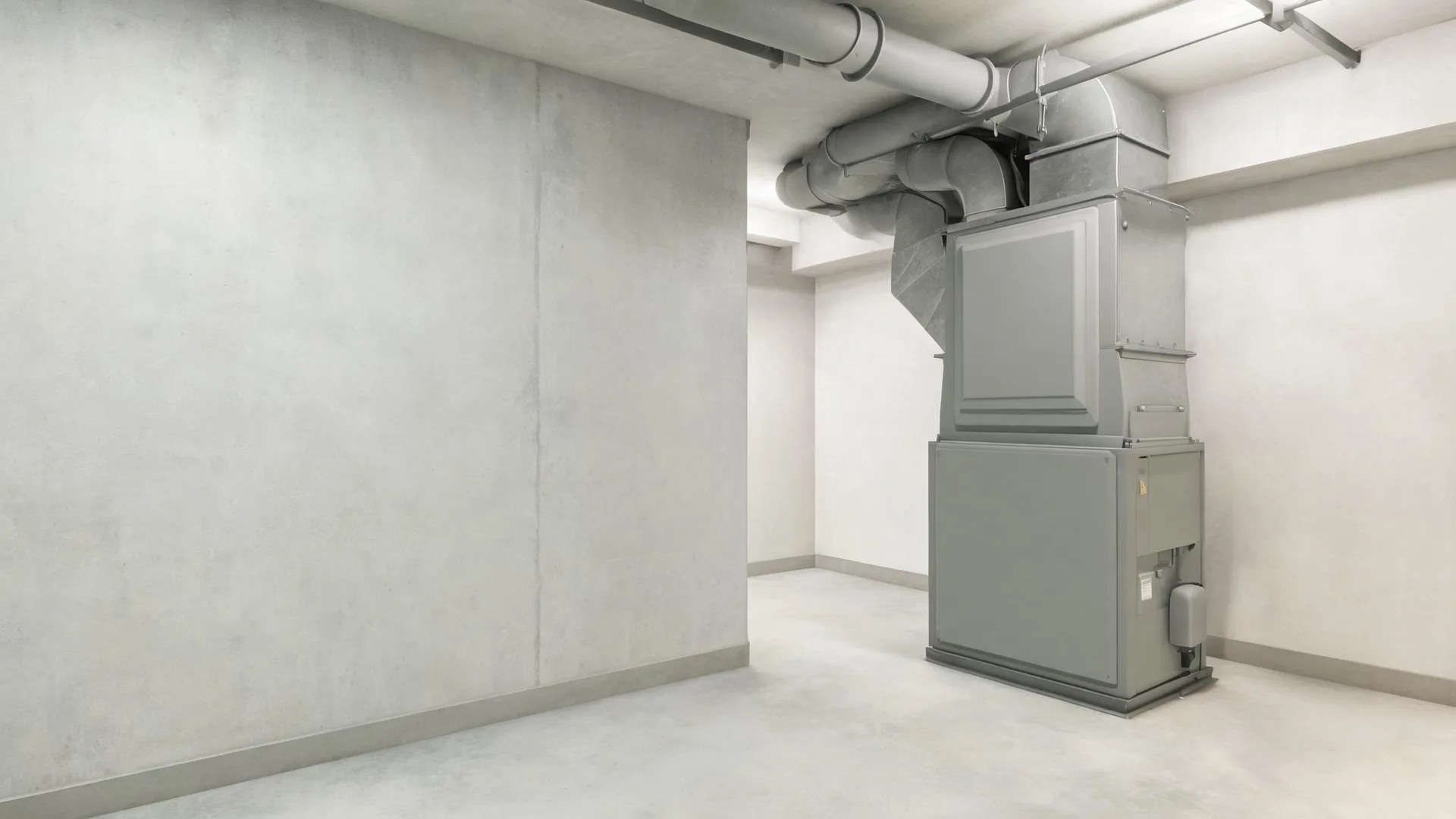
What's left behind gets a hard look

Pulling the old coil and condenser is when a contractor can actually see the refrigerant lines, the electrical disconnect, and the pad or bracket the condenser sits on. Old line sets get reused when they're in good shape and matched to the new system's refrigerant, but a damaged or mismatched line set gets replaced rather than connected to equipment it wasn't built for.

An outdoor central air conditioning unit mounted on a concrete pad beside a blue-sided house at sunset.

Going above the federal minimum saves little here, about $20 a year.

  • A higher-efficiency unit$140 a year
  • A new unit at the federal minimum, 13.4 SEER2$160 a year

Estimates for a typical El Paso County home, from EIA household energy data, Colorado fuel prices and NOAA climate normals. Your home will differ.

A few things push the price of an install beyond the unit itself. Matching the new condenser to the indoor coil matters, since pairing mismatched equipment hurts both efficiency and the warranty. If the old line set is getting reused, the installer still has to check it's the right diameter and free of contamination before connecting it to new equipment. The electrical disconnect and breaker need to be rated for what the new unit draws, and older ones sometimes need upgrading to meet code. The pad or bracket the condenser sits on has to be solid and level, or the unit settles and strains the refrigerant lines over time. None of this shows up in the sticker price of the equipment, but all of it affects whether the system runs the way it's supposed to.