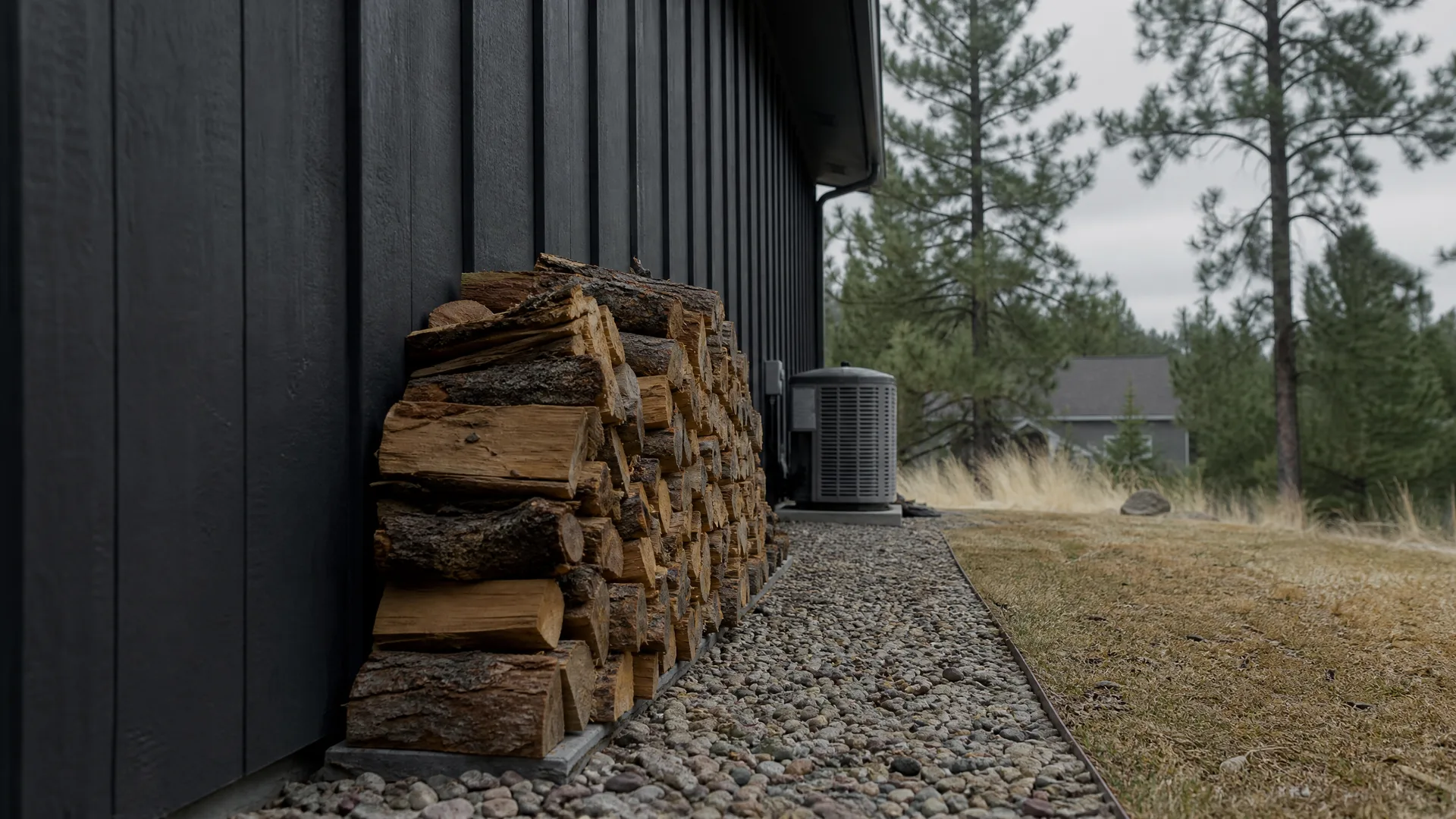





Split firewood stacked against the dark vertical board siding of a house, beside a gravel strip, an outdoor air conditioning unit, dry grass and pine trees.

AC Installation in Boulder, CO

Tell us about the job

Takes about a minute. No obligation.

New system or replacementCentral ACBoulder County, CO
Step 1 of 2

What ZIP code is the job in?

Gas heats close to seven in ten homes in Boulder County, and most of those furnaces share a blower and ductwork with the air conditioner. That matters for an AC installation, because the install usually means matching new equipment to the ducts already running through your house rather than building a system from scratch. Homes on electric heat or propane are more likely working with a heat pump or a different duct layout, so the job can look different. If your furnace and ducts came with the house, that's the starting point worth checking before anything else.

78°F
the average summer afternoon it cools against
125 hail events
in ten years, and hail bends the fins on outdoor coils
13.4 SEER2
the federal minimum any new unit must meet
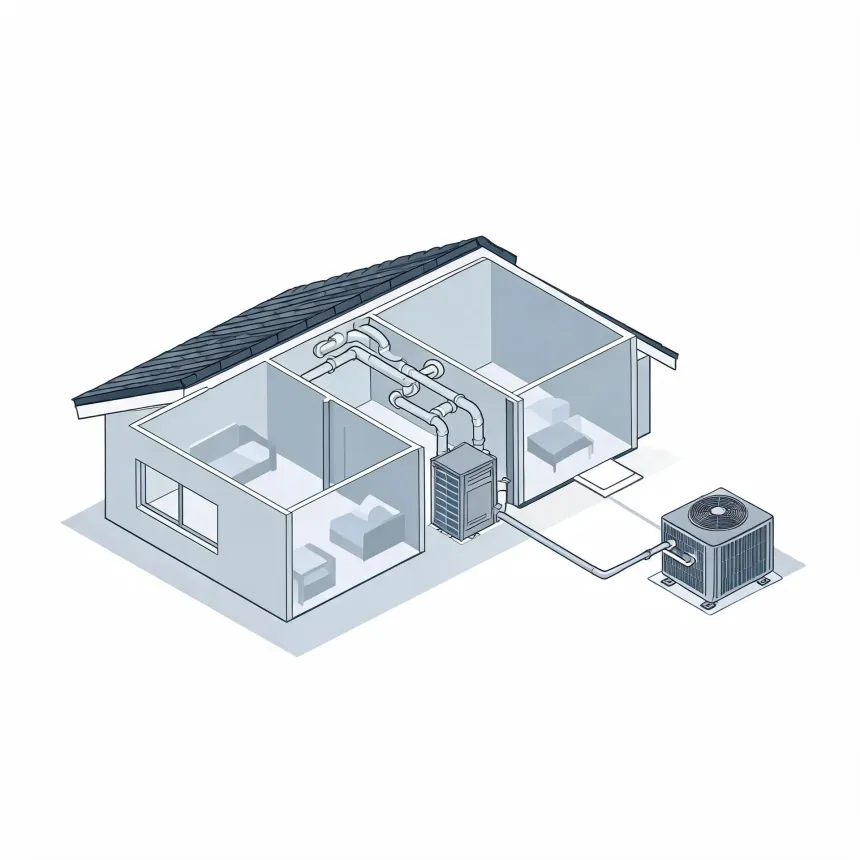
Isometric line illustration of a cutaway single-story house showing interior rooms, ductwork, an indoor air handler or furnace, and a refrigerant line running to an outdoor condenser unit on a pad.
Your air conditioner works hardest from July through August.

NOAA nClimDiv, 1991–2020 normals

A bigger air conditioner isn't a better one. The wrong size runs worse than the right size run hard.

Sizing comes from a load calculation on your house, not the square footage of the one next door.

Summers here don't push an AC hard, so the storms matter more than the heat

Summer afternoons average 78°F
120 damaging wind events from 2015 to 2024
125 hail events from 2015 to 2024

Boulder County falls in climate zone 5B, a cool zone where winter heating matters more than summer cooling. Any split-system air conditioner installed here under 45,000 Btu/h has to meet 13.4 SEER2 at minimum, under the federal standard that applies everywhere this size unit is sold. That rule narrows what a contractor can legally put in, regardless of what used to be in your house or what's cheapest to source. A federal tax credit is available for qualifying high-efficiency equipment, on top of that minimum. Worth asking a contractor what qualifies before you settle on a unit.

Cheap power means efficiency isn't what decides this

Electricity in Colorado ran 14.92 cents per kilowatthour in 2024, lower than most of the country. A high-efficiency AC costs more up front and takes longer to earn that back here than it would somewhere with pricier power. That makes the unit's fit and reliability the bigger question for this install, not the SEER2 number alone.

Find a contractor
A man in a dark cap, dark long-sleeved shirt and tan work pants walks up porch steps toward a red front door, carrying a worn canvas tool bag.
A gray metal air conditioning condenser unit mounted on a concrete pad in a flat grassy field under a partly cloudy sky.

The unit is the small part of the bill

What drives the price of an install isn't the unit sitting in the showroom. It's everything around it. Ductwork that needs modifying costs more than ductwork that just needs connecting. A line set that has to be run somewhere new costs more than one that's already in place. An electrical panel that can't take the new unit's load needs upgrading before the install can even start, and that's a separate job layered onto the one you asked for. The condenser pad, the disconnect box, the refrigerant charge, all of it is labor on top of equipment. Houses with the same unit can end up with different bills, because one needed ductwork run to a room that never had it and the other already had a line running there. The unit is the easy part to price. What it takes to connect it to your house is the part that moves the number.

SEER2 is measured over a season, not a single afternoon

The number on the label comes from testing across a range of conditions, mild days and hot ones, not the unit's peak output. A unit with a high rating can still feel different from house to house, depending on the ductwork and airflow it's paired with. The rating describes the equipment by itself. It says nothing about what happens once it's connected to your ducts.

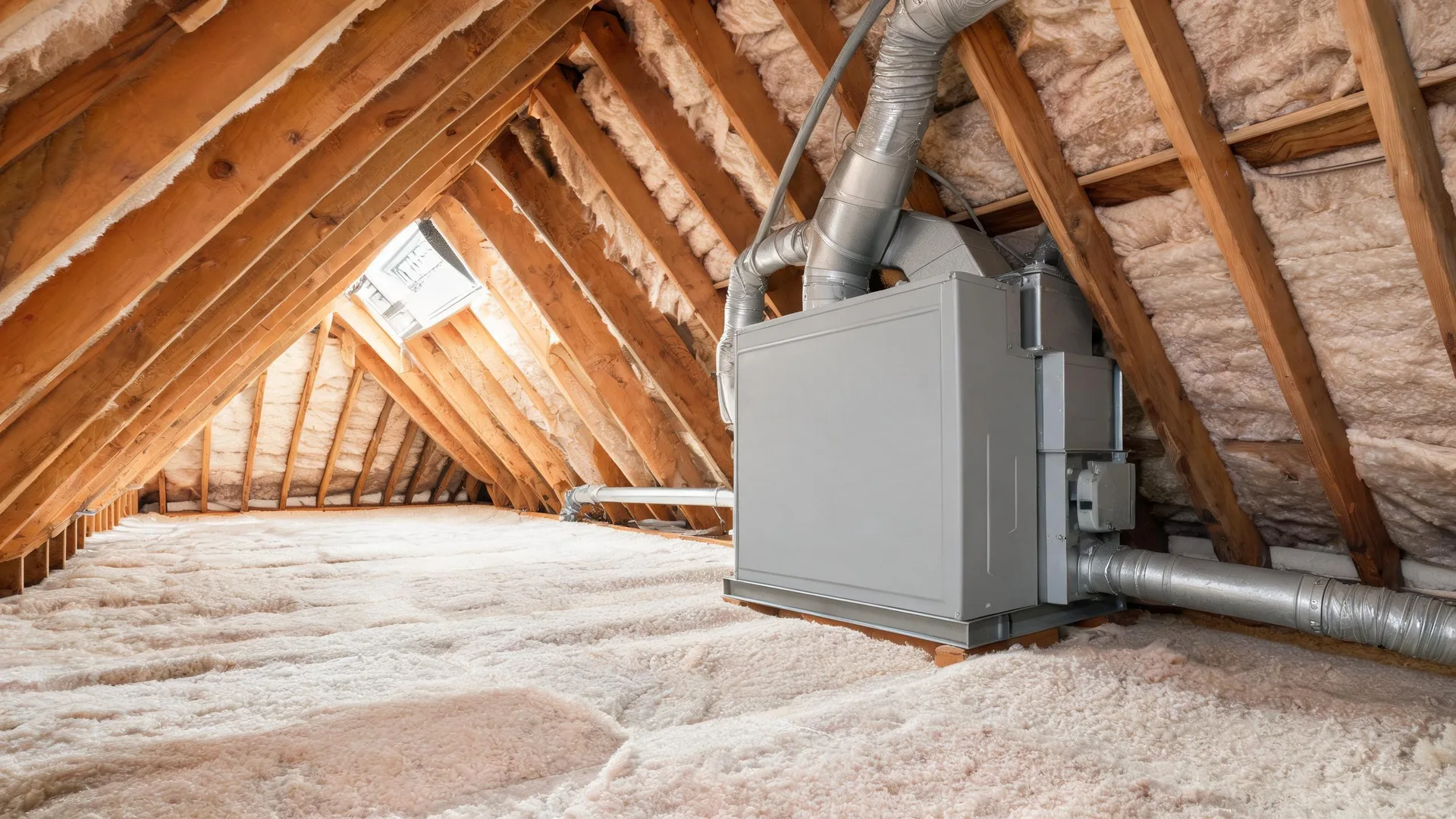
A high rating doesn't fix a bad install

Refrigerant charged wrong, ducts that restrict airflow, or a unit sized off the house all drag real performance below what the label promises. The rating assumes the system was set up right. A mid-rated unit installed correctly will outperform a high-rated one installed poorly, and no number on the label tells you which contractor got that part done.

Overhead view of an air conditioning condenser unit on a concrete pad next to a house with asphalt shingle roofing and vinyl siding.

Going above the federal minimum saves little here, about $10 a year.

  • A higher-efficiency unit$60 a year
  • A new unit at the federal minimum, 13.4 SEER2$70 a year

Estimates for a typical Boulder County home, from EIA household energy data, Colorado fuel prices and NOAA climate normals. Your home will differ.

When you're comparing quotes, the equipment list matters less than what each contractor proposes to do with your ducts. Ask whether they're running a load calculation or pricing off the old unit's size. Ask what they plan to check on the duct run itself, since a system can be sized right and still underperform if the ducts restrict airflow to certain rooms. Ask how they're handling the line set, whether it's being reused or replaced, and why. And ask what happens if the load calculation comes back different from what's currently installed. A contractor who answers those questions specifically, about your house, is further along than one who starts by naming a brand.