Illuminated timber-and-stone houses line a residential street at dusk, with evergreen trees in the foreground and a silhouetted mountain range behind them.

AC Repair in Fort Collins, CO

Tell us about the job

Takes about a minute. No obligation.

RepairCentral ACLarimer County, CO
Step 1 of 2

What ZIP code is the job in?

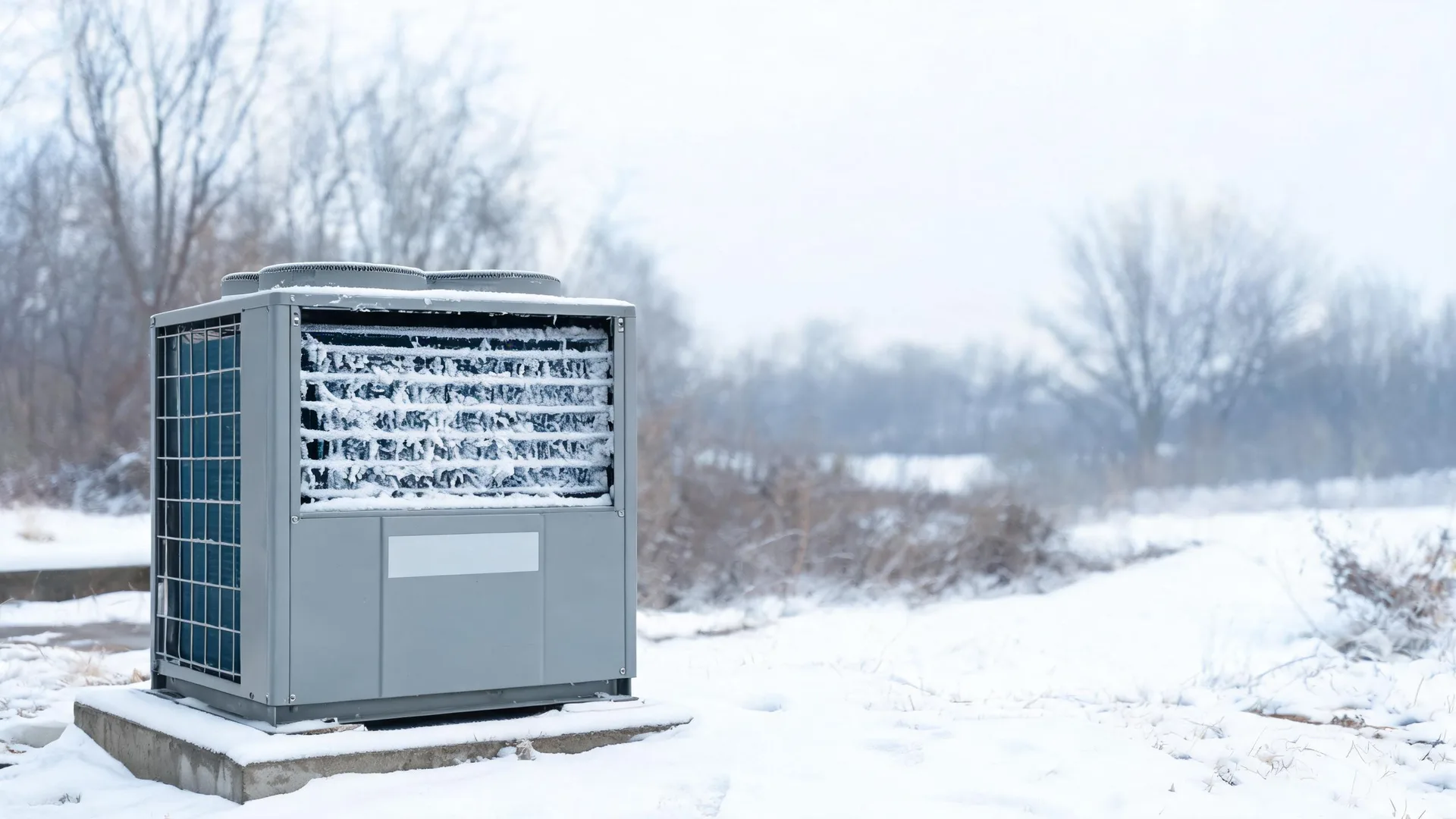
Hail and wind find the outdoor unit

Larimer County logged 155 hail events and 102 damaging wind events between 2015 and 2024, plus 359 severe weather events total. An AC condenser sits outside with no cover, so it takes the hit when the rest of the house doesn't.


A unit that still runs can still be hurt

Bent fins or a cracked fan blade do not always stop an air conditioner right away. If yours came through a storm this year, worth having someone look at it before the damage turns into a failure on the next hot day.

76°F
the average summer afternoon it cools against
155 hail events
in ten years, and hail bends the fins on outdoor coils
102 wind events
in ten years, and wind drives debris into outdoor units
Isometric line illustration of a cutaway single-story house showing interior rooms with furniture, ceiling ductwork, an indoor air handler, and an outdoor condenser unit connected by lines along the exterior wall.
Your air conditioner works hardest from July through July.

NOAA nClimDiv, 1991–2020 normals

Warm air from the vents when the thermostat is set low means the system is running but not cooling.

That points to a sealed problem, like a low charge or a failing compressor, worth a diagnosis before it quits for good.

Half the homes here were built in 1993 or later, and the AC inside them still has years ahead of it

Half the homes here were built by 1993
Summer afternoons average 76°F
102 damaging wind events from 2015 to 2024

If your AC is giving you trouble and the house is newer, that points toward fixing the unit rather than replacing it. A repair on a system with years of life left is money that stays useful. The outdoor unit especially is worth having checked after any storm, since a bent fin or cracked blade might not show up as a problem until a hot day pushes the system harder. Get a diagnosis before deciding anything about cost, and let the actual age of your equipment, not the age of the house, settle the question.

Had a storm come through? Get the condenser checked before it fails on you

If your outdoor unit came through a storm this year, get it looked at now, while the system is still running and before a hot day finds the damage for you.

Find a contractor
An outdoor air conditioning condenser unit mounted on a concrete pad beside a house, with electrical conduit running to a wall-mounted disconnect box.

What you can check before the technician gets there

Before you call anyone, go outside and look at the condenser. Clear away leaves, grass clippings or anything piled against the cabinet, since airflow in matters as much as airflow out. Check the breaker if the unit won't start at all. Inside, swap the air filter if it's dirty, a clogged filter chokes the airflow and can make the coil freeze over. If you see ice on the refrigerant lines or the indoor coil, shut the system off and let it thaw completely before running it again. Check that the thermostat is set to cool and the temperature is actually below room temperature, it sounds obvious until it's the whole problem. Look at the outdoor fan while the system runs. If it's not spinning, or it's wobbling, that's not something to fix yourself. None of this tells you what's wrong if the system still doesn't cool right. A refrigerant leak, a failing capacitor or a worn-out compressor all need gauges and training to find. What these checks do is rule out the simple stuff, so when someone comes out, the visit goes straight to the real problem instead of starting from zero.

Capacitors and contactors wear out on a schedule

The capacitor gives the compressor and fan motor the push they need to start, and it weakens with every cycle until one day it can't. A contactor does the same job on a smaller scale, switching power to the outdoor unit thousands of times a season. Both are cheap parts that cause a total no-start when they finally give out, and it has nothing to do with how well the rest of the system was built or maintained.

Low refrigerant almost always means a leak, not just loss

A sealed system doesn't use up refrigerant the way a car uses gas. If the charge is low, it's low because it's leaking out somewhere, through a worn coil, a bad fitting, or a line that's rubbed through. Adding refrigerant without finding the leak just buys a short delay before the same symptoms come back, and running a system low on charge for too long puts extra strain on the compressor itself.

Overhead view of an air conditioning condenser unit on a concrete pad next to a house with asphalt shingle roofing and vinyl siding.

A new air conditioner would save little on running costs in Larimer County, so the repair decision comes down to the unit's condition.

  • A new one at the federal minimum, 13.4 SEER2$30 a year
  • An older air conditioner$40 a year

Estimates for a typical Larimer County home, compared with an older unit built to the previous federal minimum, from EIA household energy data, Colorado fuel prices and NOAA climate normals. Your home will differ.

Repair makes sense when a part like a capacitor or contactor has failed.

Replacement makes sense when the compressor has failed or the system uses R-22 refrigerant, which is no longer made.

A repair makes sense when the fix addresses one worn part and leaves the rest of the system alone. A capacitor, a contactor, a fan motor, these fail on their own schedule and swapping one out doesn't tell you anything bad about the compressor or the coil. Replacement starts to make more sense when the compressor itself is the problem, since that's the most expensive part in the unit and the most labor to swap. It also makes sense when the same system keeps coming back for different failures within a short stretch, since that pattern usually means the whole unit is wearing out at once rather than one part giving out early. Age matters too, but only alongside the rest of it. A unit near the end of its expected life that needs a major part replaced is a different decision than a young unit with the same failure. Ask what's actually failing before asking what it costs to fix.