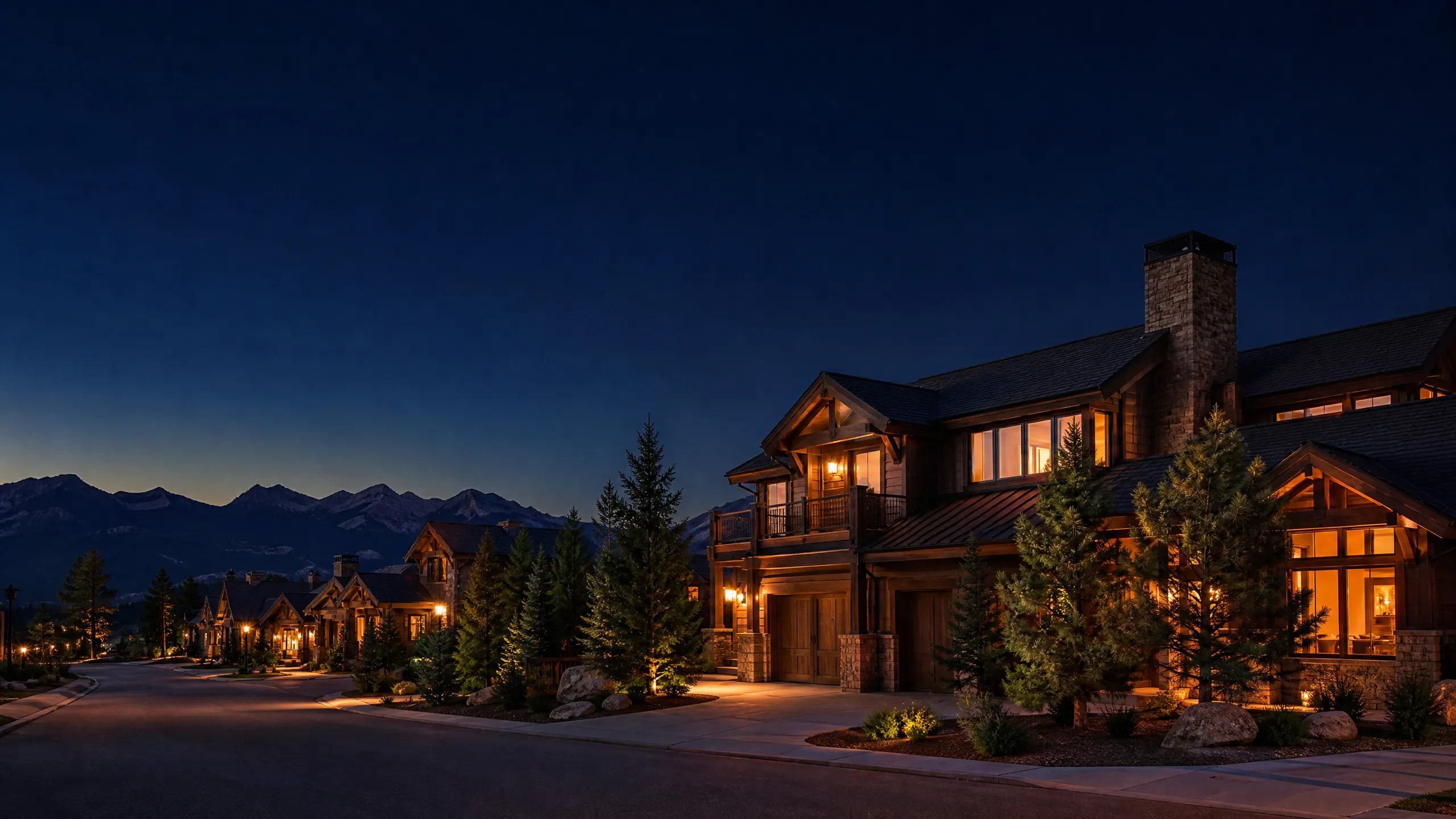
Illuminated timber-and-stone luxury homes along a residential street at dusk, with snow-capped mountains visible in the background.

AC Repair in Central, CO

Tell us about the job

Takes about a minute. No obligation.

RepairCentral ACGilpin County, CO
Step 1 of 2

What ZIP code is the job in?

Check the thermostat and the breaker first

Make sure the thermostat is set to cool and set below room temperature, and check that its batteries aren't dead. Then look at the breaker panel for one tied to the air conditioner that's tripped. Both take a minute to rule out before deciding anything bigger is wrong.


Look at the filter and the outdoor unit

Pull the air filter and hold it up to light. If you can't see light through it, that's choking off airflow, and that alone can make a system struggle or freeze up. Outside, check that the condenser isn't buried in leaves or debris and that air can move around it. A dirty filter or blocked unit is often the real cause, even when the symptom looks like something mechanical.

70°F
the average summer afternoon it cools against
71 wind events
in ten years, and wind drives debris into outdoor units
Isometric line illustration of a cutaway single-story house showing interior rooms, attic ductwork and an air handler, connected by a line to an outdoor condenser unit on a pad.
Your air conditioner works hardest from June through July.

NOAA nClimDiv, 1991–2020 normals

Summers here barely ask anything of an air conditioner, with afternoon highs averaging 70°F in June, July and August.

A system that never has to work hard tends to hold up, so most repairs here are worth making.

An AC that's had this easy a life is worth fixing

Summer afternoons average 70°F
71 damaging wind events from 2015 to 2024
Power costs 14.92 cents a kWh statewide

Half the homes in Gilpin County were built in 1984 or later. If yours is one of them, the system might be original or it might have been swapped out once, but either way you're not dealing with decades-old equipment stretched past what it should do. A newer system that's broken is usually a part that failed, not a machine giving out. Worth asking whoever looks at it whether it's something specific to your unit or a sign it's just worn down, since that tells you how to think about the next repair too.

It's usually worth repairing

It has an easier job here than in most places, so your air conditioner is often in decent shape. Repair is usually worth it.

Find a contractor
A man in a dark jacket, beanie, and tan pants seen from behind carrying a worn canvas duffel bag as he steps up porch stairs toward a red front door.
A gray metal air conditioning condenser unit mounted on a concrete pad in a flat grassy field under a partly cloudy sky.

Some problems don't stay small if you keep running it

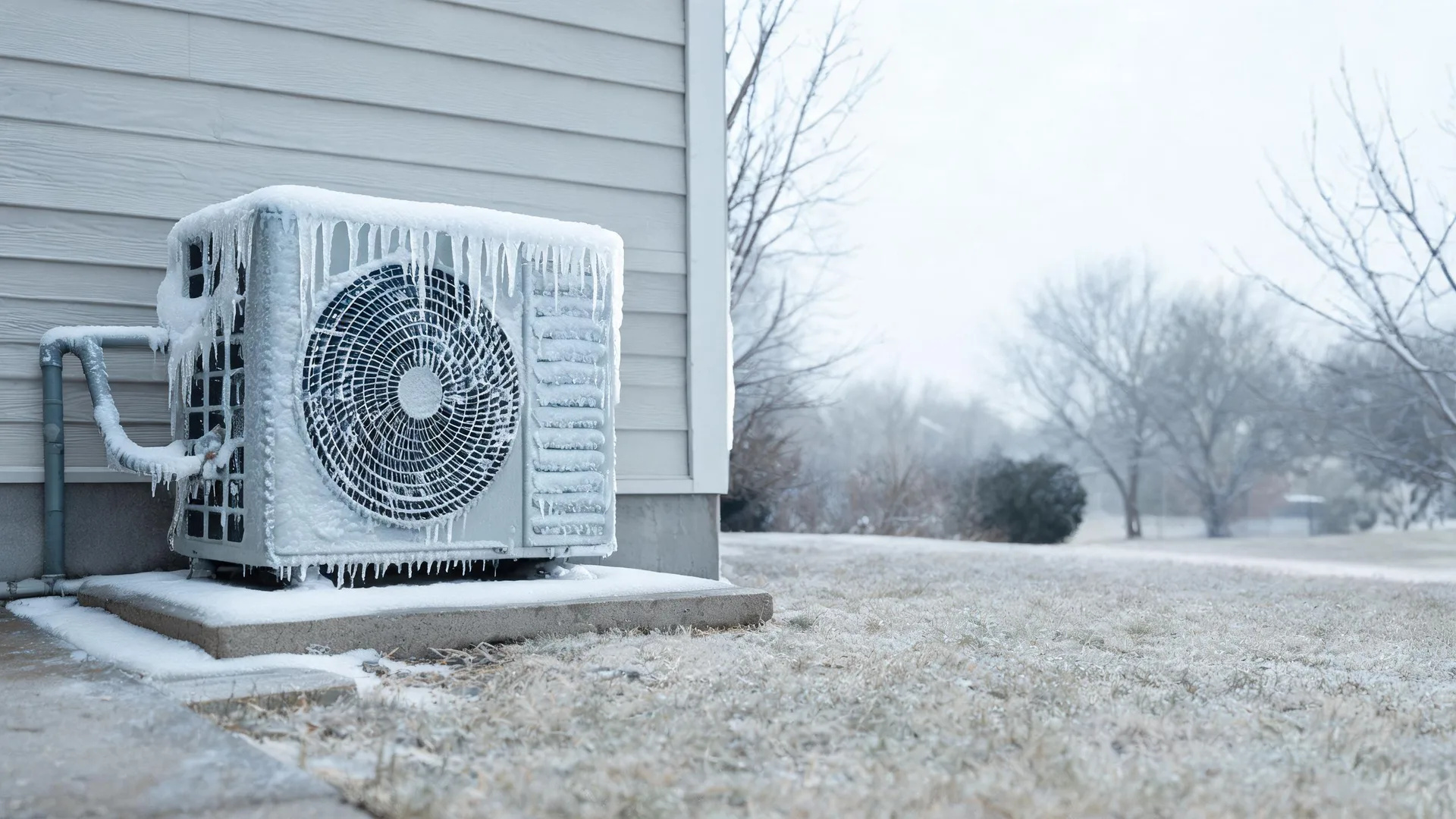
A refrigerant leak is the clearest example. Run the system low on charge and the evaporator coil gets too cold for the air passing over it. Moisture on the coil turns to ice instead of draining off. Once ice forms it blocks airflow, so more of the coil freezes, and the compressor keeps pulling in refrigerant that isn't cooling anything. Left running that way, the compressor takes on damage a quick repair would have prevented. A failing capacitor follows the same pattern. It gives the motors the jolt they need to start, and a weak one makes the compressor or fan motor strain on every cycle instead of starting clean. That strain shows up as heat, and heat is what burns out a motor that would have run fine for years otherwise. Even a clogged filter fits here. Restricted airflow drops the pressure on the low side of the system, which invites the same icing problem from a different direction. A system that's struggling needs to come off before the small problem turns into a bigger one.

What you'll notice first

Warm air from the vents, or air that barely moves, is usually the first thing anyone notices. Short cycling comes next, where the system kicks on and shuts off again before a room cools. A hissing or bubbling sound near the indoor unit points to refrigerant escaping. Water pooling near the furnace or air handler means the condensate line is clogged or the drain pan has rusted through.

What it sounds like when something's wrong

A healthy system runs quiet except for the hum of the compressor starting. A grinding or screeching noise usually means a motor bearing is going. A loud bang on startup can mean a worn part inside the compressor is shifting when it kicks on. Rattling that comes and goes with the fan speed often traces back to a loose blade or a failing mount, and it's worth having someone look before it gets worse.

Aerial view of a square outdoor air conditioning condenser unit on a concrete pad beside a house wall with a sliding glass door.

A new air conditioner would save little on running costs in Gilpin County, so the repair decision comes down to the unit's condition.

  • An older air conditioner$0 a year
  • A new one at the federal minimum, 13.4 SEER2$0 a year

Estimates for a typical Gilpin County home, compared with an older unit built to the previous federal minimum, from EIA household energy data, Colorado fuel prices and NOAA climate normals. Your home will differ.

Repair makes sense when a part like a capacitor or contactor has failed.

Replacement makes sense when the compressor has failed or the system uses R-22 refrigerant, which is no longer made.

A diagnostic visit starts with questions before any panel comes off. A tech asks what you've noticed, when it happens, and whether it's constant or only on certain days, because that narrows things down before a single tool comes out. Then they check static pressure, refrigerant charge, and the electrical readings on the capacitor and contactor, since a failing part usually shows up as a number that's off before it shows up as a sound. They'll pull the blower access panel and look at the coil for ice or dirt, and check the condensate line for a clog. Most of this is about ruling things out in order, starting with what's simple and working toward what isn't. By the end you should know exactly what failed and why, not just that something did.